PulseAugur
实时 20:33:58

TSMC, Intel, Samsung diverge on 1.4nm chip production roadmaps

TSMC, Intel, and Samsung are all producing chips using 2nm-class process technology, with Samsung and TSMC having started mass production in mid-to-late 2025. Their future roadmaps diverge significantly: TSMC prioritizes predictable scaling and specialization, Samsung focuses on yield improvement with iterative node variants, and Intel pursues an aggressive strategy with advanced technologies like gate-all-around transistors and backside power delivery, aiming for 1.4nm nodes by 2027-2028. AI

影响 Advanced chip manufacturing progress directly impacts the performance and availability of AI hardware, influencing future AI development and deployment.

排序理由 The article details the advanced semiconductor manufacturing roadmaps of major foundries, including their progress towards 1.4nm nodes, which is significant for the tech industry.

在 Tom's Hardware 阅读 →

AI 生成摘要 · Google Gemini · 来自 2 个来源。 我们如何撰写摘要 →
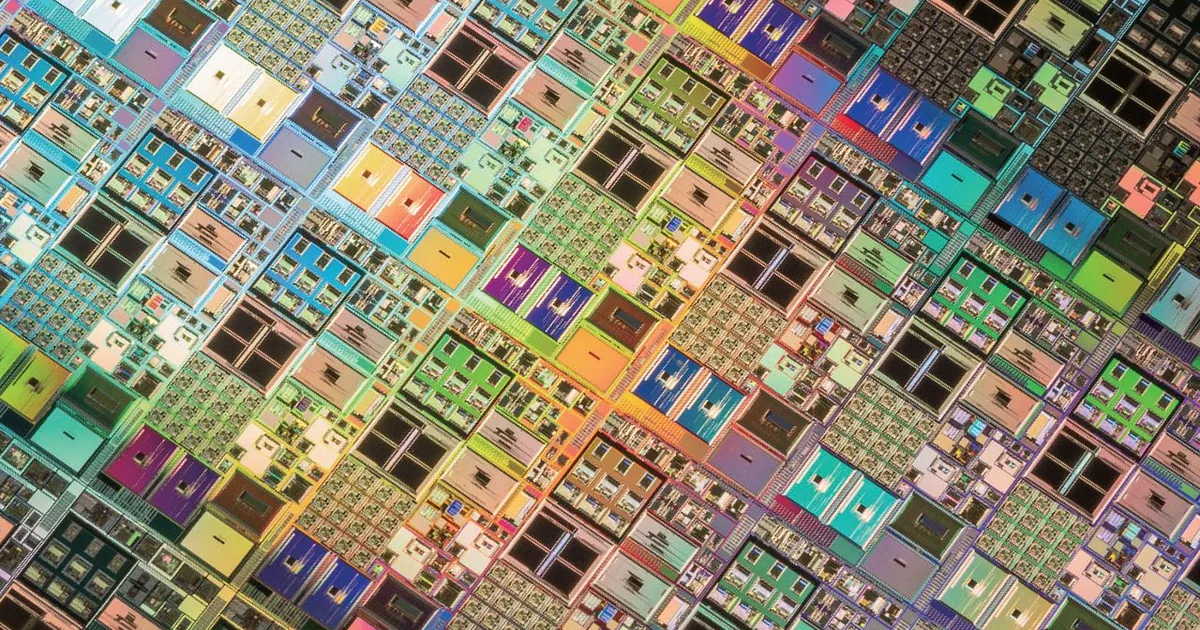
TSMC, Intel, Samsung diverge on 1.4nm chip production roadmaps

报道来源 [2]

  1. Tom's Hardware TIER_1 · Anton Shilov ·

    Leading-edge foundry roadmaps for TSMC, Intel and Samsung — outlining the path to 1.4nm nodes and beyond

    All three leading foundries have now entered the 2nm era, but their paths from now on diverge sharply: TSMC bets on predictability, Intel wagers on aggressive architectural shifts, and Samsung's primary focus is on improving yields.

  2. Mastodon — mastodon.social TIER_1 · [email protected] ·

    Leading-edge foundry roadmaps for TSMC, Intel and Samsung — outlining the path to 1.4nm nodes and beyond All three leading foundries have now entered the 2nm er

    Leading-edge foundry roadmaps for TSMC, Intel and Samsung — outlining the path to 1.4nm nodes and beyond All three leading foundries have now entered the 2nm era, but their paths from now on diverge sharply: TSMC bets on predictability, Intel wagers on aggressive architectural sh…