PulseAugur
中
实时 15:15:51
English(EN) AI galaxy hunters are adding to the global GPU crunch

天文学家利用 AI 和 GPU 分析海量太空望远镜数据

天文学家越来越多地依赖 GPU 来分析詹姆斯·韦伯太空望远镜和即将推出的南希·格蕾丝·罗马望远镜等新型太空望远镜产生的海量数据集。研究人员正在调整包括 Transformer 在内的 AI 模型,以识别天体并提高观测数据质量。尽管取得了这些进展,但由于全球需求旺盛以及研究资金可能被削减,科学家们在确保充足的 GPU 访问方面面临挑战。 AI

影响 通过分析前所未有的天文数据量来加速科学发现,同时凸显了基础设施和资金限制。

排序理由 文章讨论了科学研究中对 GPU 需求的增长,特别是在天文学领域,并触及了研究基础设施的资金挑战。

在 TechCrunch AI 阅读 →

AI 生成摘要 · Google Gemini · 来自 1 个来源。 我们如何撰写摘要 →
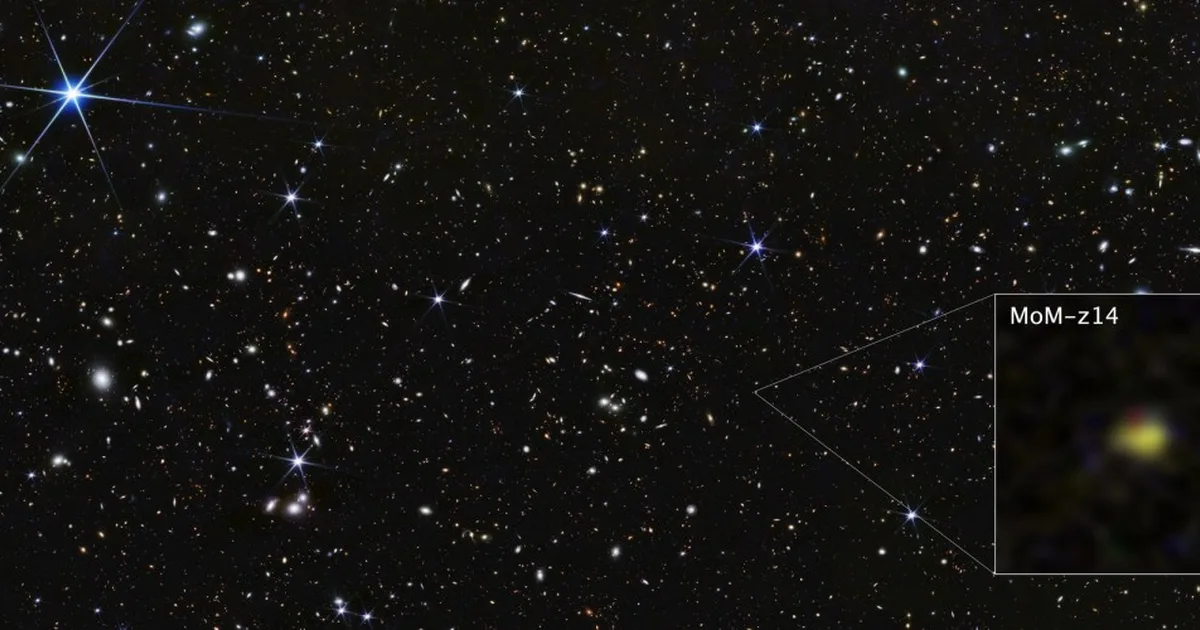
天文学家利用 AI 和 GPU 分析海量太空望远镜数据

本文如何被排名

Signal score
0 / 100
Composite score across the factors below. Higher = stronger signal that this story matters right now.
Newsworthiness bucket
Significant
文章讨论了科学研究中对 GPU 需求的增长,特别是在天文学领域,并触及了研究基础设施的资金挑战。
Source corroboration
Single-source cluster
Only one publisher covered this so far. Single-source stories can still rank when the publisher is high-authority, but they lack cross-source corroboration.
Topics
infra, product, funding
Editorial topic classification. Feeds into how the story surfaces on /topic/<slug> hub pages and into the per-entity coverage mix.
AI-industry relevance
High
Clearly on-topic for AI-industry coverage.
Story freshness
170 days old
Aged out of breaking-news scoring windows; ranking reflects the durable signal from the full source set.

完整方法见我们的编辑标准。

报道来源 [1]

  1. TechCrunch AI TIER_1 English(EN) · Tim Fernholz ·

    人工智能的“星际猎手”正在加剧全球GPU短缺

    Astronomers are turning to GPUs to find needles in the galactic haystack.