PulseAugur
中
实时 08:06:48
English(EN) AI and brain-computer interface allow speechless ALS patient to work a full-time job

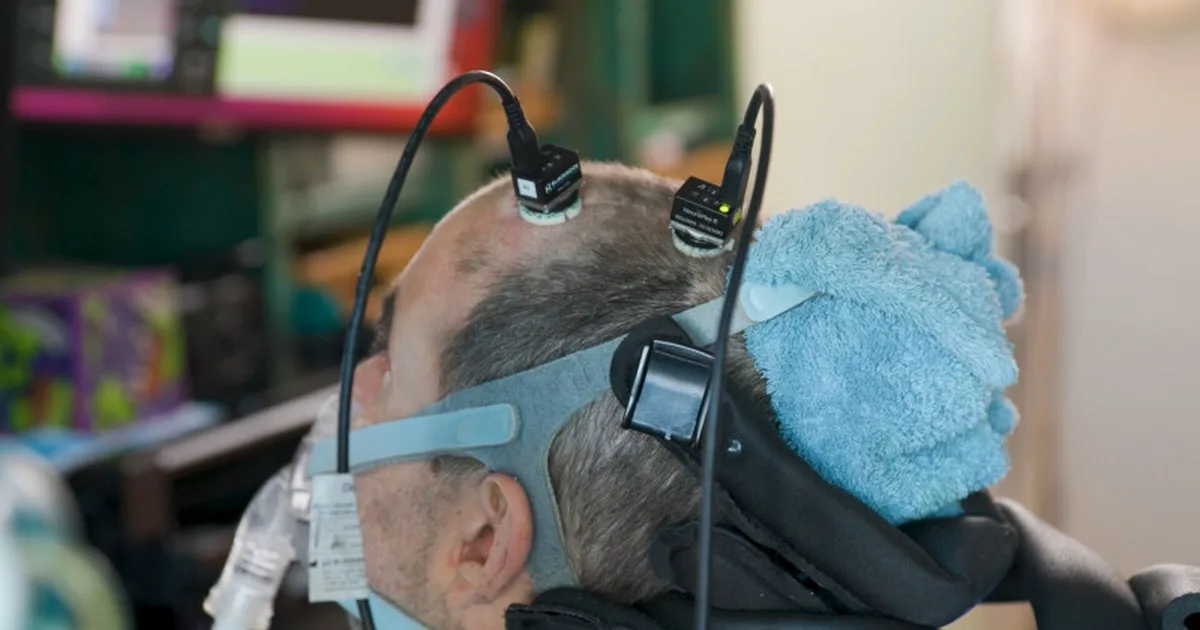
人工智能将脑信号转化为文字,帮助肌萎缩侧索硬化症患者全职工作

加州大学戴维斯分校的研究人员开发了一个机器学习系统,能够以92%的准确率将脑活动转化为文本。这一突破使一名肌萎缩侧索硬化症(ALS)患者能够有效地沟通并全职工作。该系统利用现有的脑机接口硬件结合先进的人工智能算法来解读神经信号。 AI

影响 使有严重沟通障碍的个体能够恢复生产力和独立性。

排序理由 该集群描述了人工智能和脑机接口技术的一项研究突破,实现了一个特定的用户案例。[lever_c_demoted from research: ic=1 ai=1.0]

在 The Register — AI 阅读 →

AI 生成摘要 · Google Gemini · 来自 1 个来源。 我们如何撰写摘要 →
人工智能将脑信号转化为文字,帮助肌萎缩侧索硬化症患者全职工作

本文如何被排名

Signal score
0 / 100
Composite score across the factors below. Higher = stronger signal that this story matters right now.
Newsworthiness bucket
Tool
该集群描述了人工智能和脑机接口技术的一项研究突破,实现了一个特定的用户案例。[lever_c_demoted from research: ic=1 ai=1.0]
Source corroboration
Single-source cluster
Only one publisher covered this so far. Single-source stories can still rank when the publisher is high-authority, but they lack cross-source corroboration.
Topics
product, other
Editorial topic classification. Feeds into how the story surfaces on /topic/<slug> hub pages and into the per-entity coverage mix.
AI-industry relevance
High
Clearly on-topic for AI-industry coverage.
Story freshness
113 days old
Aged out of breaking-news scoring windows; ranking reflects the durable signal from the full source set.

完整方法见我们的编辑标准。

报道来源 [1]

  1. The Register — AI TIER_1 English(EN) ·

    人工智能与脑机接口让无法说话的肌萎缩侧索硬化症患者得以全职工作

    The hardware isn't new, but a UC Davis research team's machine learning-powered method of translating brain activity in an ALS patient into sentences with 92% accuracy is