PulseAugur
实时 08:21:30
English(EN) I Asked an AI if Love and Hate Are Similar. It Said Yes.

AI应用发现“爱”与“恨”在数学上相似

一位AI爱好者通过构建一个本地应用程序,探索了文本嵌入如何捕捉含义。该应用程序通过Ollama使用nomic-embed-text模型将文本转换为数值向量,从而能够进行语义相似性比较。令人惊讶的是,该应用程序发现“爱”和“恨”等概念的相似度非常高,得分为0.80,这表明嵌入通过数学上的接近程度而非明确的定义来表示含义。 AI

影响 展示了AI嵌入如何量化语义相似性,可能有助于细致的信息检索和分析。

排序理由 该集群描述了一个使用现有AI模型和技术的个人项目,而不是新的模型发布或重大的行业事件。

在 Towards AI 阅读 →

AI 生成摘要 · Google Gemini · 来自 1 个来源。 我们如何撰写摘要 →
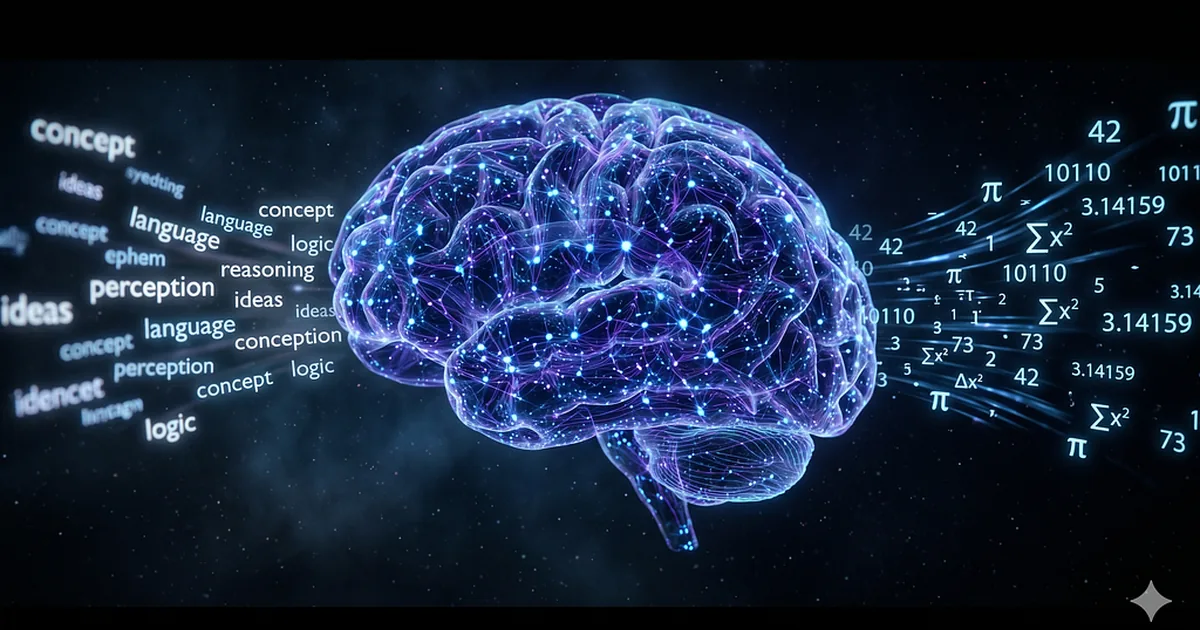
AI应用发现“爱”与“恨”在数学上相似

本文如何被排名

Signal score
0 / 100
Composite score across the factors below. Higher = stronger signal that this story matters right now.
Newsworthiness bucket
Tool
该集群描述了一个使用现有AI模型和技术的个人项目,而不是新的模型发布或重大的行业事件。
Source corroboration
Single-source cluster
Only one publisher covered this so far. Single-source stories can still rank when the publisher is high-authority, but they lack cross-source corroboration.
Topics
product, other
Editorial topic classification. Feeds into how the story surfaces on /topic/<slug> hub pages and into the per-entity coverage mix.
AI-industry relevance
High
Clearly on-topic for AI-industry coverage.
Story freshness
83 days old
Aged out of breaking-news scoring windows; ranking reflects the durable signal from the full source set.

完整方法见我们的编辑标准

报道来源 [1]

  1. Towards AI TIER_1 English(EN) · Priyanka Mali ·

    我问AI爱与恨是否相似。它说“是”。

    <h4><em>Day 10 — </em>Welcome to embeddings. Where meaning is just maths.</h4><p>In Day 9 I built a RAG app. Every chunk of text got converted into 768 numbers before being stored. I called them embeddings, explained they “capture meaning”, and moved on.</p><p>But I kept thinking…