PulseAugur
中
实时 21:00:05
English(EN) AI hallucinations are infiltrating expert work—and entering the permanent body of knowledge

AI幻觉将虚假引文插入科学论文

人工智能工具越来越多地在学术论文中插入虚构的参考文献,这种现象有损科学过程。一项对生物医学文献的研究发现,近3000篇论文中存在超过4000个虚假引文,自2024年以来此类错误的发生率急剧上升。这些AI生成的错误会损害循证医学指南和患者治疗,因为研究基础层面的错误会沿着整个知识链传播。 AI

影响 损害了科学文献的完整性以及医学等关键领域的循证决策。

排序理由 该集群报道了一项发表在科学期刊上的研究,详细介绍了AI对学术诚信影响的新发现。[lever_c_demoted from research: ic=1 ai=1.0]

在 Fortune 阅读 →

AI 生成摘要 · Google Gemini · 来自 1 个来源。 我们如何撰写摘要 →
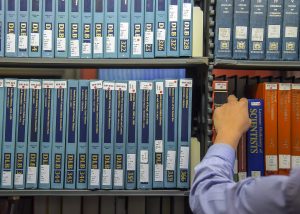
AI幻觉将虚假引文插入科学论文

本文如何被排名

Signal score
0 / 100
Composite score across the factors below. Higher = stronger signal that this story matters right now.
Newsworthiness bucket
Tool
该集群报道了一项发表在科学期刊上的研究,详细介绍了AI对学术诚信影响的新发现。[lever_c_demoted from research: ic=1 ai=1.0]
Source corroboration
Single-source cluster
Only one publisher covered this so far. Single-source stories can still rank when the publisher is high-authority, but they lack cross-source corroboration.
Topics
safety, product
Editorial topic classification. Feeds into how the story surfaces on /topic/<slug> hub pages and into the per-entity coverage mix.
AI-industry relevance
High
Clearly on-topic for AI-industry coverage.
Story freshness
137 days old
Aged out of breaking-news scoring windows; ranking reflects the durable signal from the full source set.

完整方法见我们的编辑标准。

报道来源 [1]

  1. Fortune TIER_1 English(EN) · Tristan Bove ·

    人工智能幻觉正在渗透专家工作——并进入永久知识体系

    Academic papers, popular books, and legal decisions are peppered with AI mistakes that are getting harder to clean up.