PulseAugur
实时 14:51:07
English(EN) What makes this interesting from an industrials angle is the supplier list that has emerged behind it: GE Vernova targeting roughly 24 GW per year of heavy-duty

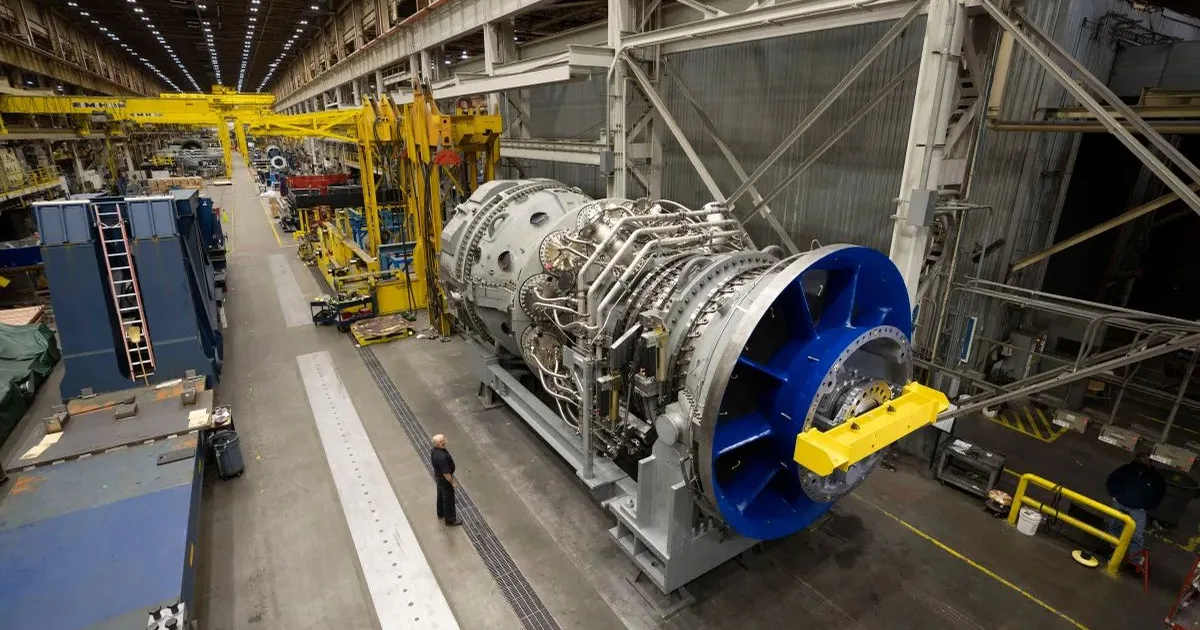
美国人工智能电力需求激增,推动现场发电解决方案

美国人工智能电力需求预计将从 2023 年的 3 GW 激增至 2026 年底的 28 GW,这将使现有电网基础设施不堪重负。为满足这一需求,人工智能实验室正越来越多地将现场燃气发电作为主要电力解决方案,而不是临时措施。这一转变涉及重大的供应链动员,GE Vernova 等公司正致力于实现可观的年度重型电力发电能力。 AI

影响 人工智能的指数级增长正在给美国电网带来压力,迫使人们向现场发电模式进行重大转变,并影响能源基础设施和供应链。

排序理由 该集群讨论了由人工智能快速增长的能源需求驱动的基础设施和供应链战略的重大转变,影响了多家大公司和国家电网。

在 X — SemiAnalysis 阅读 →

AI 生成摘要 · Google Gemini · 来自 4 个来源。 我们如何撰写摘要 →
美国人工智能电力需求激增,推动现场发电解决方案

报道来源 [4]

  1. X — SemiAnalysis TIER_1 English(EN) · SemiAnalysis_ ·

    我们工作中反复提及的一点是,这并非通往电网的临时桥梁,而是这些校园实际的发电堆栈

    The part we keep coming back to in our work is that this is not a temporary bridge to the grid, its the actual generation stack for several of these campuses for years. The implication for power markets, gas takeaway capacity, and equipment leasing in the Permian and Haynesville

  2. X — SemiAnalysis TIER_1 English(EN) · SemiAnalysis_ ·

    从工业角度来看,其背后的供应商名单很有意思:GE Vernova 的目标是每年生产约 24 GW 的重型设备

    What makes this interesting from an industrials angle is the supplier list that has emerged behind it: GE Vernova targeting roughly 24 GW per year of heavy-duty gas turbines, Siemens Energy moving from 20 to about 30 GW per year by the end of the decade, Wärtsilä shipping 800 MW …

  3. X — SemiAnalysis TIER_1 English(EN) · SemiAnalysis_ ·

    问题基本在于,美国人工智能电力需求已从2023年的约3吉瓦增至到2026年底约28吉瓦的水平,而电网根本无法满足

    The basic shape of the problem is that US AI power demand has run from roughly 3 GW in 2023 to a path of about 28 GW by the end of 2026, and the grid simply cant keep up with that kind of step function — interconnect queues in PJM and parts of MISO were never designed to absorb h…

  4. X — SemiAnalysis TIER_1 English(EN) · SemiAnalysis_ ·

    在我们最近关于人工智能实验室如何解决能源危机的一篇文章中,我们一直关注的一个线索是,现场燃气已不再是边缘选择,并且

    One of the threads we kept pulling on in our recent piece on how AI labs are solving the power crisis is that onsite gas has stopped being a fringe option, and quietly turned into the default planning assumption for the next wave of US training clusters. (1/4) 🧵 https://t.co/Vf0z…