PulseAugur
实时 10:30:37
English(EN) The Breaking Points: Cooling Struggles to Keep Pace With AI Power Density

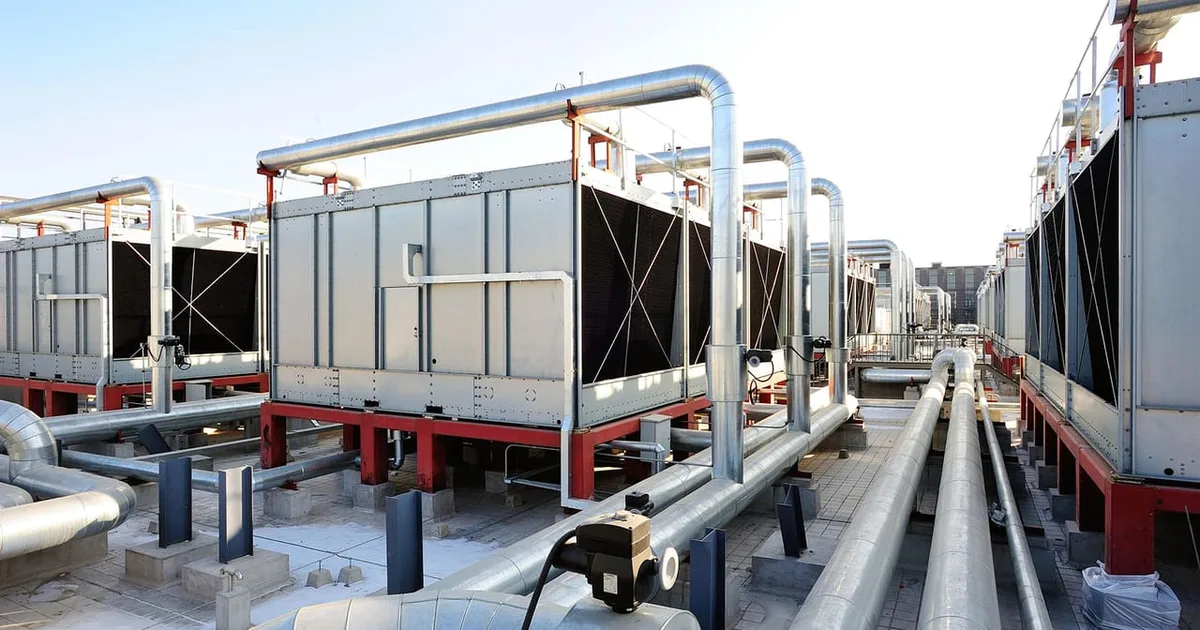
AI数据中心面临散热危机,功率密度超出基础设施承载能力

AI工作负载不断增长的功率需求正将数据中心冷却系统推向极限,使热管理从一个设计考量转变为一个关键的部署挑战。随着机架功率密度从几十千瓦激增至数百千瓦,传统的空气冷却方法已变得不足,迫使迅速转向液体冷却解决方案。这一转变带来了重大的集成障碍,需要一种整体系统设计方法,将IT基础设施与设施管理紧密结合,以确保在快速增长的散热面前的性能、效率和可靠性。 AI

影响 数据中心冷却正成为AI基础设施扩展的主要制约因素,迫使在设施设计和部署策略上进行重大变革。

排序理由 文章讨论了支持AI工作负载扩展所需的数据中心冷却的关键基础设施挑战和行业转变。

在 Data Center Knowledge 阅读 →

AI 生成摘要 · Google Gemini · 来自 3 个来源。 我们如何撰写摘要 →
AI数据中心面临散热危机,功率密度超出基础设施承载能力

报道来源 [3]

  1. arXiv cs.LG TIER_1 English(EN) · Mohammad AlShaikh Saleh, Sanjay Chawla, Sertac Bayhan, Haitham Abu-Rub, Ali Ghrayeb ·

    面向AI数据中心短期GPU功耗预测的物理感知框架

    arXiv:2605.04074v1 Announce Type: new Abstract: AI data centers experience rapid fluctuations in power demand due to the heterogeneity of computational tasks that they have to support. For example, the power profile of inference and training of large language models (LLMs) is qui…

  2. Data Center Knowledge TIER_1 English(EN) · Shane Snider ·

    关键的临界点:散热难以跟上AI功率密度

    As AI workloads scale, cooling is evolving from a design consideration to a deployment challenge, forcing operators to adapt to rapidly rising power densities.

  3. Data Center Knowledge TIER_1 English(EN) · Shane Snider ·

    人工智能将散热推至数据中心设计挑战的前沿

    As AI drives extreme power density, operators are shifting to hybrid cooling, modular builds, and tighter system integration to maintain performance, efficiency, and reliability.