PulseAugur
中
实时 17:38:07
English(EN) Teaching Gemini to spot exploding stars with just a few examples

Gemini模型使用少样本学习以93%的准确率对爆炸的恒星进行分类

谷歌的Gemini模型已通过少样本学习方法改编,能够以高准确率对超新星等天文事件进行分类。通过仅向Gemini提供15个带注释的示例和简洁的说明,研究人员在三个天文调查中实现了93%的准确率,这与需要海量数据集的专业模型性能相当。至关重要的是,Gemini还能为其分类提供通俗易懂的解释,并分配一个兴趣分数,极大地帮助天文学家筛选现代望远镜产生的海量数据。 AI

影响 通过在仅需少量训练数据的情况下实现复杂数据分析,增强了AI在科学研究中的效用,可能加速科学发现。

排序理由 发表了一篇详细介绍大型语言模型新应用和新方法的 ist 研究论文。[lever_c_demoted from research: ic=1 ai=1.0]

在 Google AI / Research 阅读 →

AI 生成摘要 · Google Gemini · 来自 1 个来源。 我们如何撰写摘要 →
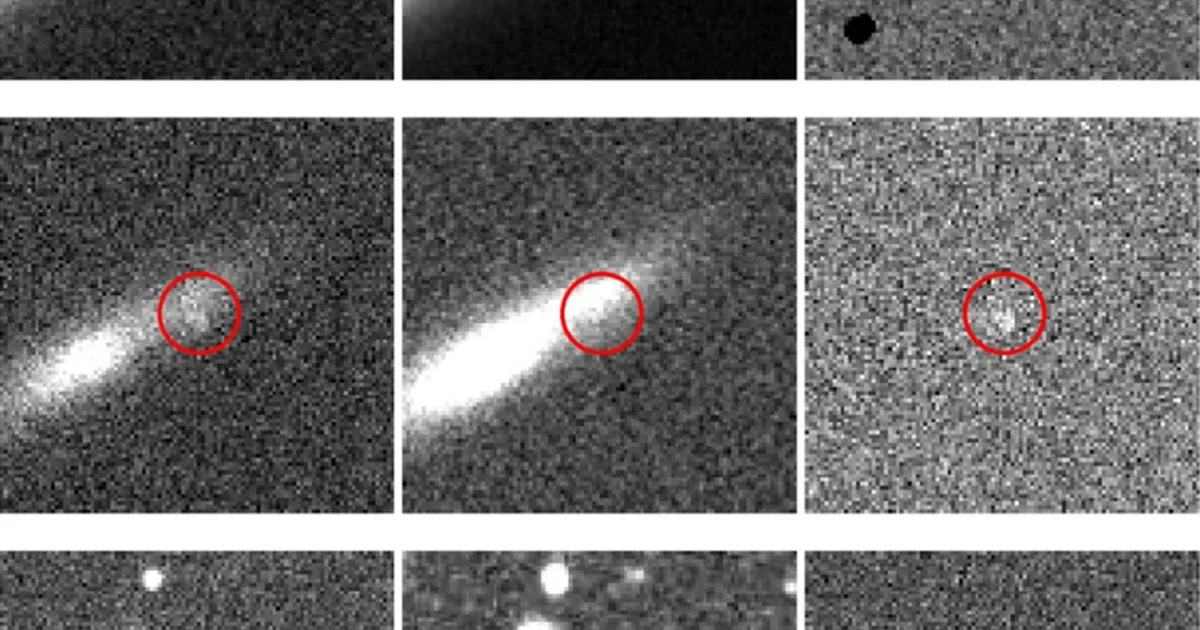
Gemini模型使用少样本学习以93%的准确率对爆炸的恒星进行分类

本文如何被排名

Signal score
0 / 100
Composite score across the factors below. Higher = stronger signal that this story matters right now.
Newsworthiness bucket
Tool
发表了一篇详细介绍大型语言模型新应用和新方法的 ist 研究论文。[lever_c_demoted from research: ic=1 ai=1.0]
Source corroboration
Single-source cluster
Only one publisher covered this so far. Single-source stories can still rank when the publisher is high-authority, but they lack cross-source corroboration.
Topics
model release, product, paper
Editorial topic classification. Feeds into how the story surfaces on /topic/<slug> hub pages and into the per-entity coverage mix.
AI-industry relevance
High
Clearly on-topic for AI-industry coverage.
Story freshness
353 days old
Aged out of breaking-news scoring windows; ranking reflects the durable signal from the full source set.

完整方法见我们的编辑标准。

报道来源 [1]

  1. Google AI / Research TIER_1 English(EN) ·

    教会Gemini仅用几个例子就能识别爆炸的恒星

    General Science