PulseAugur
中
实时 12:42:23
English(EN) Four ways Google Research scientists have been using Empirical Research Assistance

谷歌研究利用AI工具加速科学发现

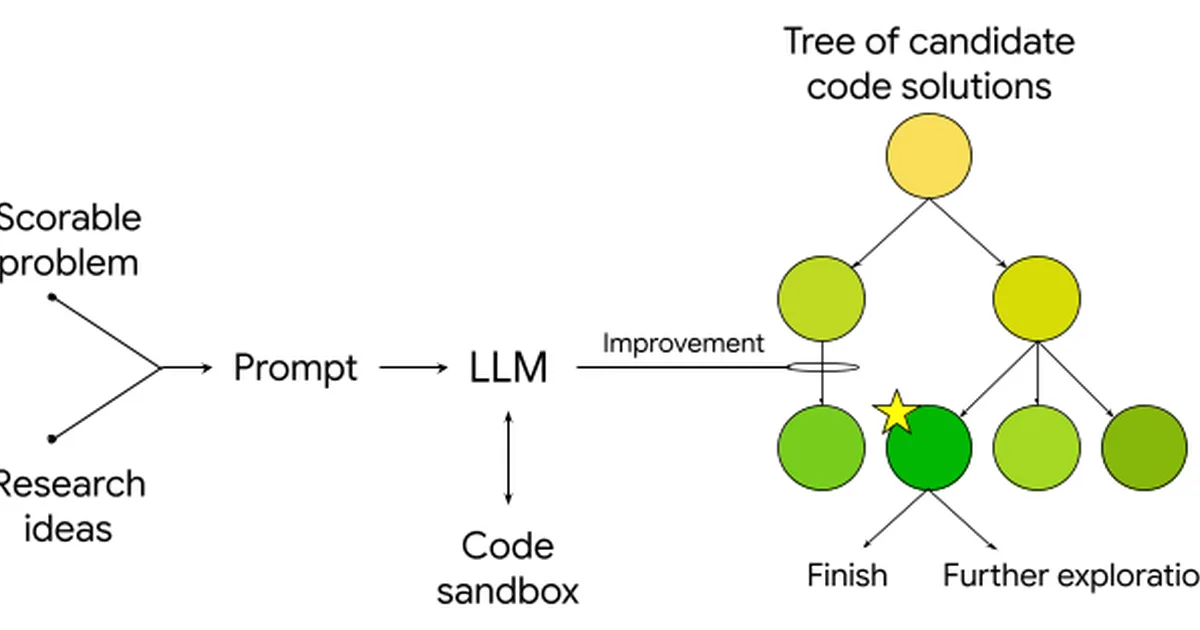
谷歌研究人员正在利用一款名为经验研究助手(Empirical Research Assistance, ERA)的AI工具来加速各个领域的科学发现。ERA已被用于生成专家级的经验软件,应用于流行病学、宇宙学、大气监测和神经科学等领域。在流行病学方面,ERA在预测COVID-19、流感和RSV住院人数方面,已显示出与现有工具相当或更优的表现,并已提交给公开排行榜,取得了优异的成绩。该工具还在探索其潜力,以从数据中解锁更深层次的见解,并发现可解释的、机制准确的解决方案。 AI

影响 通过自动化复杂的软件生成和数据分析,加速科学发现,可能带来更快的突破。

排序理由 文章详细介绍了AI工具在科学研究中的应用,并提到了其在解决复杂问题方面的应用,符合研究类别。 [lever_c_demoted from research: ic=1 ai=1.0]

在 Google AI / Research 阅读 →

AI 生成摘要 · Google Gemini · 来自 1 个来源。 我们如何撰写摘要 →
谷歌研究利用AI工具加速科学发现

本文如何被排名

Signal score
0 / 100
Composite score across the factors below. Higher = stronger signal that this story matters right now.
Newsworthiness bucket
Tool
文章详细介绍了AI工具在科学研究中的应用,并提到了其在解决复杂问题方面的应用,符合研究类别。 [lever_c_demoted from research: ic=1 ai=1.0]
Source corroboration
Single-source cluster
Only one publisher covered this so far. Single-source stories can still rank when the publisher is high-authority, but they lack cross-source corroboration.
Topics
product, other
Editorial topic classification. Feeds into how the story surfaces on /topic/<slug> hub pages and into the per-entity coverage mix.
AI-industry relevance
High
Clearly on-topic for AI-industry coverage.
Story freshness
161 days old
Aged out of breaking-news scoring windows; ranking reflects the durable signal from the full source set.

完整方法见我们的编辑标准。

报道来源 [1]

  1. Google AI / Research TIER_1 English(EN) ·

    谷歌研究科学家们使用经验研究辅助的四种方式

    Data Mining & Modeling