PulseAugur / Brief
EN
LIVE 01:33:08

Brief

last 24h
[8/8] 221 sources

Multi-source AI news clustered, deduplicated, and scored 0–100 across authority, cluster strength, headline signal, and time decay.

  1. Samsung labor negotiations break down, ADATA chairman says DRAM, NAND may see price surge again

    Samsung Electronics' labor negotiations have failed, leading to a potential strike starting tomorrow. The chairman of ADATA, Chen Libai, warned that a prolonged strike could disrupt global DRAM and NAND Flash supply, potentially driving up prices. He noted that major memory manufacturers have already booked most of their capacity through 2026, with clients negotiating contracts for 2027 and beyond. AI

    IMPACT Potential price increases for memory components used in AI hardware could impact the cost of AI infrastructure.
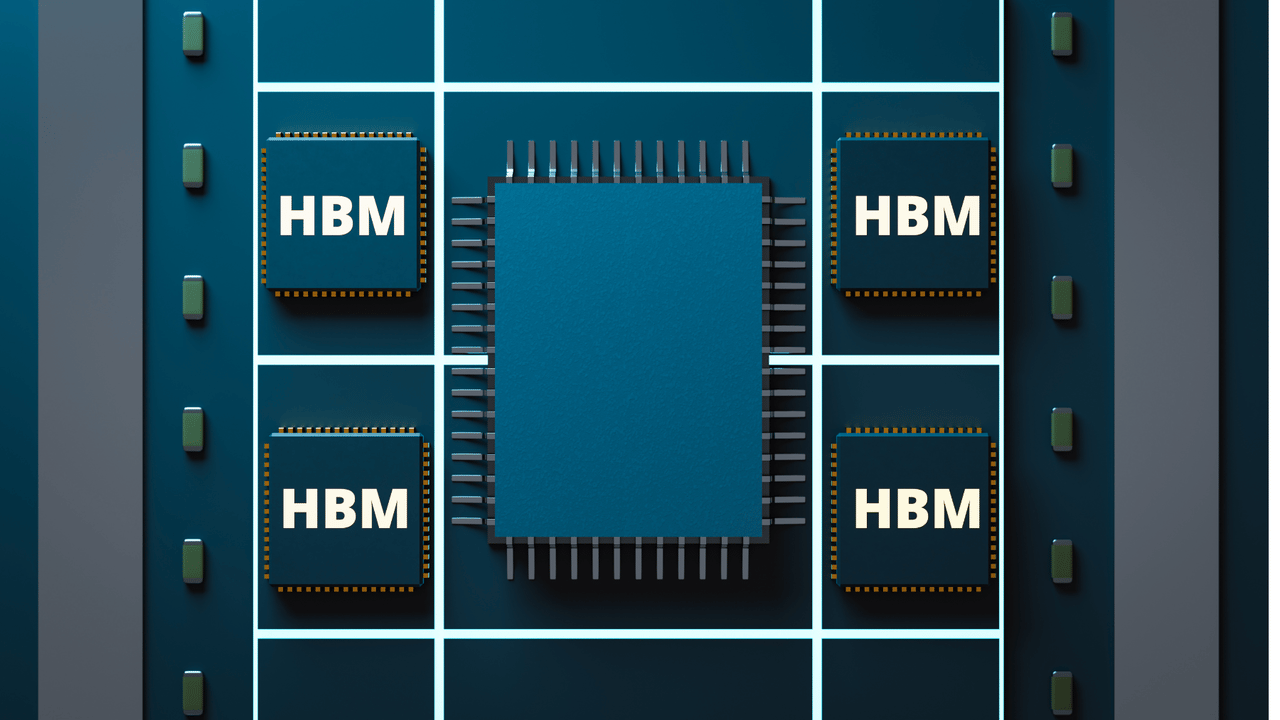
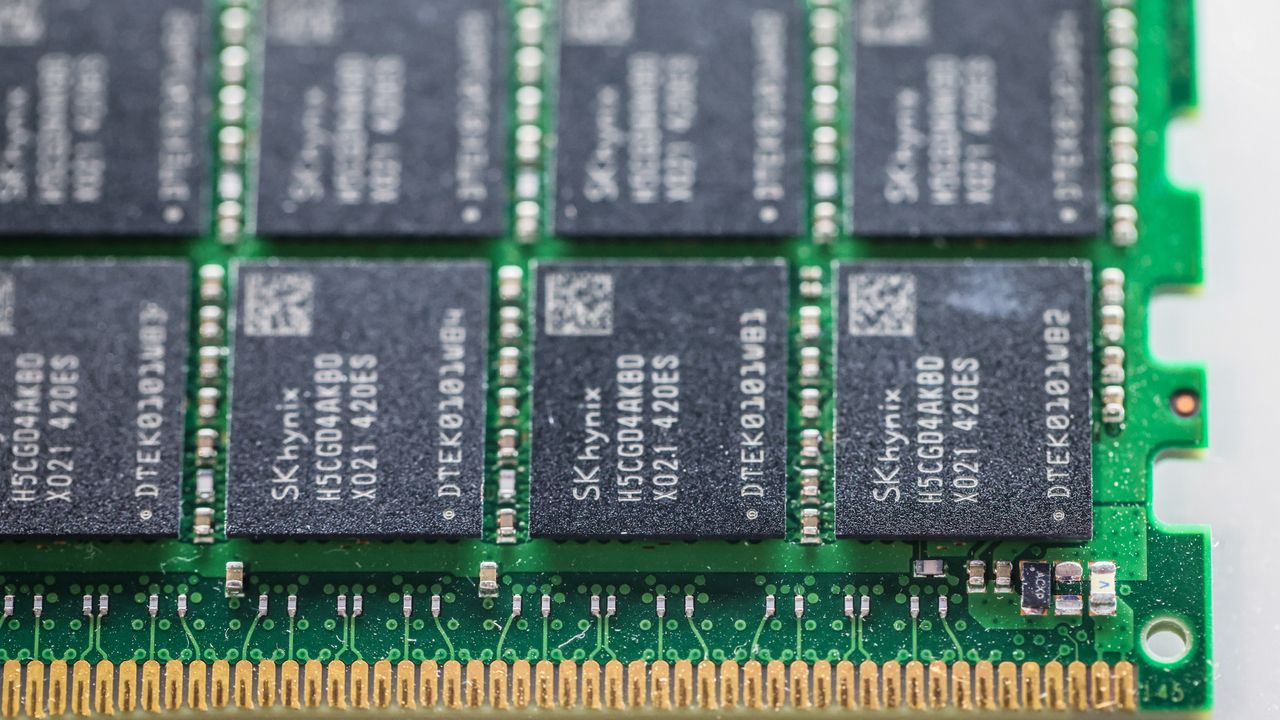
  2. Scaling the Memory Wall: HBM, CXL, and the New GPU Playbook

    The AI industry is grappling with a significant 'memory wall' bottleneck, where GPU processing power outstrips memory bandwidth and capacity. This challenge is exacerbated by the increasing demands of training large generative AI models and the growing need for edge inference and agentic AI. Solutions like High Bandwidth Memory (HBM), Compute Express Link (CXL), and specialized on-processor SRAM meshes are being developed to address these limitations, though they introduce new challenges in supply, cost, and thermal management. AI

    Scaling the Memory Wall: HBM, CXL, and the New GPU Playbook

    IMPACT Addresses critical memory bottlenecks in AI infrastructure, impacting the cost and efficiency of training and inference.

  3. Record-high pricing pushes SSD and memory makers to borrow $880 million just to afford buying chips — Adata, TeamGroup, and others take on substantial debt to survive shortages

    Several Taiwanese memory and SSD manufacturers are collectively raising approximately $880 million through various debt instruments to secure chip inventory. Despite record revenues, companies like Adata and TeamGroup are taking on substantial loans and issuing convertible bonds due to soaring DRAM and NAND flash contract prices. This move reflects the increasing cost of maintaining adequate stock as memory manufacturers prioritize high-margin server DRAM and HBM production, with new capacity not expected until late 2027. AI

    Record-high pricing pushes SSD and memory makers to borrow $880 million just to afford buying chips — Adata, TeamGroup, and others take on substantial debt to survive shortages

    IMPACT Accelerates demand for high-margin AI-related memory components like HBM, potentially increasing costs for AI infrastructure.

  4. Laser-driven spintronic memory device switches 1,000 times faster than DRAM —non-volatile device switches in 40 picoseconds while generating almost no heat

    Researchers at the University of Tokyo have developed a novel spintronic memory device that utilizes lasers to switch bits in an astonishing 40 picoseconds. This non-volatile memory technology, based on Mn₃Sn, operates with minimal heat generation and is over 1,000 times faster than current DRAM. The innovation holds potential for creating more efficient AI hardware and advanced memory systems. AI

    Laser-driven spintronic memory device switches 1,000 times faster than DRAM —non-volatile device switches in 40 picoseconds while generating almost no heat

    IMPACT This breakthrough in memory speed and efficiency could significantly enhance AI hardware capabilities.

  5. 768GB of cheap Intel Optane DIMM memory sticks used to run 1-trillion-parameter LLM on a system with a single GPU — local Kimi K2.5 install achieved roughly 4 tokens per second

    A Redditor has successfully run a 1-trillion-parameter LLM, specifically Kimi K2.5, locally on a single GPU workstation by utilizing 768GB of second-hand Intel Optane Persistent Memory modules as RAM. This setup achieved approximately 4 tokens per second, a performance deemed impressive given the hardware's budget constraints. The use of discontinued Optane DIMMs highlights a potential market gap for affordable, high-capacity memory solutions for large language model inference, especially as DRAM prices fluctuate. AI

    768GB of cheap Intel Optane DIMM memory sticks used to run 1-trillion-parameter LLM on a system with a single GPU — local Kimi K2.5 install achieved roughly 4 tokens per second

    IMPACT Demonstrates a cost-effective method for running large LLMs locally, potentially influencing future hardware configurations for AI inference.

  6. Team Group agrees to $1.1 million DRAM settlement in another false advertising lawsuit — claimed advertised memory speeds required BIOS tweaks and overclocking settings

    Team Group has agreed to a $1.1 million settlement to resolve a class-action lawsuit alleging false advertising of DRAM speeds. The lawsuit claimed that the advertised speeds for Team Group's DDR3, DDR4, and DDR5 memory products could only be achieved by enabling XMP or EXPO profiles through BIOS tweaks, rather than out of the box. While Team Group denies wrongdoing, the settlement allows eligible consumers who purchased these products in the U.S. between May 2020 and April 2026 to file a claim for compensation. This case is similar to a recent $2.4 million settlement involving G.Skill for comparable allegations. AI

    Team Group agrees to $1.1 million DRAM settlement in another false advertising lawsuit — claimed advertised memory speeds required BIOS tweaks and overclocking settings

    IMPACT This settlement highlights issues in how memory performance is advertised, which can indirectly affect the perceived performance of AI hardware and systems.

  7. Samsung union’s strike threat fuels fears of South Korea’s economic slowdown

    Samsung's largest labor union has suspended a planned strike after reaching a tentative agreement on bonuses, narrowly averting disruption to memory chip production. The deal, brokered with government mediation, reportedly includes abolishing bonus caps and allocating 10.5% of annual operating profits to employees, with significant portions for the memory division. This agreement comes amid record profits driven by the AI boom, leading to substantial average bonus payouts of around $340,000 per chip employee, and has drawn comparisons to rival SK Hynix's profit-sharing model. AI

    Samsung union’s strike threat fuels fears of South Korea’s economic slowdown

    IMPACT Averts potential disruption in AI chip supply and highlights significant profit-sharing for workers amid the AI boom.

  8. https://www. europesays.com/2960766/ Agentic AI Pushes CPUs to Pack 400 GB of Memory, 4x More Than Today, as DRAM Shortage Spirals Toward 2027 # AgenticAI # Age

    Agentic AI is driving demand for significantly larger memory capacities in CPUs, with projections indicating a need for 400 GB of memory per CPU, a fourfold increase over current standards. This surge in demand is occurring amidst a projected DRAM shortage expected to intensify by 2027. Wayfair's CTO has highlighted the potential of agentic AI in enhancing product discovery and optimizing retail store operations. AI

    https://www. europesays.com/2960766/ Agentic AI Pushes CPUs to Pack 400 GB of Memory, 4x More Than Today, as DRAM Shortage Spirals Toward 2027 # AgenticAI # Age

    IMPACT Agentic AI's increasing memory demands may strain hardware supply chains and necessitate new infrastructure investments.