PulseAugur / Brief
EN
LIVE 22:05:14

Brief

last 24h
[17/17] 222 sources

Multi-source AI news clustered, deduplicated, and scored 0–100 across authority, cluster strength, headline signal, and time decay.

  1. First quarter South Korea's top five enterprises' export share reached 44%

    South Korea's top five companies, including Samsung Electronics and SK Hynix, saw their exports account for approximately 44% of the nation's total exports in the first quarter. This surge is largely attributed to the booming demand for storage chips driven by the artificial intelligence trend. Separately, researchers have developed an AI chatbot using "cognitive inoculation" to combat health misinformation. AI

    IMPACT The AI boom is significantly boosting demand for storage chips, impacting national export figures and driving new research in AI safety and misinformation.

  2. Nanya Technology: Production capacity will increase by 80% to 100% in 2-3 years compared to the present

    Nanya Technology, a memory chip manufacturer, is set to significantly increase its production capacity over the next two to three years, aiming for an 80% to 100% boost. This expansion includes validating 16Gb DDR5 products, advancing LPDDR5 production, and developing new manufacturing processes. The company plans substantial capital expenditure, with new facilities expected to contribute to output starting next year. AI

    IMPACT Increased memory chip production capacity is crucial for supporting the growing demands of AI hardware and infrastructure.

  3. South Korea's KOSPI Index Rises Over 8% Intra-day

    Arlaid has announced a partnership with Huagong Zhengyuan, a subsidiary of Huagong Technology, focusing on optical modules. The collaboration has already resulted in bulk supply. This news comes alongside broader market movements, including a significant rise in the Korean KOSPI index and specific stock gains for SK Hynix and Samsung Electronics. AI

    IMPACT Partnership in optical modules may indirectly support AI infrastructure development.

  4. National Disaster Reduction Committee Launches National Level IV Emergency Response for Disaster Relief in Chongqing

    China's National Disaster Reduction Committee has initiated a Level IV emergency response for Chongqing due to severe flooding and geological disasters. This response includes deploying a working group to assess the situation and assist local authorities in supporting affected populations. Separately, global demand for storage chips has surged, driven by the AI boom, with five major companies accounting for approximately 44% of South Korea's total exports in the first quarter. AI

    IMPACT AI-driven demand for storage chips is impacting global supply chains and export markets.

  5. https://www.wacoca.com/life/399457/Korean Personal Money Shifts from Safe Assets to Semiconductor Stocks, Concentrating on Samsung Electronics and SK Hynix #ai #Hoken #Insurance #KOSPI #RSI #SamsungElectronics #SKHynix

    South Korean individual investors are shifting their capital from safe-haven assets into semiconductor stocks, with a particular focus on Samsung Electronics and SK Hynix. This trend indicates a growing confidence in the technology sector's potential for returns, moving away from more traditional, lower-risk investments. AI

    https://www.wacoca.com/life/399457/Korean Personal Money Shifts from Safe Assets to Semiconductor Stocks, Concentrating on Samsung Electronics and SK Hynix #ai #Hoken #Insurance #KOSPI #RSI #SamsungElectronics #SKHynix

    IMPACT Indicates growing investor confidence in AI-driven semiconductor demand.

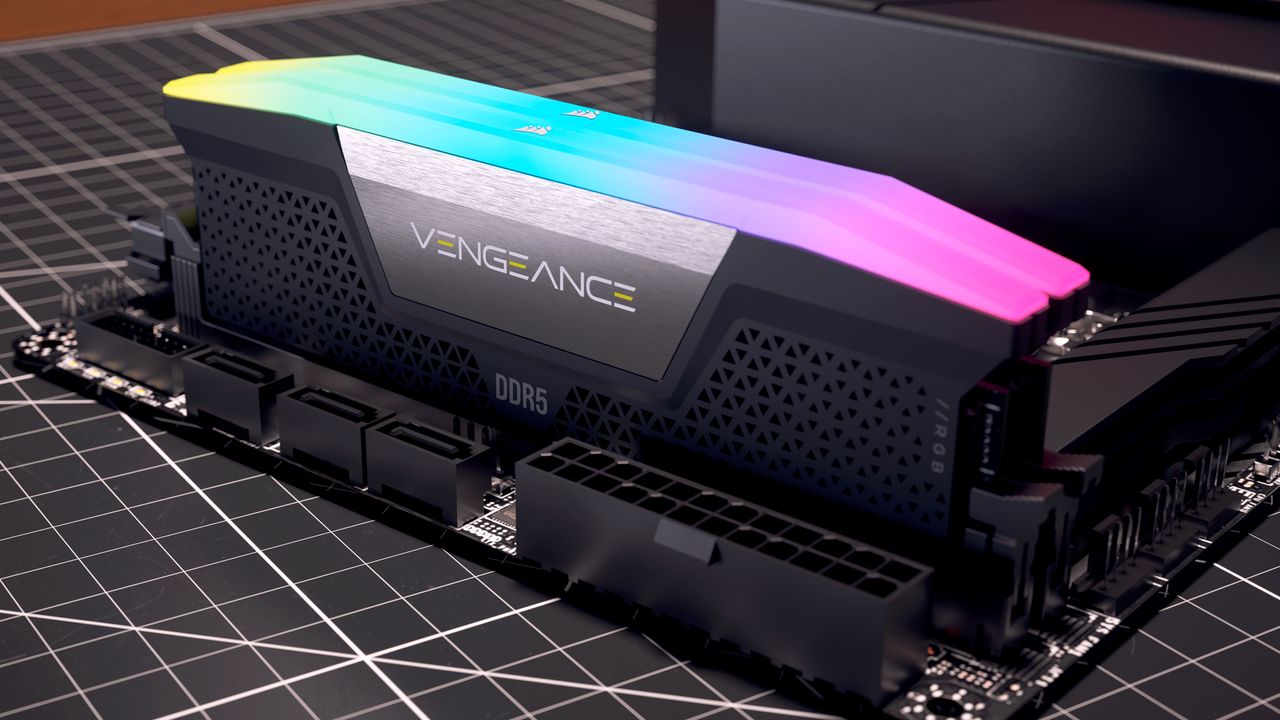
  6. Chinese memory maker CXMT enters the mainstream consumer memory with Corsair Vengeance DDR5 kit — Chinese-made DRAM emerges as an antidote for crushing shortages

    Chinese memory manufacturer CXMT has entered the mainstream consumer market by supplying DDR5 RAM modules for a Corsair Vengeance kit. This move is significant as major memory suppliers like Micron, Samsung, and SK Hynix are prioritizing data center demand, creating shortages for consumers. While the initial Corsair kit featuring CXMT DRAM is exclusive to China, it signals a potential shift in the memory supply chain and could offer an alternative for consumers facing high prices and limited availability. AI

    Chinese memory maker CXMT enters the mainstream consumer memory with Corsair Vengeance DDR5 kit — Chinese-made DRAM emerges as an antidote for crushing shortages

    IMPACT Potentially alleviates consumer RAM shortages driven by data center demand, impacting PC build costs.

  7. South Korean stock market to launch individual stock leveraged ETFs, potentially popular with retail investors

    The Korean stock market is set to introduce individual stock leveraged ETFs this week, which aim to double the daily price fluctuations of specific stocks like Samsung Electronics and SK Hynix. Analysts anticipate strong demand from over 14 million retail investors in Korea, potentially exacerbating market volatility. Separately, the Hong Kong-Zhuhai-Macao Bridge has seen over 10 million crossings by Hong Kong and Macao single-license plate vehicles since the implementation of favorable policies, indicating increased cross-border movement and integration. AI

    IMPACT Minimal direct impact on AI operators; primarily a financial market development.

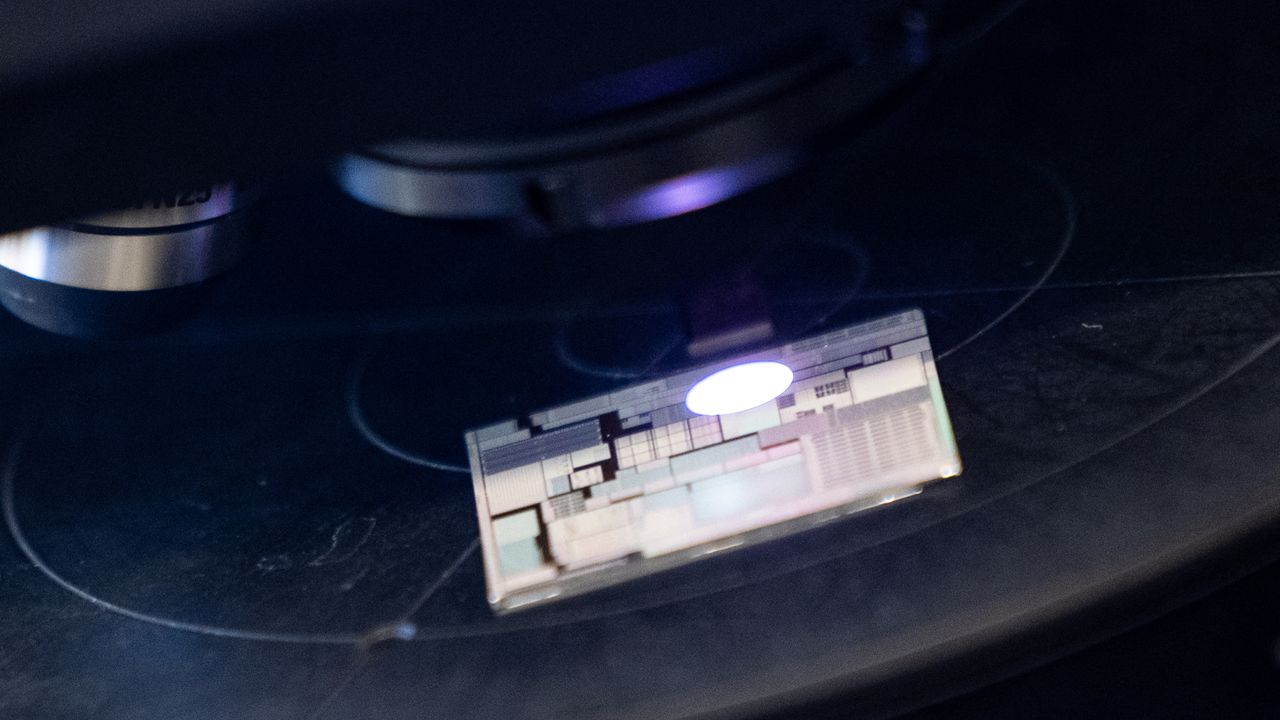
  8. AI is starting to out-design chip engineers in narrow areas as LLMs accelerate software chip design tool development — "There is still a lot of human guidance" says Berkley researcher

    Artificial intelligence is beginning to outperform human chip engineers in specific, well-defined areas of chip design. Large language models are accelerating the development of software tools used in this process, leading to significant productivity gains and power reductions for some companies. Researchers are exploring AI's potential not only for optimizing existing designs but also for discovering entirely new approaches, though human guidance remains crucial for high-level strategy and novel idea generation. AI

    AI is starting to out-design chip engineers in narrow areas as LLMs accelerate software chip design tool development — "There is still a lot of human guidance" says Berkley researcher

    IMPACT AI is enhancing chip design efficiency and potentially enabling novel architectures, though human oversight remains critical.

  9. Huawei Produces 122TB SSD Using Proprietary Chip Packaging Technology

    Huawei has developed a new 122TB SSD for data centers and AI inference, circumventing US sanctions on advanced 3D NAND chips. The company utilizes a proprietary Die-on-Board (DoB) packaging technique, which mounts NAND dies directly onto the PCB, increasing density without relying on foreign, sanctioned technology. This innovation allows Huawei to use less dense Chinese-made NAND chips to achieve high capacities, potentially fostering greater independence in China's semiconductor industry. AI

    Huawei Produces 122TB SSD Using Proprietary Chip Packaging Technology

    IMPACT Enables development of high-density storage solutions for AI infrastructure, potentially reducing reliance on foreign technology.

  10. Memory makers brace for hydrogen fluoride pricing shock as Hormuz blockade impacts supply chain — key etching and cleaning material faces sharp cost increase amid trade disruption

    Memory manufacturers are anticipating a significant price increase for anhydrous hydrogen fluoride, a critical material used in chip production. Disruptions in global supply chains, stemming from the conflict in Iran and subsequent closure of the Strait of Hormuz, have reduced the availability and increased the cost of raw materials like sulfur. China's export restrictions on hydrogen fluoride and sulfuric acid are further exacerbating the situation, with South Korean chemical suppliers expected to pass these higher costs onto chip firms like Samsung and SK Hynix by July. AI

    Memory makers brace for hydrogen fluoride pricing shock as Hormuz blockade impacts supply chain — key etching and cleaning material faces sharp cost increase amid trade disruption

    IMPACT Disruptions in critical chemical supply chains could lead to increased costs for memory and storage, potentially impacting the price of AI hardware.

  11. Samsung becomes South Korea's most indebted conglomerate

    Samsung has become South Korea's most indebted conglomerate, surpassing SK Group by the end of 2025. SK Group, parent of chipmaker SK Hynix, dropped to third place, with Hyundai Motor and Lotte following. Overall, 42 conglomerates were identified as highly indebted, with total outstanding bank credit reaching $255 billion, a 4.1% increase from the previous year. AI

    IMPACT This financial shift among major South Korean conglomerates could impact investment and resource allocation within the tech and semiconductor sectors.

  12. US Top News and Analysis | Beware the boom and bust cycle of memory stocks, investors warn amid AI boom AI generated summary, Read the full article for complete

    Samsung's memory chip employees have negotiated a tentative deal that could provide average annual bonuses of $340,000, with some workers potentially earning up to $416,000. This agreement comes after threats of a strike and follows a boom in AI component demand that has benefited rival SK Hynix. The deal includes a regular bonus of 50% of annual salary and a share of operating profits, though a significant portion is tied to stock and conditional on company profit milestones, making it potentially more favorable to Samsung than SK Hynix's offerings. AI

    IMPACT Record bonuses for AI chip workers highlight the immense profitability and demand in the semiconductor sector, potentially influencing labor negotiations across the industry.

  13. Standard Chartered plans to cut over 7,000 jobs in the next four years, accelerating AI adoption

    Standard Chartered announced plans to eliminate over 7,000 corporate roles by 2030, representing about 15% of its corporate functions staff. The bank's CEO, Bill Winters, stated that the move is driven by the adoption of artificial intelligence and automation, aiming to replace what he termed 'lower-value human capital' with financial and investment capital. This decision has sparked debate and criticism, particularly regarding the CEO's phrasing, leading to an apology from Winters for the upset caused, though he maintained the necessity of adapting to technological change. AI

    IMPACT Accelerates the trend of AI-driven job displacement in the financial sector, prompting debate on the ethical implications of automation.

  14. Google's TurboQuant: The Memory Stock Crash Google's TurboQuant algorithm reduces LLM memory needs by 6x. Samsung, SK Hynix, and Micron got hammered. The trilli

    Google Research has developed an algorithm called TurboQuant that significantly reduces the memory requirements for large language models. This new method can decrease memory needs by up to six times, potentially impacting the memory chip industry. Companies like Samsung, SK Hynix, and Micron, which are major players in memory production, have seen their stock prices affected by this development. AI

    IMPACT Reduces memory demands for LLMs, potentially lowering hardware costs and enabling more efficient AI deployment.

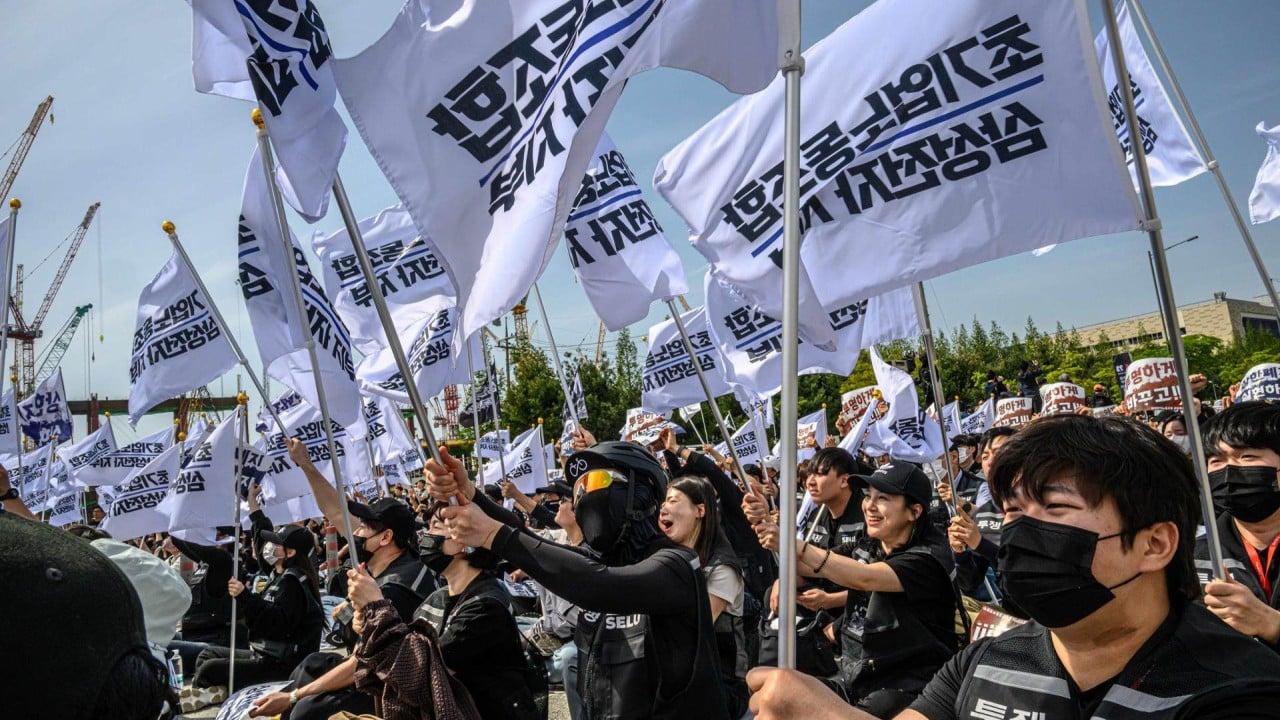
  15. Samsung union’s strike threat fuels fears of South Korea’s economic slowdown

    Samsung's largest labor union has suspended a planned strike after reaching a tentative agreement on bonuses, narrowly averting disruption to memory chip production. The deal, brokered with government mediation, reportedly includes abolishing bonus caps and allocating 10.5% of annual operating profits to employees, with significant portions for the memory division. This agreement comes amid record profits driven by the AI boom, leading to substantial average bonus payouts of around $340,000 per chip employee, and has drawn comparisons to rival SK Hynix's profit-sharing model. AI

    Samsung union’s strike threat fuels fears of South Korea’s economic slowdown

    IMPACT Averts potential disruption in AI chip supply and highlights significant profit-sharing for workers amid the AI boom.

  16. JSR to build first Taiwan photoresist plant to co-develop advanced resists with TSMC — multi-million dollar plant could come online as early as 2028

    Samsung Electronics has averted a potential strike by reaching a tentative wage agreement with its union, which represents nearly 48,000 workers. The deal, which is subject to a worker vote, was struck just hours before planned industrial action was set to begin. The dispute centered on performance bonuses, with the union seeking a larger share of annual profits and the removal of salary caps, while Samsung cited differing performance across its divisions. Meanwhile, JSR, a major photoresist maker, is building its first production facility in Taiwan to collaborate with TSMC on advanced materials, aiming to be operational by 2028. AI

    JSR to build first Taiwan photoresist plant to co-develop advanced resists with TSMC — multi-million dollar plant could come online as early as 2028

    IMPACT Potential disruption to AI memory chip supply is averted, while investment in advanced photoresist production supports future AI hardware development.

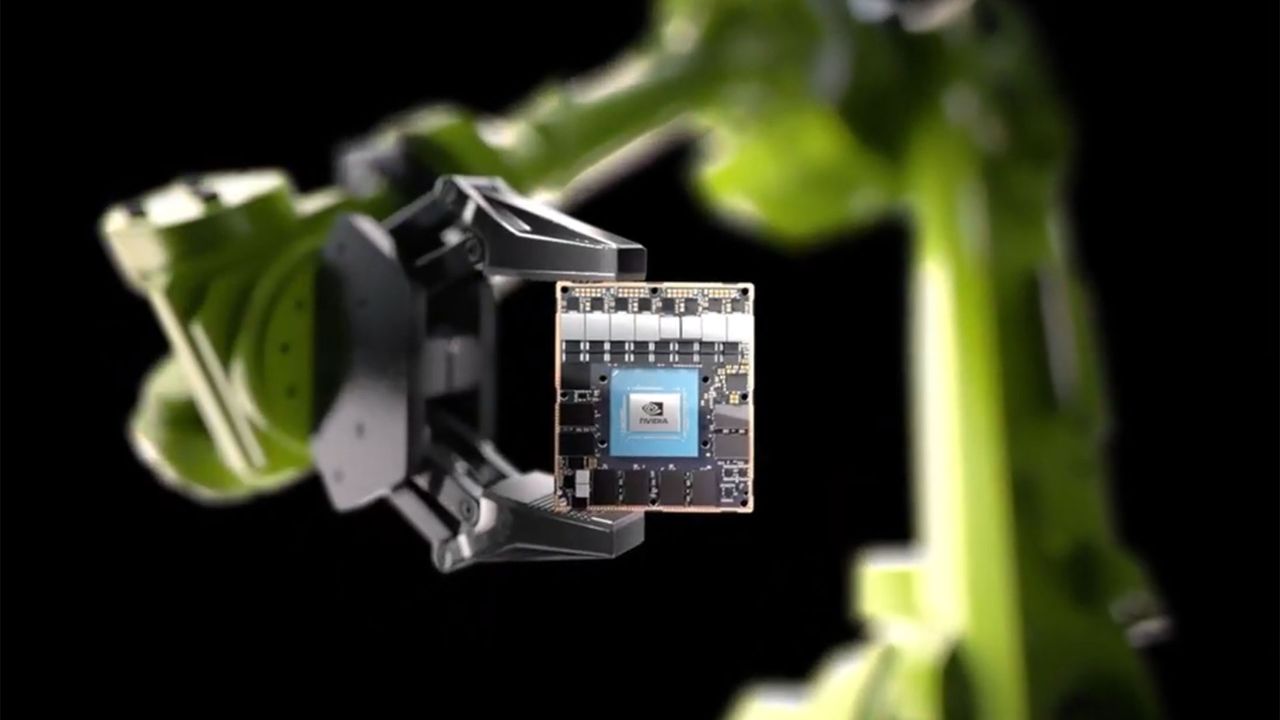
  17. Nvidia's exposure to Asian supply chains for components hits 90% of its production costs — marked increase from 65% could intensify as physical AI adds even more exposure

    Nvidia's reliance on Asian supply chains for components has increased to 90% of its production costs, up from 65% a year ago. This dependency impacts both its data center GPUs and newer physical AI products like the Jetson Thor robotics platform, which compete for constrained resources such as TSMC's 3nm wafer capacity and LPDDR5X memory. The company is also increasing its dividend and facing rising investor expectations, with some predicting it could join the $1 trillion market cap club by year-end. AI

    Nvidia's exposure to Asian supply chains for components hits 90% of its production costs — marked increase from 65% could intensify as physical AI adds even more exposure

    IMPACT Nvidia's increased supply chain costs and competition for resources could impact the availability and price of AI hardware, potentially affecting the pace of AI adoption.