PulseAugur / Brief
EN
LIVE 22:04:29

Brief

last 24h
[21/21] 221 sources

Multi-source AI news clustered, deduplicated, and scored 0–100 across authority, cluster strength, headline signal, and time decay.

  1. Sentient Welfare Across Three Futures

    A LessWrong post outlines three potential futures based on the development of artificial superintelligence (ASI) and its alignment with human values. The author categorizes these futures by the timeline of ASI development and the success of AI alignment efforts. Depending on whether ASI timelines are long, short with successful alignment, or short with failed alignment, different priorities emerge for ensuring sentient welfare. AI

    IMPACT Discusses potential long-term impacts of AI development on sentient welfare, influencing strategic priorities for researchers and advocates.
  2. How AI Will Save Prediction Markets

    Prediction markets, envisioned as powerful tools for aggregating information and predicting the future, are currently dominated by sports betting, with only a small fraction of volume dedicated to STEM topics. Companies like Kalshi and Polymarket, despite their potential for societal foresight, struggle to attract diverse market participation beyond gamblers and sports enthusiasts. Regulatory scrutiny and legal challenges in states like Nevada and Arizona highlight the ongoing debate about whether these platforms function as legitimate prediction tools or simply as gambling sites. AI

    IMPACT Discusses the potential and current limitations of prediction markets, a mechanism that could leverage AI for better societal foresight.

  3. Logical Share Splitting for Intuitionists

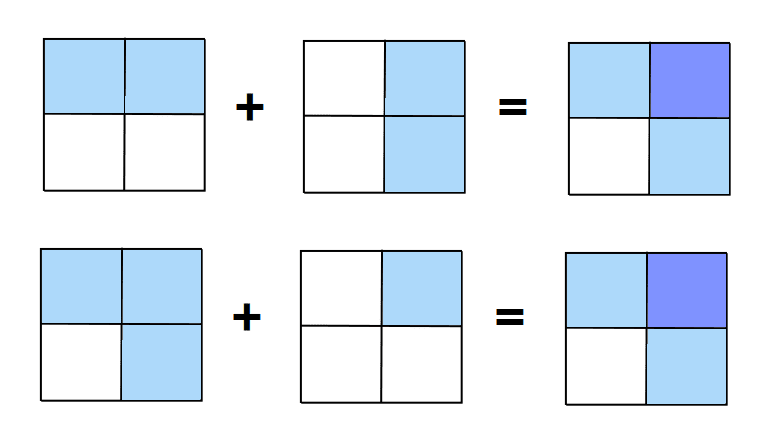
    A new concept called Logical Share Splitting is proposed for prediction markets, allowing traders to exchange shares of individual propositions for shares of their logical combinations. This mechanism enables the construction of arbitrary logical combinations of outcomes and can facilitate the subdivision of work in markets that incentivize formal proofs. The concept is extended to incorporate intuitionistic logic, addressing a problem where combining shares of a proposition and its negation would prematurely yield $1, thus disincentivizing further proof-seeking efforts. AI

    Logical Share Splitting for Intuitionists

    IMPACT Introduces a novel mechanism for prediction markets that could potentially be applied to incentivizing AI research and development.

  4. Brain Structure and IQ: How Myelin Elevates Intelligence

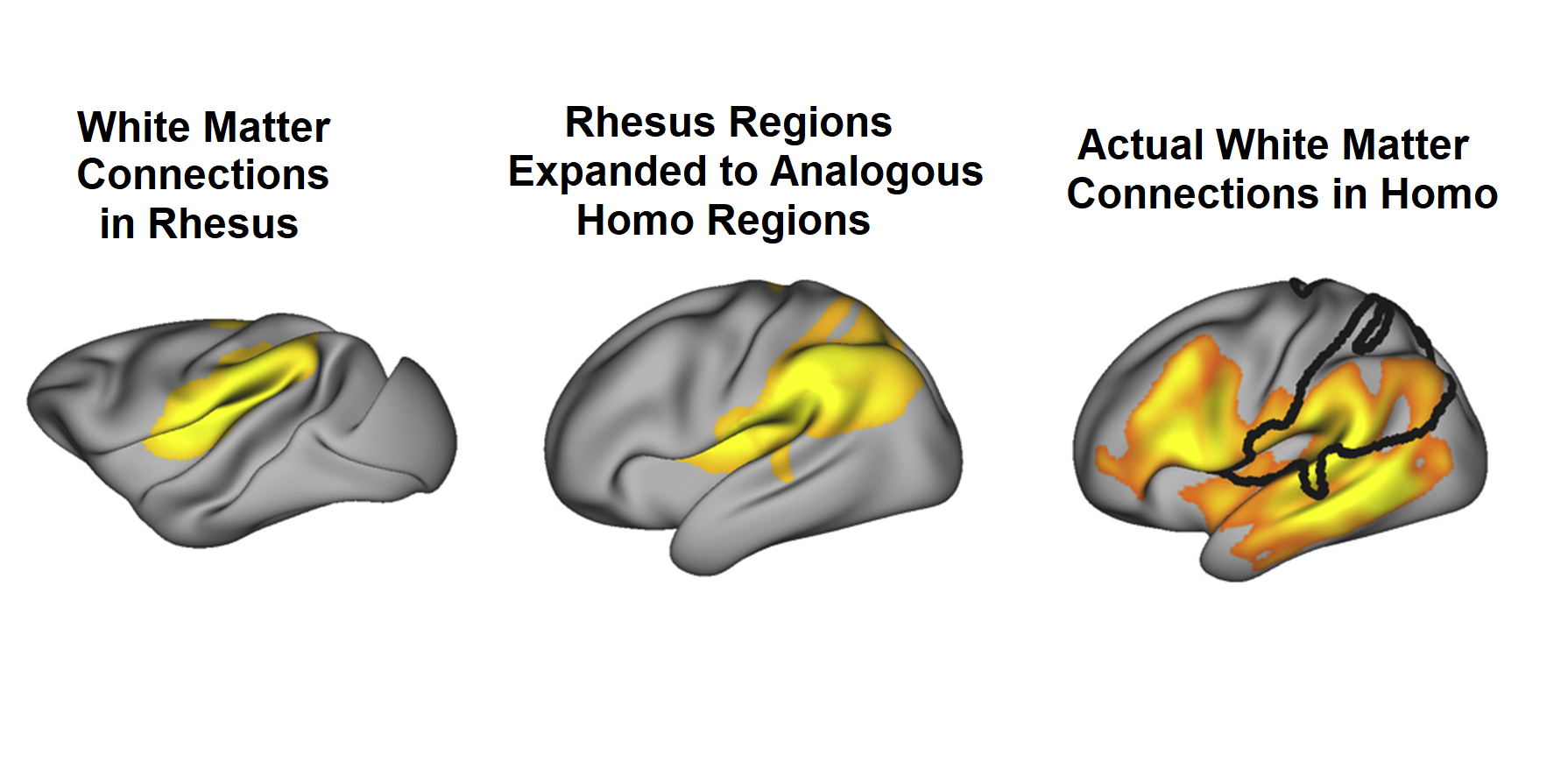
    New research suggests that myelin, a fatty substance insulating nerve fibers in the brain, plays a crucial role in elevating intelligence. Studies reviewed indicate a strong correlation between white matter tracts and psychometric 'g', a general intelligence factor. This research builds upon the work of Richard Haier, who proposed the Neural Efficiency Hypothesis and the Parietal-Frontal Integration Theory of intelligence. AI

    Brain Structure and IQ: How Myelin Elevates Intelligence

    IMPACT Suggests a biological basis for intelligence that could inform future AI architectures.

  5. Probabilities are not the right concept

    A new series of posts on LessWrong explores the fundamental nature of probabilities, questioning whether they are the most appropriate concept for understanding uncertainty. The author aims to develop a unified framework for Bayesian priors, ethics, and other complex questions, building on the work of various researchers. This initial post critiques existing definitions of probability, including frequentist and subjective Bayesian views, and suggests they are insufficient for real-world predictions and subjective beliefs. AI

    IMPACT Explores foundational concepts relevant to AI reasoning and decision-making under uncertainty.

  6. We Need to Get Serious about Uplift Studies

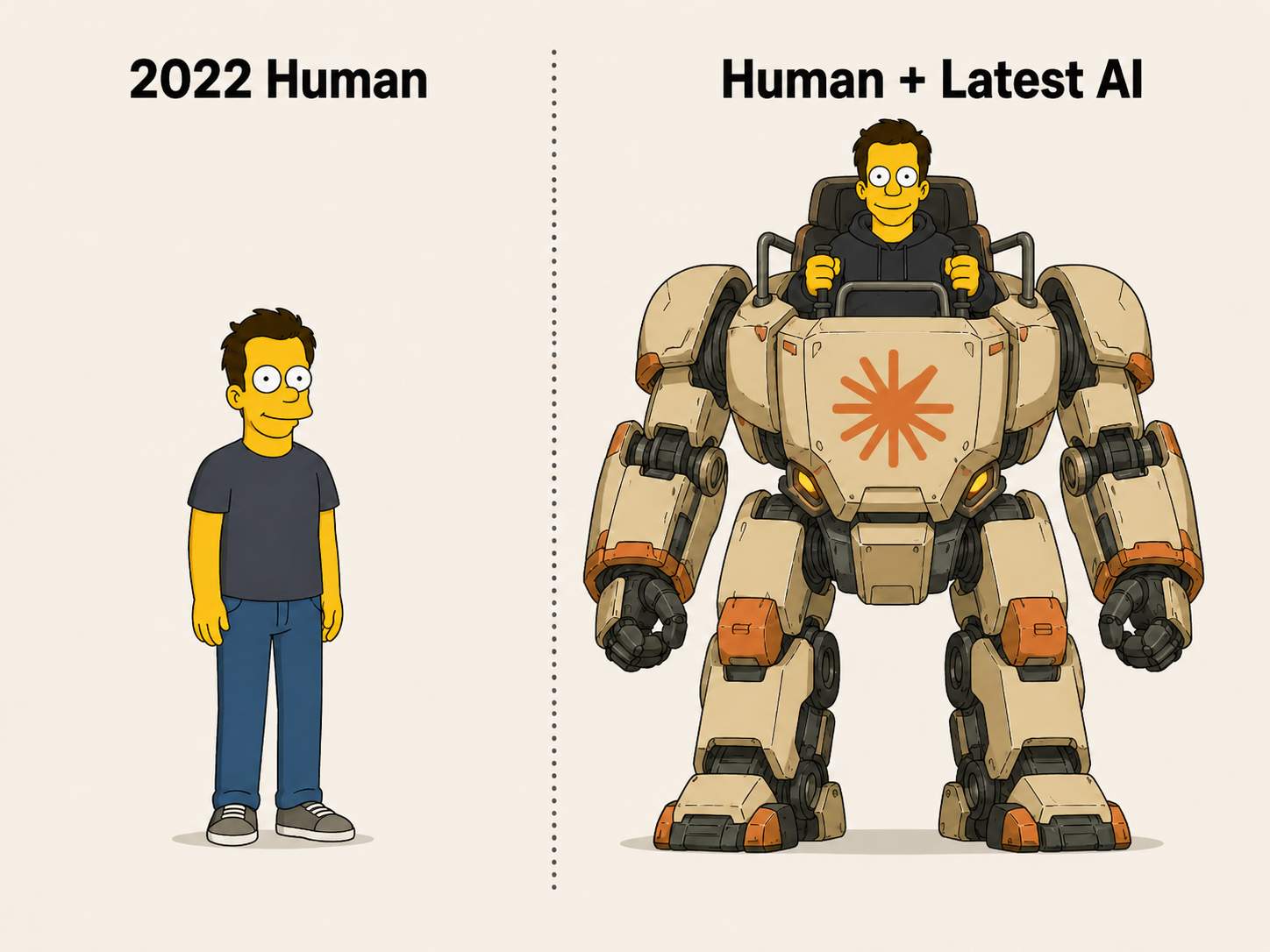
    A recent LessWrong post proposes a framework for measuring AI uplift by comparing human task completion times with and without AI assistance. The author suggests conducting experiments where humans, either alone or augmented with current AI, perform economically valuable tasks. These studies aim to quantify productivity gains and provide data for forecasting AI timelines, though challenges include obtaining baseline data and selecting tasks that remain relevant as AI capabilities evolve. AI

    We Need to Get Serious about Uplift Studies

    IMPACT Proposes a framework for evaluating AI productivity gains, which could inform future AI development and deployment strategies.

  7. A (Slightly) Mechanistic Theory for Exponentially Increasing AI Time Horizons?

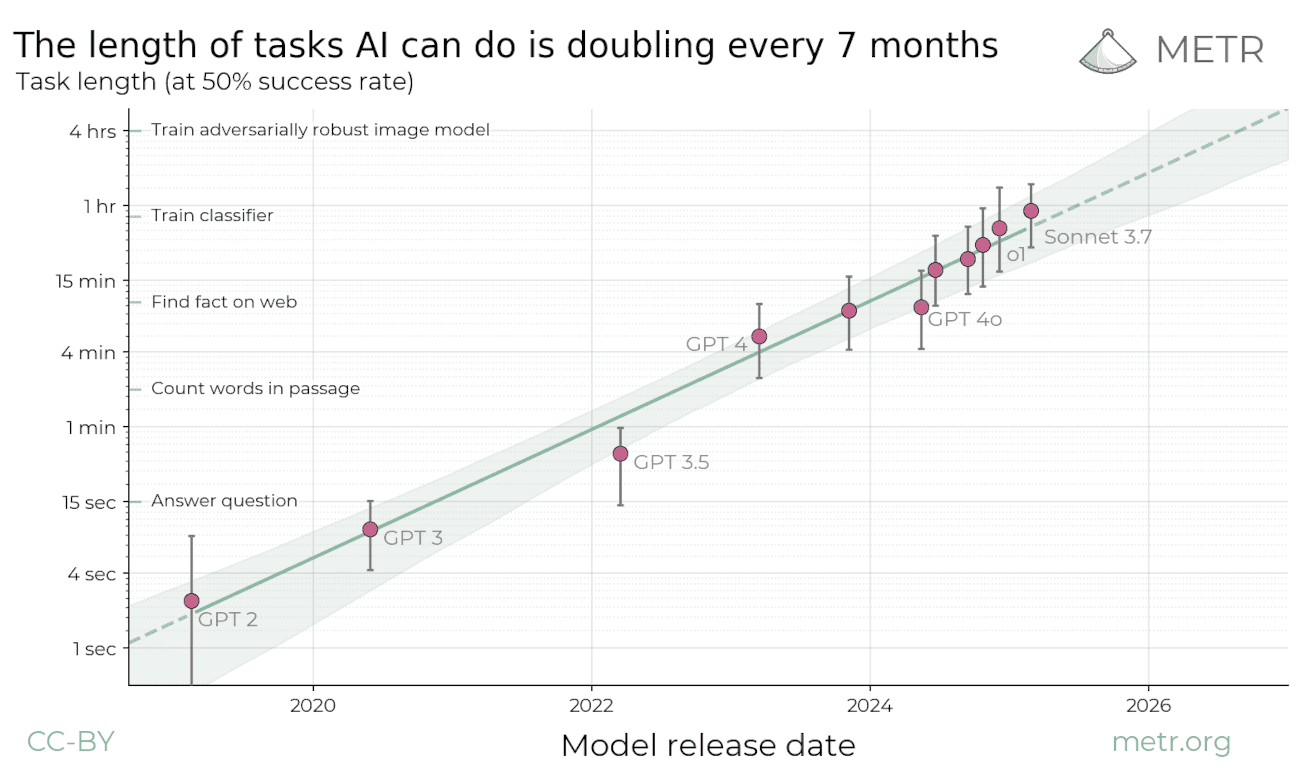
    A recent analysis on LessWrong proposes a mechanistic theory for the observed exponential increase in AI time horizons, as depicted in the METR graph. The author argues that the 'time horizon' metric primarily reflects the number of challenging subtasks within a given task, rather than the AI's operational speed. This perspective suggests that longer tasks, which require more distinct requirements, are more likely to expose an AI's limitations, thus influencing the measured 'time horizon'. AI

    A (Slightly) Mechanistic Theory for Exponentially Increasing AI Time Horizons?

    IMPACT This analysis reframes understanding of AI progress metrics, suggesting task complexity, not just speed, is key to predicting future capabilities.

  8. If I Were Emperor of New AI Safety Researcher Training...

    An AI safety researcher has proposed a curriculum for new entrants to the field, emphasizing underutilized but prescient works. The suggested readings include science fiction novellas by Stanislaw Lem, a detailed post on the inner workings and psychology of Large Language Models, and historical texts on the nature of power and societal constraints. The goal is to provide a foundational understanding of AI, its potential risks, and the broader sociotechnical context, moving beyond established AI safety literature. AI

    If I Were Emperor of New AI Safety Researcher Training...

    IMPACT Provides a curated list of foundational readings for aspiring AI safety researchers, emphasizing underutilized but prescient works.

  9. Which technical AI safety fields are going to be automated first?

    A LessWrong post speculates on which technical AI safety fields are most likely to be automated by advanced AI systems. The author considers factors like feedback quality and economic incentives for frontier labs to automate research. Fields like scalable oversight and mechanistic interpretability are identified as prime candidates for automation due to their potential to accelerate both safety and capability research. AI

    IMPACT Speculation on automation of AI safety research may inform future research directions and resource allocation.

  10. theory uplift differentially benefits safety & is underleveraged

    A LessWrong post predicts that AI mathematics capabilities will likely surpass human levels by early 2027, potentially creating a window for AI safety verification. However, the author argues that current infrastructure for generating specifications and eliciting useful outputs from AI is severely underdeveloped and underfunded. Significant investment is needed in tools that can translate large compute resources into safety-relevant mathematical outputs, as well as AI-powered conceptual tooling for complex problems. AI

    theory uplift differentially benefits safety & is underleveraged

    IMPACT Predicts a critical window for AI safety verification due to rapidly advancing math capabilities, but highlights a severe lack of investment in necessary safety infrastructure.

  11. Outsiders should focus on specs/constitutions

    The AI safety community should prioritize contributing to model specifications and constitutions, as these documents are publicly accessible and require no specialized ML knowledge. This approach allows external contributors to influence AI behavior by suggesting changes to natural language documents, which can be easily integrated by lab insiders. Focusing on these specifications is seen as a tractable way for outsiders to impact AI safety, especially in areas like macrostrategy and threat modeling that labs may overlook. AI

    Outsiders should focus on specs/constitutions

    IMPACT Provides a strategic direction for external AI safety researchers to influence model behavior through accessible documentation.

  12. Give my children minds

    This piece reflects on the concept of creating future generations with advanced minds, drawing inspiration from Kathy Mar's song "Give My Children Wings." The author updates the song's themes to reflect a post-AI utopia, focusing on the desire for children to possess vast, independent intellects and the capacity to explore and understand the universe. It also touches on the hope for a future where they inherit a restored planet and experience a peace that allows for progress and the expansion of "mindkind." AI

    Give my children minds

    IMPACT Reflects on the philosophical implications of advanced AI for future generations and societal progress.

  13. Basic principles for dressing better.

    A LessWrong post offers advice on how rationalist men can improve their fashion sense. The author argues that many in the community neglect basic principles of outfit assembly, leading to a diminished appearance. The guide focuses on balancing color, visual weight, and attention to detail, suggesting a simple formula of well-fitting pants, a shirt, and optional layering pieces, along with coordinated accessories. AI

    Basic principles for dressing better.
  14. Numb mental state shifts

    The author describes experiencing different mental states that influence behavior and motivation, even when not immediately apparent. These states can make tasks feel easier or harder, such as finding motivation for a deadline or undertaking a complex journey. The writer wonders how many such subtle mental shifts are overlooked and if a common list of these states exists for humans. AI

  15. Noticing Confusion: A practice in staying curious

    The author describes confusion as a fleeting feeling that arises when something doesn't add up, often accompanied by a sense of tension or restlessness. This confusion is frequently ignored due to a desire to avoid friction, protect one's ego, or fear of uncovering unwanted truths. The piece suggests that actively engaging with and resolving confusion can lead to a sense of clarity and relief. AI

    Noticing Confusion: A practice in staying curious
  16. If AI is normal technology, history is not reassuring.

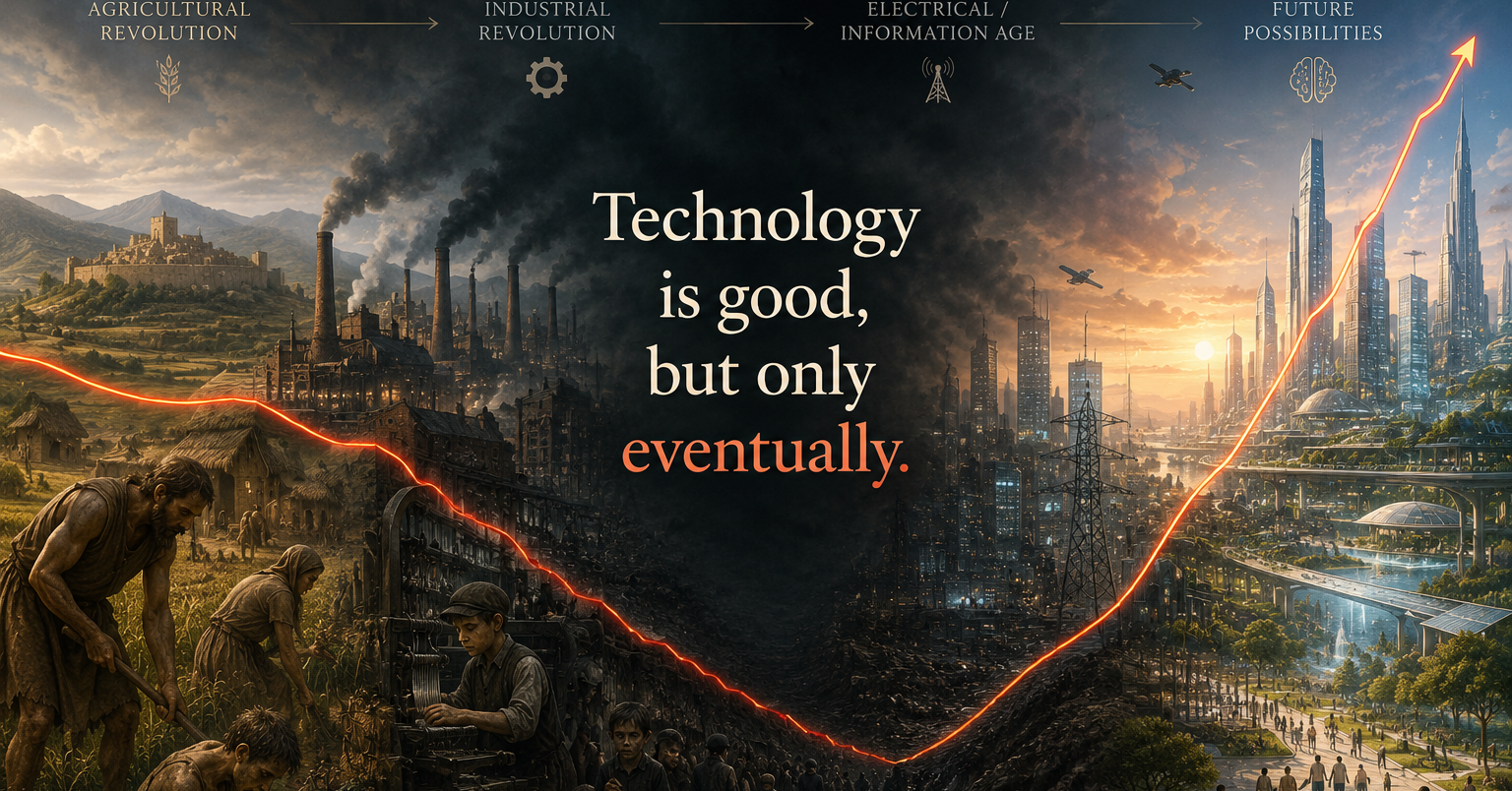
    A LessWrong post argues that AI is fundamentally different from "normal" technologies like electricity or the internet, challenging the view presented by Narayanan and Kapoor. The author contends that AI's potential for superintelligence and its profound impact on human existence necessitate urgent governance and alignment efforts. Historical examples of major technological shifts, such as the agricultural and industrial revolutions, are cited to illustrate that while long-term benefits may exist, the immediate transition periods often involve significant harm and societal disruption. AI

    If AI is normal technology, history is not reassuring.

    IMPACT Challenges the framing of AI as a 'normal' technology, urging a re-evaluation of governance and alignment strategies.

  17. Next Token Prediction is a Misleading Term

    The concept of Large Language Models (LLMs) simply predicting the next token is a misleading oversimplification. Unlike basic Markov chains, which produce nonsensical text, LLMs learn complex patterns, grammar, and even contextual understanding from vast datasets to generate coherent and meaningful output. This sophisticated prediction process requires models to internalize knowledge and reasoning capabilities to accurately forecast subsequent tokens in a sequence. AI

    Next Token Prediction is a Misleading Term

    IMPACT Clarifies the sophisticated nature of LLM training beyond simple probabilistic guessing, countering common misconceptions.

  18. Women should be able to open things

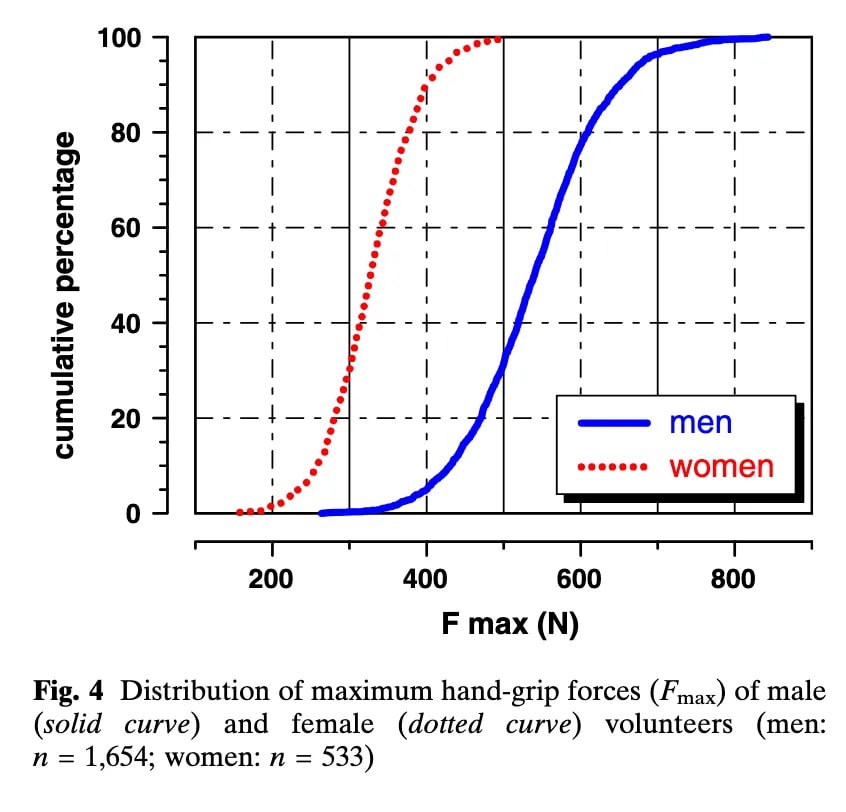
    A recent post on LessWrong highlights a persistent issue where many product containers are designed with a grip strength requirement that disproportionately excludes women. The author points to a study indicating a significant gap in grip strength between genders, with 90% of females producing less force than 95% of males. This disparity means many women frequently need assistance to open common items like jars, suggesting a lack of consideration for a large segment of the population in product design. AI

    Women should be able to open things
  19. Conclave 1492

    Conclave 1492 is a 4-day negotiation exercise simulating the complex papal election of 1492. Participants will role-play as cardinals, kings, queens, or Vatican functionaries, engaging in strategic scheming, bargaining, and alliances. The event is designed to train individuals in high-stakes political maneuvering and is scheduled to take place at Lighthaven immediately after Less Online, from June 8th to 11th. AI

    Conclave 1492
  20. Heretical Pasta

    A LessWrong user argues against two common pasta preparation methods: salting the cooking water and mixing the pasta with sauce before serving. The author advocates for cooking pasta until just before al dente and serving it separately from the sauce to maintain distinct flavors and textures. This approach allows for individual preference in sauce-to-pasta ratio and accommodates dietary restrictions. AI

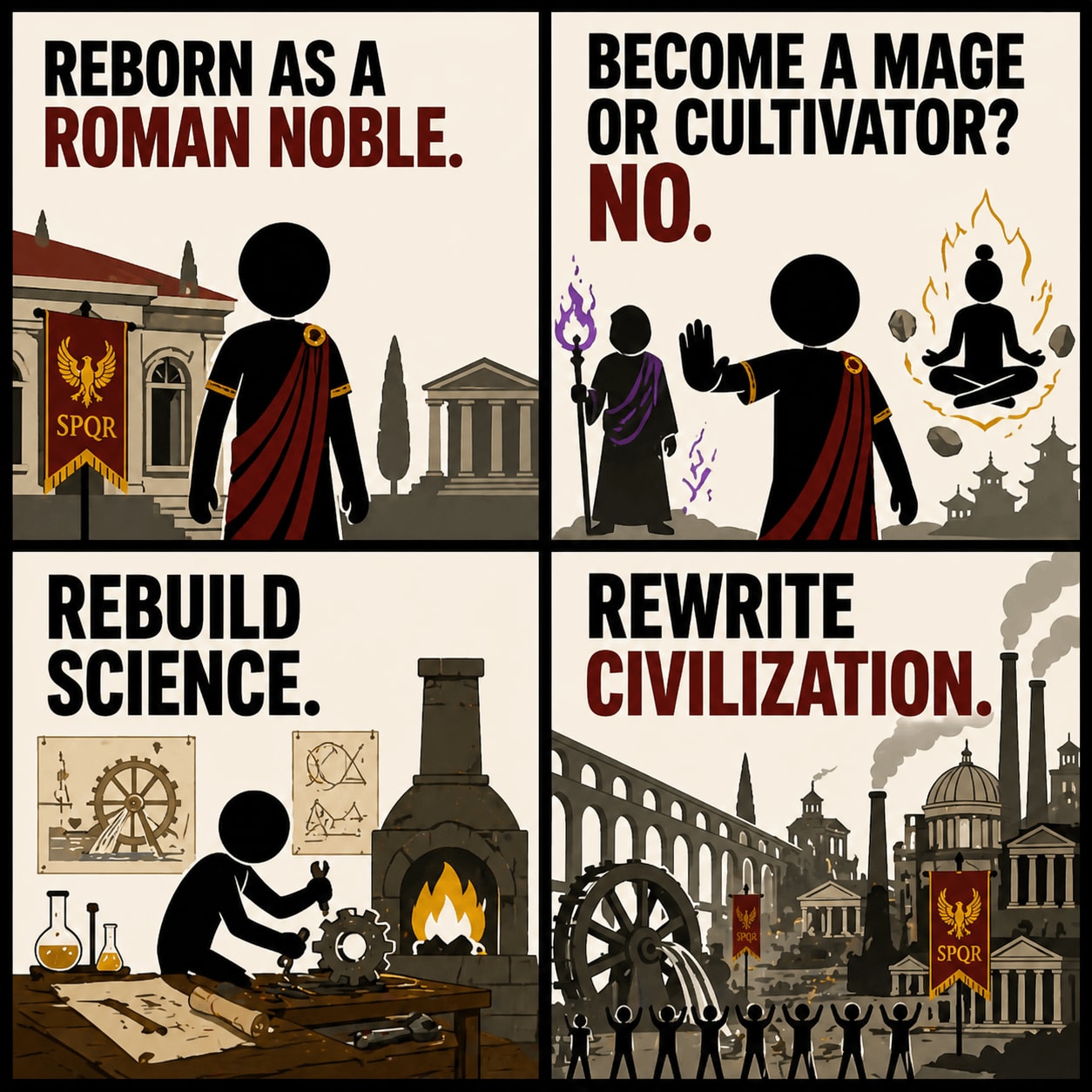
  21. Check out my technological uplifting, civilization-building, and science in a magic world fiction!

    The author is promoting their fiction series, which explores themes of technological advancement and societal adaptation within a fantasy setting. The story delves into how societies accept and integrate new innovations, focusing on the social and political challenges that accompany progress. It aims to provide a narrative framework for understanding civilization-building and the complexities of scientific and industrial development. AI

    Check out my technological uplifting, civilization-building, and science in a magic world fiction!