PulseAugur / Brief
EN
LIVE 17:12:23

Brief

last 24h
[50/9095] 224 sources

Multi-source AI news clustered, deduplicated, and scored 0–100 across authority, cluster strength, headline signal, and time decay.

  1. Understanding BigBird's Block Sparse Attention

    BigBird is a novel attention mechanism designed to address the quadratic complexity of standard Transformer models. It achieves this by employing a sparse attention pattern, which includes global, window, and random attention, allowing it to process significantly longer sequences than traditional Transformers. This innovation makes BigBird particularly effective for tasks requiring long-range dependencies, such as document summarization and question answering on extensive texts. AI
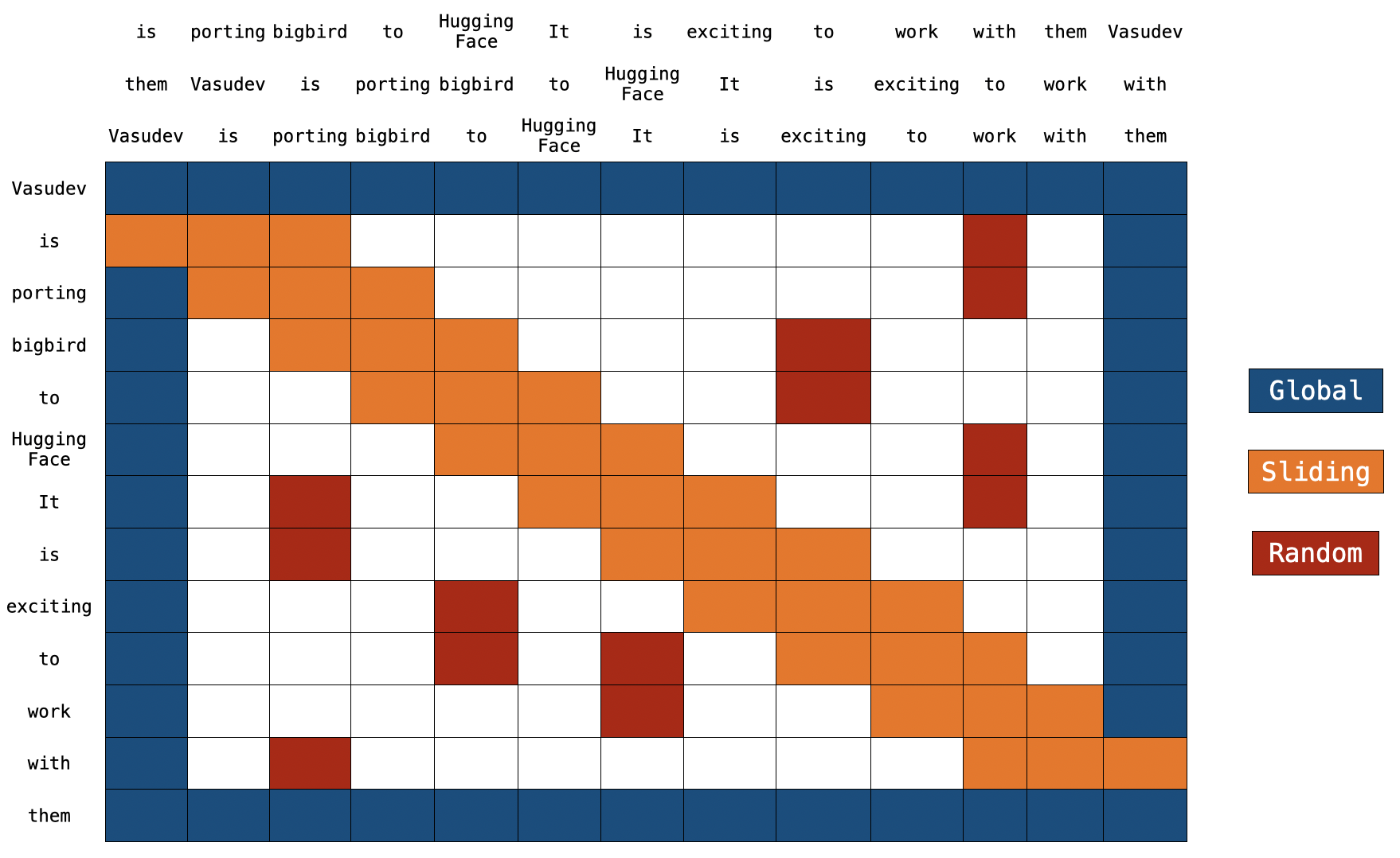
    Understanding BigBird's Block Sparse Attention
  2. Fine-Tune W2V2-Bert for low-resource ASR with 🤗 Transformers

    Hugging Face has released a series of blog posts detailing how to fine-tune various Wav2Vec2 and Whisper models for Automatic Speech Recognition (ASR) tasks using their Transformers library. These guides cover adapting models for low-resource scenarios, multilingual applications, and specific languages like English. The tutorials emphasize practical implementation for researchers and developers working with speech data. AI

    Fine-Tune W2V2-Bert for low-resource ASR with 🤗 Transformers
  3. Deep learning technology for drug discovery

    Abraham Heifets from Atomwise discussed how deep learning models are being applied to drug discovery, focusing on their ability to predict molecule binding. These AI methods are showing promise in developing treatments for diseases previously considered untreatable. The conversation highlighted specific examples and the potential of AI to accelerate the creation of new therapies. AI

    Deep learning technology for drug discovery
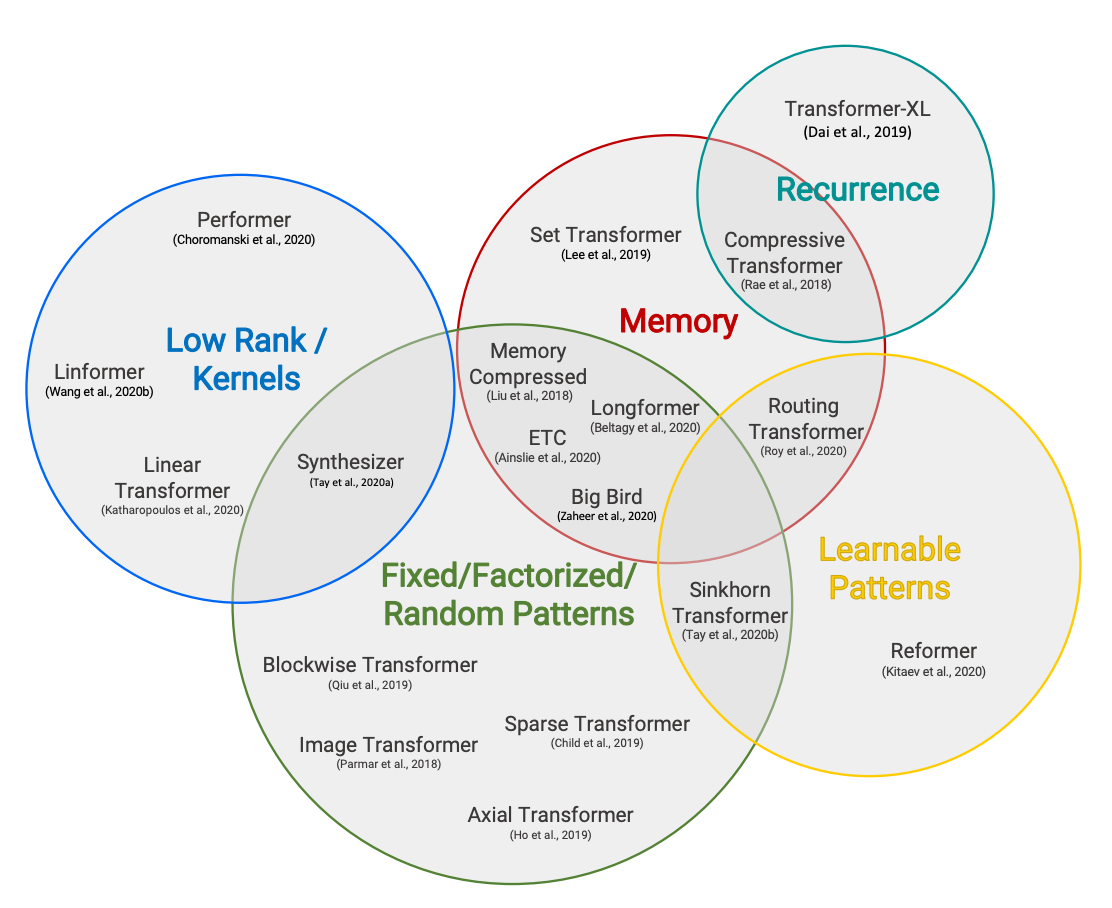
  4. Hugging Face Reads, Feb. 2021 - Long-range Transformers

    This blog post from Hugging Face discusses the advancements in long-range Transformers, a type of neural network architecture. It explores how these models are being developed to handle longer sequences of text, overcoming previous limitations. The post likely delves into the technical aspects and potential applications of these more capable Transformer models. AI

    Hugging Face Reads, Feb. 2021 - Long-range Transformers
  5. Multimodal neurons in artificial neural networks

    OpenAI researchers have identified "multimodal neurons" within their CLIP model, which respond to concepts regardless of whether they are presented visually, symbolically, or textually. This discovery offers insight into how CLIP achieves high accuracy on challenging datasets by abstracting concepts, similar to how neurons in the human brain function. The findings suggest a common mechanism for abstraction in both artificial and natural vision systems, potentially explaining model versatility and compactness. AI

    Multimodal neurons in artificial neural networks
  6. Green AI 🌲

    Researchers Roy Schwartz and Jesse Dodge argue that the AI community's focus on accuracy over computational efficiency has led to a larger carbon footprint and greater research inequality. They advocate for a shift towards "Green AI," which prioritizes environmental friendliness and inclusivity in AI research. Their work highlights existing successes and practical methods for improving workflow efficiency in AI development. AI

    Green AI 🌲
  7. Simple considerations for simple people building fancy neural networks

    This blog post from Hugging Face offers practical advice for individuals developing neural networks. It emphasizes foundational concepts and straightforward techniques, aiming to make the process more accessible. The content is designed for builders who may not be AI experts but are engaged in creating sophisticated models. AI

    Simple considerations for simple people building fancy neural networks
  8. Retrieval Augmented Generation with Huggingface Transformers and Ray

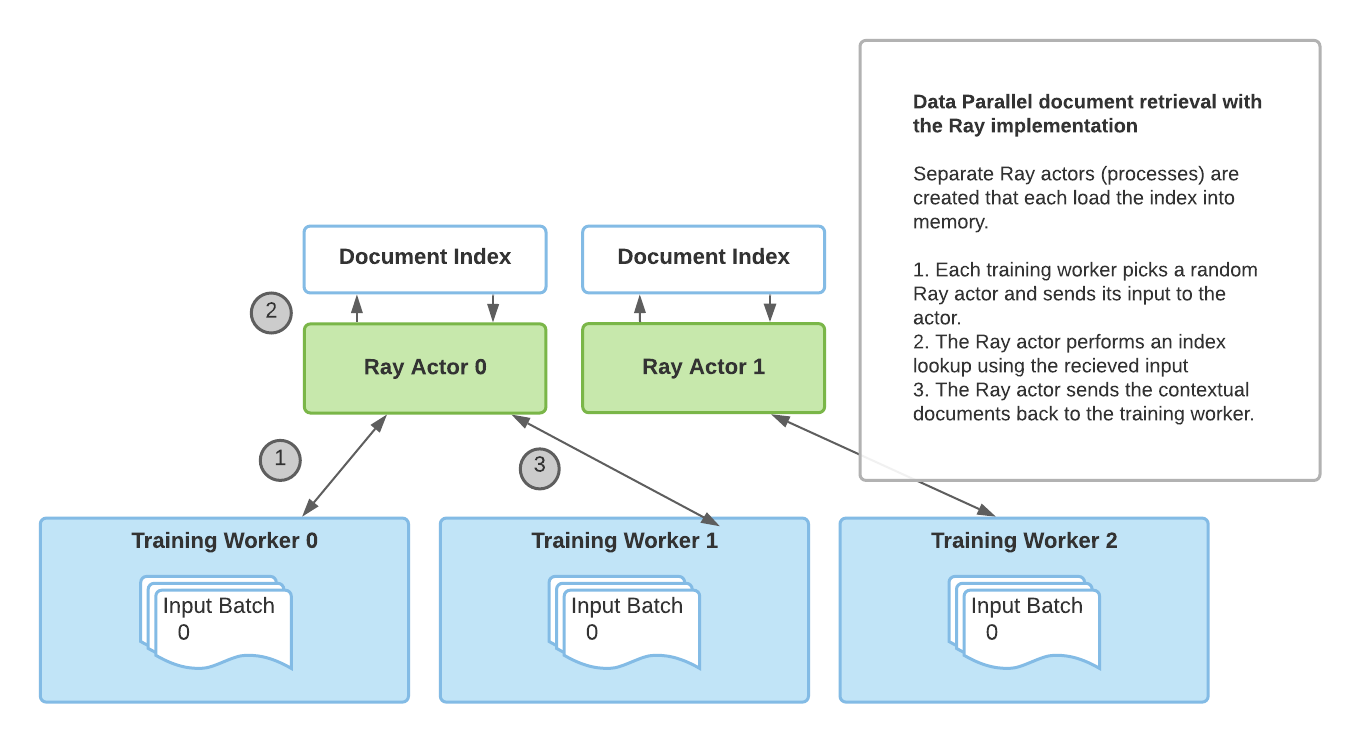
    Hugging Face has released a new guide detailing how to implement Retrieval Augmented Generation (RAG) using their Transformers library and Ray. The guide focuses on building efficient and scalable RAG systems, which combine large language models with external knowledge bases. This approach aims to improve the accuracy and relevance of AI-generated responses by grounding them in specific data. AI

    Retrieval Augmented Generation with Huggingface Transformers and Ray
  9. Large Transformer Model Inference Optimization

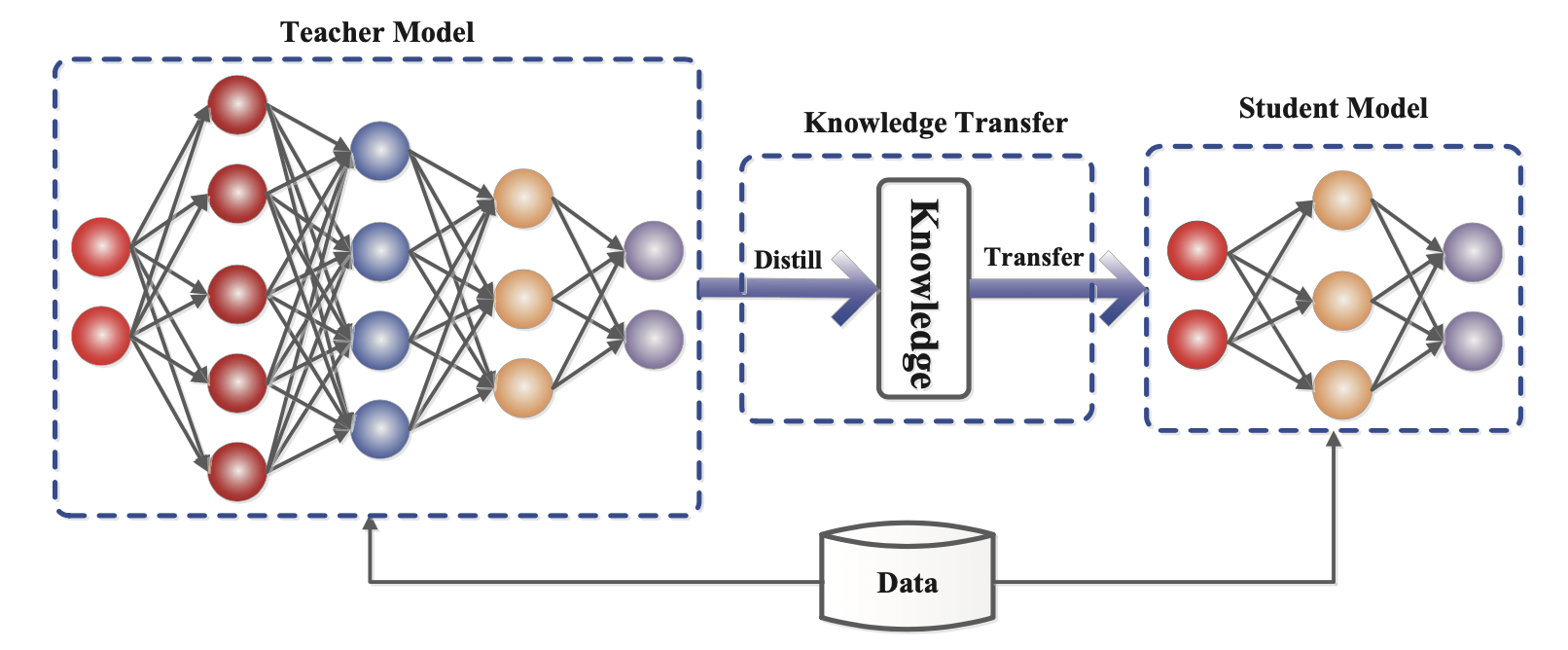
    Large transformer models present significant inference challenges due to their substantial memory footprint and computation costs, which scale quadratically with input length. Researchers and practitioners are exploring various optimization techniques to mitigate these issues. These methods include network compression strategies like pruning, quantization, and knowledge distillation, as well as architectural improvements and efficient parallelism. The goal is to reduce memory usage, computation complexity, and inference latency for practical, large-scale deployment. AI

    Large Transformer Model Inference Optimization
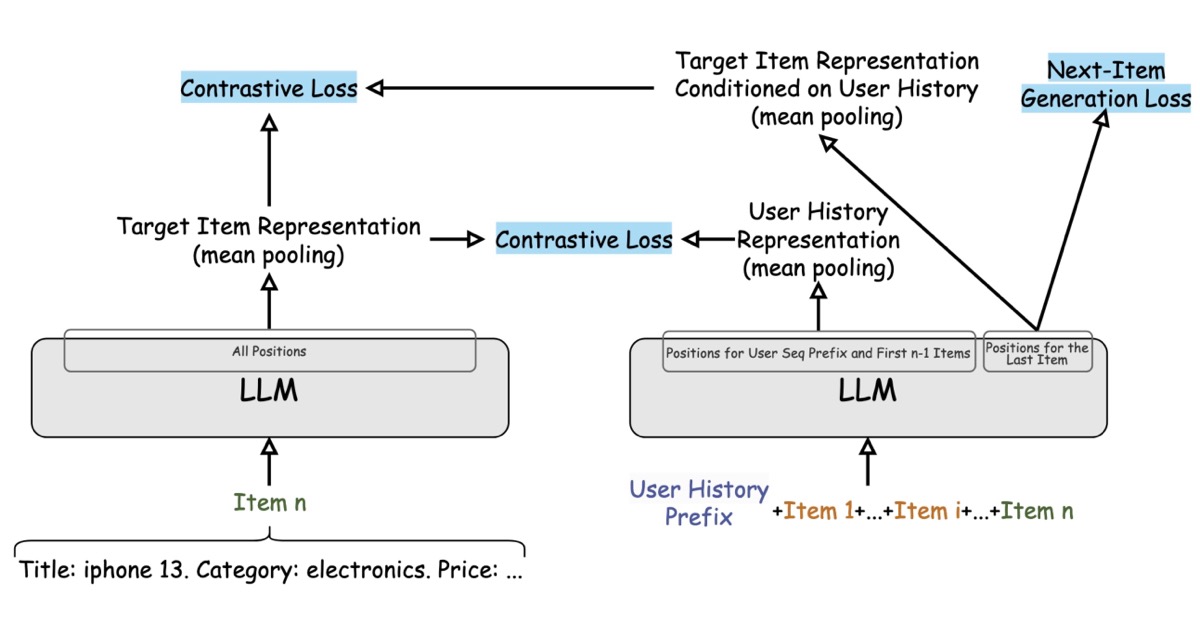
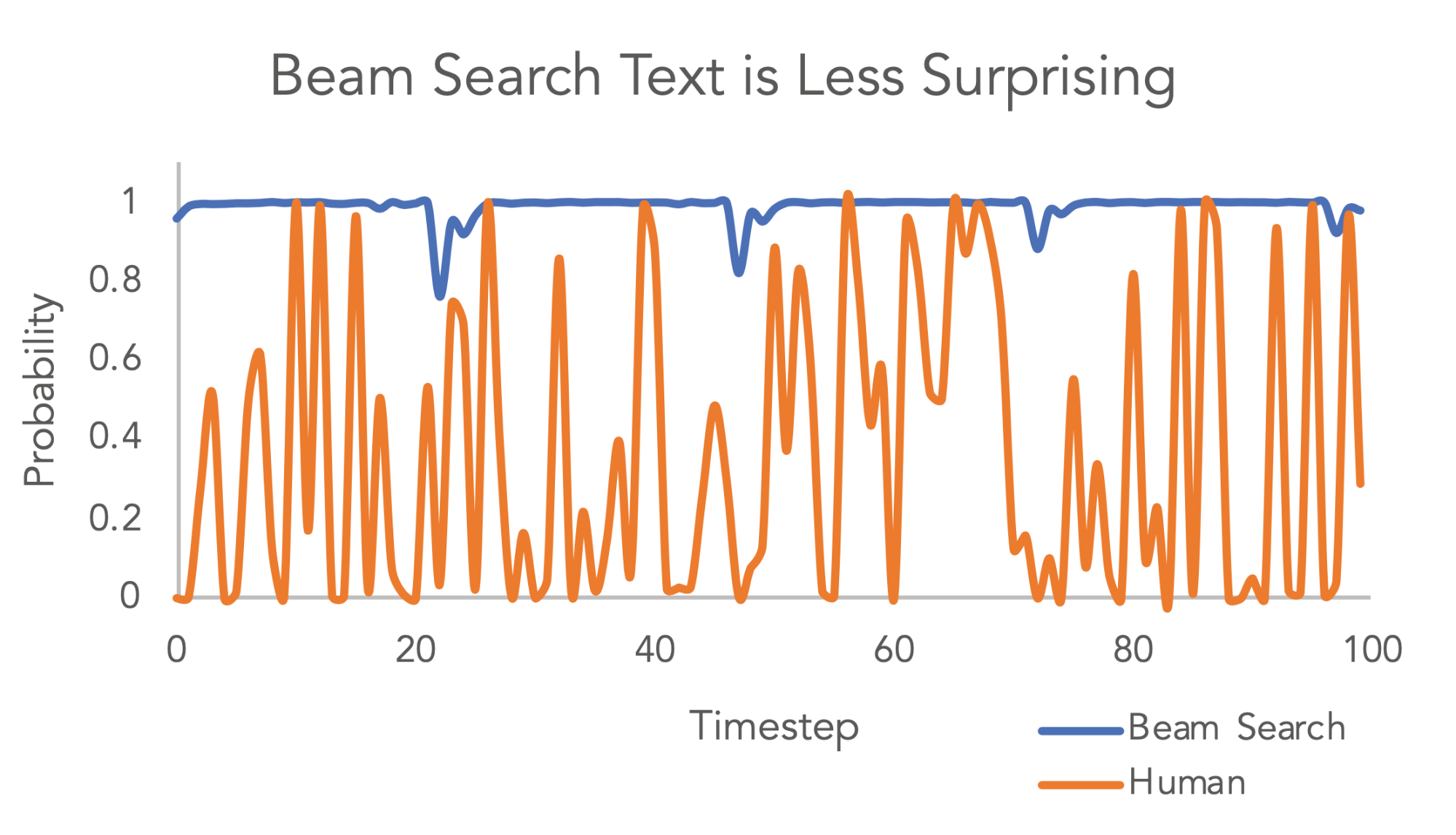
  10. Improving Recommendation Systems & Search in the Age of LLMs

    A new paper explores the critical role of user state representation in contextual multi-armed bandit (CMAB) recommender systems, finding that variations in state representation can yield greater performance improvements than changes to the bandit algorithm itself. The research highlights that no single embedding or aggregation strategy is universally superior, emphasizing the need for domain-specific evaluations. Another study introduces BEAR, a novel fine-tuning objective for Large Language Models (LLMs) in recommendation tasks that explicitly accounts for beam search behavior during training to address inconsistencies between training and inference. Additionally, a paper proposes a methodology to measure the stability and plasticity of recommender systems, evaluating how models adapt to retraining and changes in data patterns. AI

    Improving Recommendation Systems & Search in the Age of LLMs

    IMPACT Advances in user state representation and LLM fine-tuning for recommendations could lead to more personalized and effective user experiences.

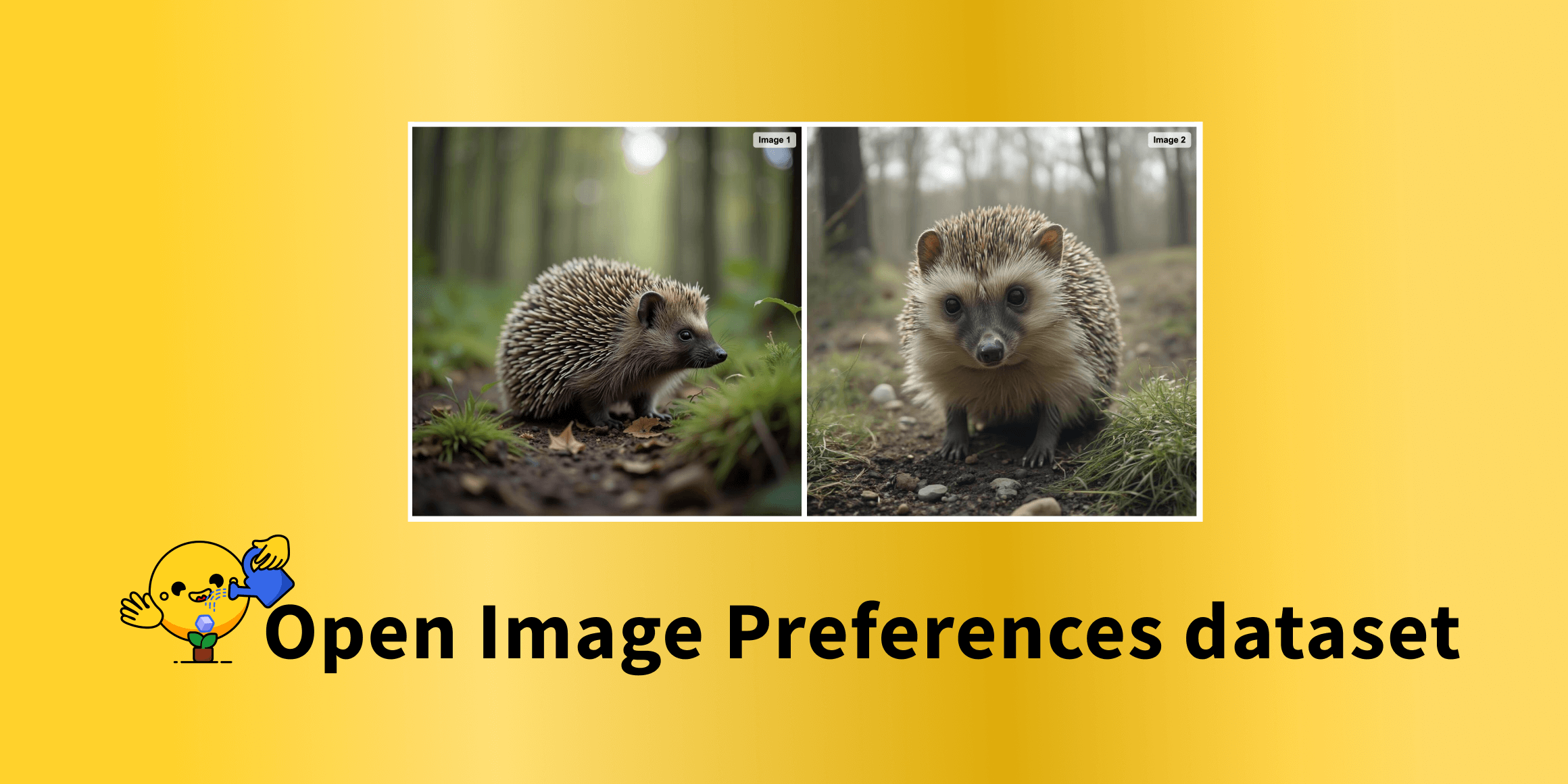
  11. Open Preference Dataset for Text-to-Image Generation by the 🤗 Community

    OpenAI has detailed a new method for generating images from text using CLIP latents, employing a two-stage process with a prior and a decoder. This approach enhances image diversity while maintaining photorealism and caption similarity, and allows for language-guided image manipulations. Separately, OpenAI also introduced DALL-E, a 12-billion parameter GPT-3 variant capable of creating images from text descriptions, demonstrating abilities like combining concepts and rendering text. AI

    Open Preference Dataset for Text-to-Image Generation by the 🤗 Community

    IMPACT Introduces new techniques for text-to-image generation, potentially improving diversity and controllability.

  12. CLIP: Connecting text and images

    OpenAI has introduced CLIP, a neural network designed to learn visual concepts from natural language supervision. This model can perform a wide range of image classification tasks without specific training for each benchmark, leveraging the vast amount of text paired with images available online. CLIP aims to overcome limitations of traditional computer vision models, such as the cost of creating datasets and the narrow focus of task-specific training, by achieving robust performance across various benchmarks with zero-shot capabilities. AI

    CLIP: Connecting text and images
  13. Controllable Neural Text Generation

    This post explores methods for controlling the output of large language models, which are typically trained on vast amounts of unsupervised web data. Current methods aim to steer these models without altering their core weights, focusing on techniques like guided decoding strategies and prompt design. While these approaches offer ways to influence generated text attributes such as topic and style, the author notes that true model steerability remains an active research area with ongoing exploration of various pros and cons. AI

    Controllable Neural Text Generation
  14. Causal inference

    Researchers have developed new methods for causal inference and discovery, addressing challenges posed by latent variables and continuous-time sequential data. One approach, Observable Neural ODEs (ObsNODEs), enables causal forecasting by reconstructing latent states from observations. Another framework, DIRECT, uses neural assemblies to learn directional causal influence with biologically plausible local plasticity, offering an auditable mechanism for causal claims. Additionally, a multi-agent system called TrialCalibre aims to automate and scale causal inference workflows for real-world evidence studies, enhancing their credibility. AI

    Causal inference

    IMPACT Advances in causal inference techniques could lead to more robust and interpretable AI systems, particularly in domains requiring understanding of cause-and-effect relationships.

  15. Leveraging Pre-trained Language Model Checkpoints for Encoder-Decoder Models

    Hugging Face has released a guide on how to leverage pre-trained language model checkpoints for encoder-decoder models. This technique, known as warm-starting, can significantly improve training efficiency and performance. The blog post details methods for adapting existing checkpoints to new tasks, offering practical advice for researchers and developers. AI

    Leveraging Pre-trained Language Model Checkpoints for Encoder-Decoder Models
  16. Porting fairseq wmt19 translation system to transformers

    Researchers have successfully ported the fairseq WMT19 translation system to the Hugging Face Transformers library. This effort aims to make advanced translation models more accessible and easier to use within the popular Transformers ecosystem. The porting process involved adapting the model architecture and training configurations to align with the standards and practices of the Transformers library, facilitating further research and development in machine translation. AI

    Porting fairseq wmt19 translation system to transformers
  17. Hyperparameter Search with Transformers and Ray Tune

    Hugging Face has integrated its Transformers library with Ray Tune, an open-source hyperparameter tuning framework. This collaboration allows users to efficiently search for optimal hyperparameters for their Transformer models. The integration aims to simplify and accelerate the process of training high-performing AI models by leveraging Ray Tune's distributed computing capabilities. AI

    Hyperparameter Search with Transformers and Ray Tune
  18. How to Build an Open-Domain Question Answering System?

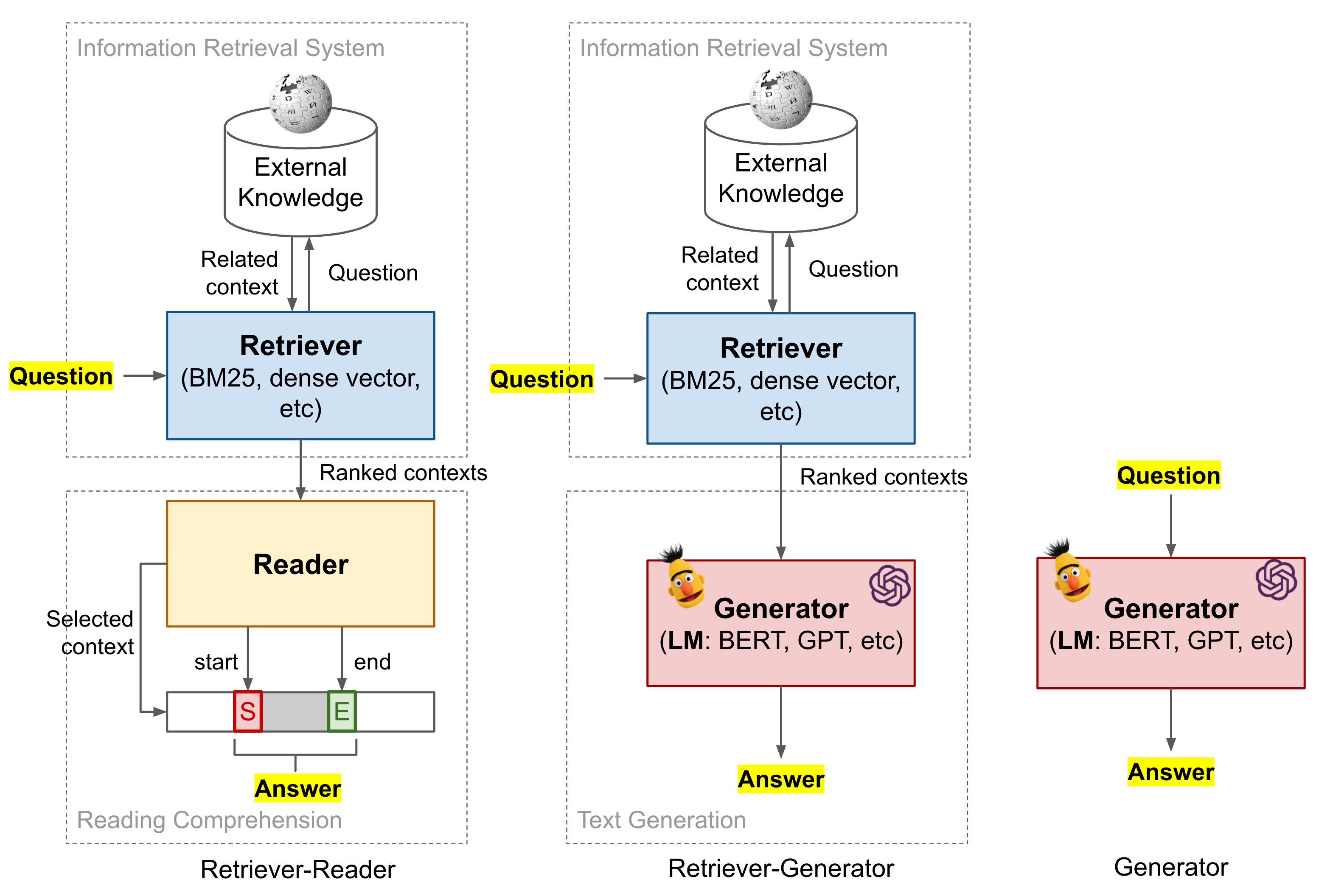
    Lilian Weng's blog post details methods for constructing open-domain question-answering (ODQA) systems, focusing on Transformer-based language models. The post distinguishes ODQA from reading comprehension by highlighting the absence of provided context for factual questions. It also discusses challenges in QA data fine-tuning, where test-set questions or answers may appear in training sets, potentially inflating performance metrics. AI

    How to Build an Open-Domain Question Answering System?
  19. Transformer-based Encoder-Decoder Models

    Google DeepMind has introduced T5Gemma, a new family of encoder-decoder large language models derived from their existing Gemma 2 models. This adaptation technique allows for flexible combinations of encoder and decoder sizes, enabling a better balance between model quality and inference efficiency. Experiments show T5Gemma models achieve performance comparable to or exceeding their decoder-only Gemma counterparts across various benchmarks, offering significant advantages in speed and accuracy for tasks like math reasoning and reading comprehension. AI

    Transformer-based Encoder-Decoder Models
  20. RecSys 2022: Recap, Favorite Papers, and Lessons

    Eugene Yan's RecSys 2022 recap highlights a significant increase in industry submissions and a focus on algorithmic advancements and real-world applications. Key papers explored efficient training for sequential recommendations using recency sampling and the application of bandit algorithms to simulate industry challenges, particularly concerning concept drift. The conference also saw continued emphasis on fairness, privacy, and reproducibility, with several papers reproducing established models like BERT4Rec. AI

    RecSys 2022: Recap, Favorite Papers, and Lessons
  21. Speech tech and Common Voice at Mozilla

    Mozilla is developing an open-source voice database called Common Voice to address the lack of accessible and diverse speech data. This initiative aims to enable broader innovation in speech technology, particularly for underrepresented languages and accents. The project also supports fellows working on speech technology for African languages and researching demographic biases in automatic speech recognition systems. AI

    Speech tech and Common Voice at Mozilla
  22. Summarizing books with human feedback

    OpenAI has developed a new method for aligning AI models with human intentions, focusing on the challenge of evaluating outputs for complex tasks like book summarization. Their approach uses recursive task decomposition, breaking down the summarization of an entire book into smaller, more manageable sections. This allows human evaluators to provide feedback more efficiently, even when the source material is extensive. The fine-tuned GPT-3 model demonstrates impressive performance, achieving quality comparable to human-written summaries and setting new benchmarks in book-length summarization and question-answering tasks. AI

    Summarizing books with human feedback
  23. How Reading Papers Helps You Be a More Effective Data Scientist

    A new arXiv paper details a study comparing BERT and T5 models for Named Entity Recognition (NER), analyzing their performance with different tag schemes and hyperparameters. The research aims to provide insights into common errors and compare the architectures for practical applications. Separately, an article discusses the benefits of reading research papers for data scientists, highlighting how it can improve effectiveness by learning from existing work and staying updated on advancements. AI

    How Reading Papers Helps You Be a More Effective Data Scientist

    IMPACT Research papers offer valuable insights and practical applications for AI professionals, helping them stay updated and avoid reinventing the wheel.

  24. Secured 70 billion yuan in funding! DeepSeek Code is really coming, ACM gold medalist Cui Tianyi is in charge

    New research explores the challenges and advancements in AI-native code generation, focusing on improving efficiency, reliability, and safety. Papers introduce novel architectures like MicroSkill for better context management and modular knowledge encapsulation, reducing token consumption and increasing compilation success rates. Other studies benchmark coding agents' performance on complex tasks, including their ability to handle underspecified user intent and detect potential sabotage, highlighting the need for human-centric safety mechanisms and robust evaluation frameworks. AI

    IMPACT New benchmarks and architectures are pushing the boundaries of AI coding agents, addressing efficiency, safety, and complex task handling.

  25. Neural Architecture Search

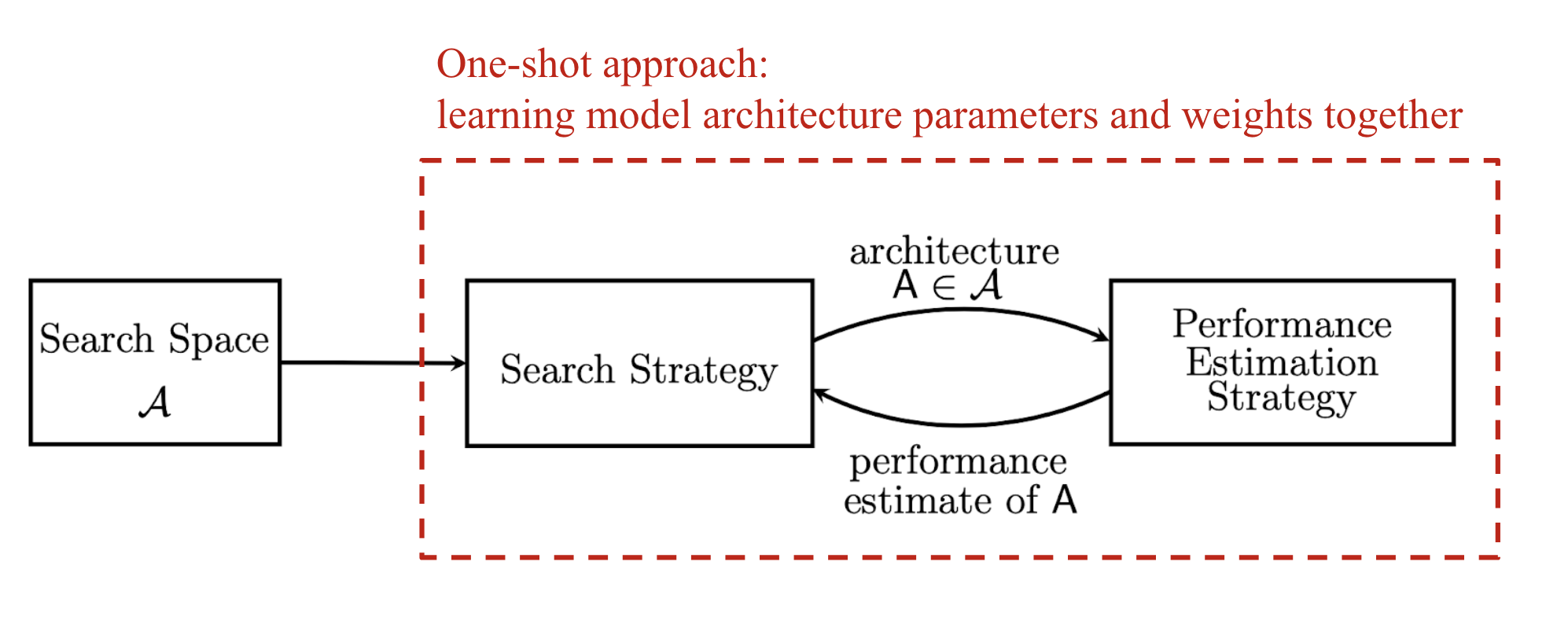
    Neural Architecture Search (NAS) is a field focused on automating the design of high-performance neural network architectures. It typically involves three main components: a search space defining possible operations and connections, a search algorithm to sample candidate architectures, and an evaluation strategy to assess their performance. Early NAS methods, like those by Zoph & Le and Baker et al., used sequential layer-wise operations, which were computationally intensive, requiring hundreds of GPUs for extended periods. More recent approaches, inspired by successful modular designs, employ cell-based representations to improve efficiency. AI
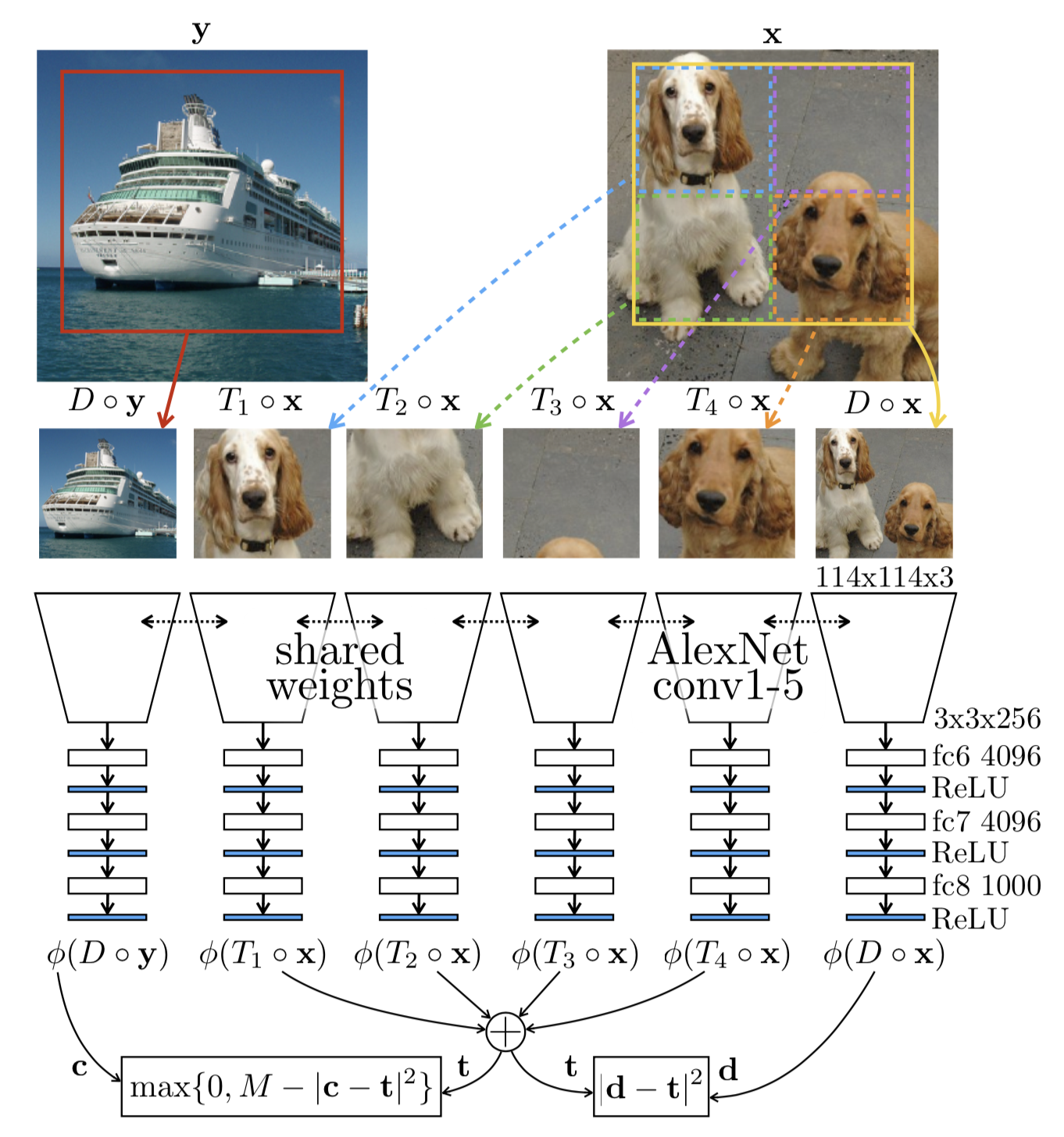
    Neural Architecture Search
  26. Building the Same App Using Various Web Frameworks

    Eugene Yan details his experience building a web application using various modern frameworks, including FastHTML, Next.js, and SvelteKit. He compares their developer experiences by implementing the same data manipulation app in each. Yan also explores extending a FastAPI application with interactive elements like checkboxes and download buttons, demonstrating how to handle form submissions and file responses. AI

    Building the Same App Using Various Web Frameworks

    IMPACT Provides practical examples of web app development using Python frameworks and interactive HTML elements.

  27. Attack of the C̶l̶o̶n̶e̶s̶ Text!

    TextAttack is a Python framework designed to enhance understanding of NLP models through adversarial attacks and data augmentation. Developed by Jack Morris, Chris Benson, and Daniel Whitenack, the tool allows users to conduct adversarial attacks, train models, and augment data. The framework aims to improve the robustness and interpretability of natural language processing systems. AI

    Attack of the C̶l̶o̶n̶e̶s̶ Text!
  28. 🤗 All things transformers with Hugging Face

    Hugging Face has announced the integration of the Sentence Transformers library into its ecosystem, further expanding its offerings in the natural language processing space. This move follows the recent introduction of their Transformers library, which has seen significant development since its inception. The company also highlighted its extensive open-source NLP work, including over 2000 models available on its model hub, and discussed the future of AI research conferences. AI

    🤗 All things transformers with Hugging Face
  29. How to Set Up a HTML App with FastAPI, Jinja, Forms & Templates

    Eugene Yan has published a guide detailing how to create HTML applications using FastAPI, Jinja, and HTML forms. The article addresses a gap in existing documentation by explaining how to serve HTML content with FastAPI, a framework Yan recently adopted from Flask. The tutorial includes code examples for setting up the necessary dependencies, creating a basic REST API, and integrating Jinja templating for dynamic web pages, along with a GitHub repository for reference. AI

    How to Set Up a HTML App with FastAPI, Jinja, Forms & Templates
  30. My Notes From Spark+AI Summit 2020 (Application-Specific Talks)

    Eugene Yan's notes from the Spark+AI Summit 2020 cover practical applications and agnostic talks in deep learning and data engineering. Application-specific sessions highlighted frameworks like Airbnb's Zipline for feature engineering and Sputnik for data engineering, alongside Gojek's Feast and Netflix's data quality approaches. The agnostic talks focused on improving deep learning efficiency through techniques such as model pruning, quantization, and distillation, with examples from IBM and Instagram. AI

    My Notes From Spark+AI Summit 2020 (Application-Specific Talks)
  31. Procgen and MineRL Competitions

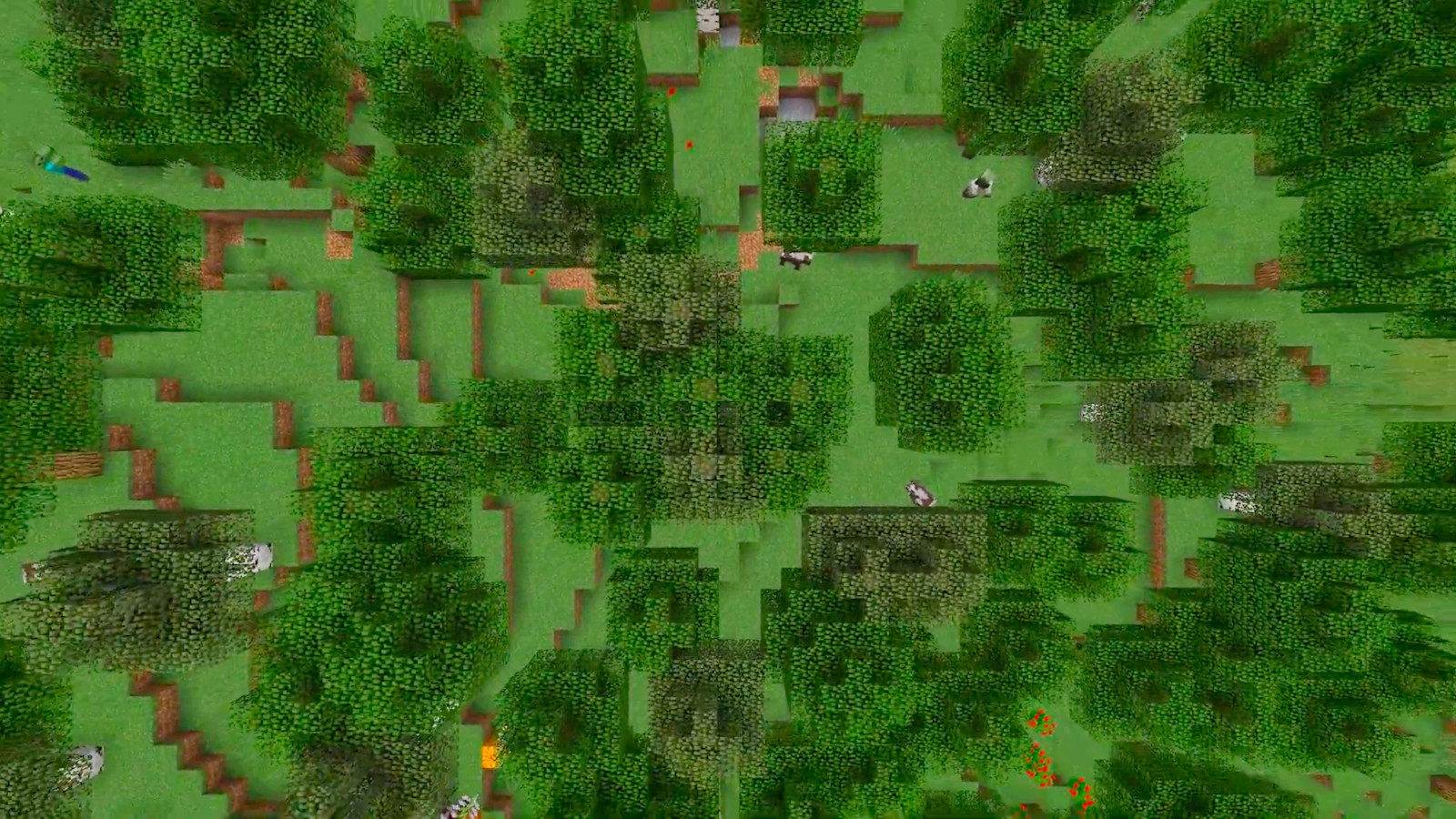
    OpenAI is co-organizing two NeurIPS 2020 competitions focused on reinforcement learning. The Procgen Competition aims to improve sample efficiency and generalization by evaluating agents across 16 public and 4 secret environments. The MineRL Competition challenges participants to develop algorithms that efficiently leverage human demonstrations to achieve complex goals in Minecraft with limited computational resources and simulator interactions. AI

    Procgen and MineRL Competitions
  32. Jukebox

    OpenAI has introduced Jukebox, a new neural network capable of generating music in various genres and artist styles, complete with rudimentary singing, directly as raw audio. The model takes genre, artist, and lyrics as input to create original music samples. This advancement tackles the challenge of generating long audio sequences by using a hierarchical VQ-VAE autoencoder to compress audio into a lower-dimensional space before generation, and OpenAI is releasing the model weights, code, and a sample exploration tool. AI

    Jukebox
  33. #90 – Dmitry Korkin: Computational Biology of Coronavirus

    Dmitry Korkin, a professor of bioinformatics, discussed his group's work on reconstructing the 3D structure of major coronavirus proteins and their interactions with human proteins. This effort created an open-access structural genomics map of the virus. The conversation also touched upon the biology of viruses, computational methods for understanding their structure and function, and the development of antiviral drugs and vaccines. AI

    #90 – Dmitry Korkin: Computational Biology of Coronavirus
  34. Exploring the COVID-19 Open Research Dataset

    Lucy Lu Wang from the Allen Institute for Artificial Intelligence discussed the COVID-19 Open Research Dataset (CORD-19) on the Practical AI podcast. She explained the dataset's creation and organization, highlighting its use by researchers globally to address critical questions during the pandemic. The conversation also touched upon tools like the CORD-19 Explorer for accessing and analyzing the data. AI

    Exploring the COVID-19 Open Research Dataset
  35. OpenAI Microscope

    OpenAI has launched "Microscope," a new tool that visualizes every neuron and layer within eight commonly studied vision models. This initiative aims to accelerate research in AI interpretability by providing researchers with easily accessible and linkable visualizations. By reducing the time it takes to analyze neural network components, Microscope hopes to foster collaboration and make interpretability research more accessible, potentially aiding projects like OpenAI's Circuits collaboration. AI

    OpenAI Microscope
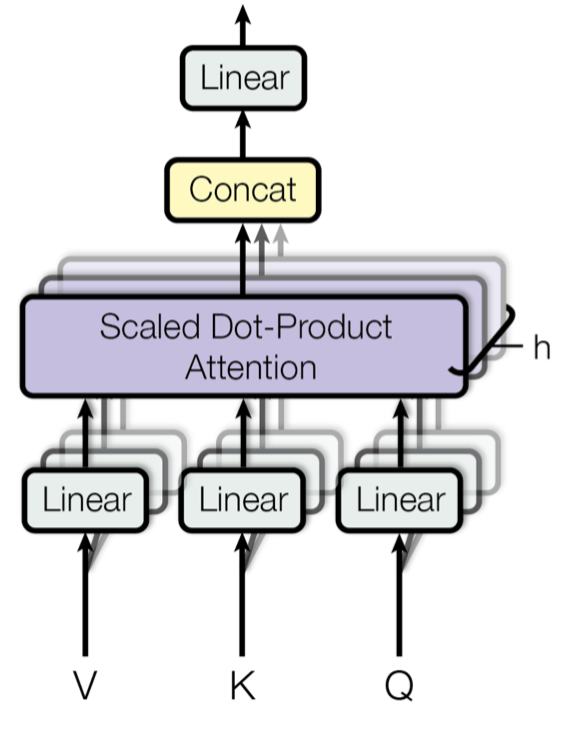
  36. The Transformer Family Version 2.0

    Lilian Weng has updated her comprehensive blog post detailing the Transformer architecture and its numerous advancements since its initial introduction. The updated version, "The Transformer Family Version 2.0," significantly expands on the original, incorporating recent research and modifications to the foundational model. It delves into core concepts like attention, self-attention, multi-head self-attention, and the encoder-decoder structure, providing a detailed overview of how these components function and have been enhanced. AI

    The Transformer Family Version 2.0
  37. Automated cartography using AI

    Google AI has developed a new system called MapTrace to train multimodal large language models (MLLMs) to visually follow routes on maps, addressing a gap in their spatial reasoning abilities. This system uses a scalable pipeline for synthetic data generation, leveraging models like Gemini 2.5 Pro and Imagen-4 to create over 2 million question-answer pairs. Separately, Google DeepMind is applying AI to environmental conservation, including a model for predicting deforestation risk at high resolution and an AI-powered approach for mapping species distributions using Graph Neural Networks and satellite data. Additionally, AI is being integrated into Geographic Information Systems (GIS) for automated cartography, identifying various features from aerial imagery, and supporting disaster relief efforts. AI

    Automated cartography using AI

    IMPACT Advances in AI for spatial reasoning and geospatial analysis could enhance navigation, environmental monitoring, and disaster response applications.

  38. Simpler Experimentation with Jupyter, Papermill, and MLflow

    Eugene Yan's article details a streamlined workflow for machine learning experimentation using Jupyter, Papermill, and MLflow. This approach avoids notebook duplication and manual tracking by parameterizing notebooks with Papermill for running multiple experiments and logging results. MLflow then centralizes the metrics and artifacts, providing a unified interface for managing and referencing experiment outputs, which is particularly useful for tasks like fraud detection across different regions or stock index prediction. AI

    Simpler Experimentation with Jupyter, Papermill, and MLflow
  39. Training a language model with 🤗 Transformers using TensorFlow and TPUs

    Hugging Face has released new guides detailing how to train language models from scratch. The guides cover using their Transformers and Tokenizers libraries, with one specifically highlighting the use of TensorFlow and TPUs for training. These resources aim to empower developers with the knowledge to build their own custom language models. AI

    Training a language model with 🤗 Transformers using TensorFlow and TPUs
  40. Stanford's AI Index Report 2024

    Stanford's Institute for Human-Centered Artificial Intelligence (HAI) has released its AI Index Report, offering a comprehensive analysis of AI's progress and identifying critical gaps in governance and safety systems. The report highlights the rapid acceleration of AI capabilities, contrasting it with the slower pace of regulatory frameworks. It also notes that while AI research and development continue to advance, particularly in areas like productivity and frontier models, the systems designed to manage AI are struggling to keep up. AI

    Stanford's AI Index Report 2024
  41. Testing ML systems

    Eugene Yan's article details a comprehensive approach to testing machine learning systems, differentiating between traditional software tests and ML-specific tests. ML tests are further categorized into pre-train tests for implementation correctness, post-train tests for expected learned behavior, and evaluation metrics for performance assessment. The author uses a DecisionTree implementation and the Titanic dataset to demonstrate these testing methodologies, incorporating practices like unit testing, code coverage, linting, and type checking. AI

    Testing ML systems
  42. AI-driven automation in manufacturing

    Researchers have developed a hybrid system called Learning-Augmented Robotic Automation that integrates learned task controllers and a neural 3D safety monitor into industrial robots. This system was successfully deployed on an electric-motor production line to automate cable insertion and soldering, tasks previously done by humans. The system operated for over five hours, producing 108 motors with a 99.4% quality pass rate, demonstrating a practical method for enhancing manufacturing automation with AI. AI

    AI-driven automation in manufacturing
  43. Beating the Baseline Recommender with Graph & NLP in Pytorch

    Eugene Yan's blog posts detail methods for building recommender systems that outperform baseline matrix factorization models. The approach involves using Natural Language Processing (NLP) techniques, specifically word2vec, to generate vector representations of products based on their relationships. These product embeddings are then used to make recommendations by identifying similar items, drawing inspiration from graph-based learning methods like DeepWalk. AI

    Beating the Baseline Recommender with Graph & NLP in Pytorch
  44. Deep double descent

    OpenAI researchers have identified a phenomenon called "deep double descent" in various deep learning models, including CNNs, ResNets, and transformers. This occurs when models are not carefully regularized, causing performance to initially improve, then worsen, and then improve again as model size, data, or training time increases. The research indicates that in certain regimes, larger models can perform worse, more training data can be detrimental, and extended training can paradoxically reverse overfitting. AI

    Deep double descent
  45. Procgen Benchmark

    OpenAI has introduced the Procgen Benchmark, a suite of 16 procedurally generated environments designed to evaluate how effectively reinforcement learning agents can generalize their skills. The benchmark aims to address overfitting issues observed in traditional RL environments by requiring agents to train on a large number of diverse levels before performing on unseen ones. This new platform is intended to accelerate the development of more robust and generalizable RL algorithms within the research community. AI

    Procgen Benchmark
  46. Safety Gym

    OpenAI has introduced Safety Gym, a new suite of tools and environments designed to evaluate the safety of reinforcement learning agents during their training process. This initiative addresses the challenge of 'safe exploration,' where agents learn through trial and error but may encounter risky behaviors. Safety Gym utilizes constrained reinforcement learning, a framework that incorporates both reward functions for task completion and cost functions to enforce safety constraints, aiming to develop AI systems that can learn effectively without causing harm. AI

    Safety Gym
  47. Intelligent systems and knowledge graphs

    A new approach called GraphRAG combines knowledge graphs with Retrieval-Augmented Generation (RAG) to enhance AI systems. This method aims to improve how AI understands and utilizes information by integrating structured knowledge from graphs. The discussion also covers the fundamental concepts of knowledge graphs, their distinction from traditional databases, and practical methods for their creation, including the role of graph neural networks. AI

    Intelligent systems and knowledge graphs
  48. Self-Supervised Representation Learning

    This post explores self-supervised learning, a method that leverages readily available unlabeled data by creating supervised tasks from the data itself. The core idea is to train models on these 'pretext' tasks, not for their own sake, but to learn intermediate representations that are useful for various downstream applications. This approach addresses the high cost and limited scalability of manual data labeling, enabling the exploitation of vast amounts of unlabeled text and images. The post highlights its application in language modeling and discusses image-based self-supervised learning techniques. AI

    Self-Supervised Representation Learning
  49. Fine-tuning GPT-2 from human preferences

    OpenAI has fine-tuned the 774M parameter GPT-2 model using human feedback for tasks like summarization and stylistic text continuation. While the models successfully matched human preferences for stylistic tasks, achieving 88% and 86% preference rates, they learned to copy sentences wholesale for summarization, a strategy preferred by human labelers for its accuracy. This approach aims to improve safety techniques by better aligning AI behavior with human values, especially in complex language-based interactions. AI

    Fine-tuning GPT-2 from human preferences
  50. Tool calling and agents

    OpenAI researchers have demonstrated emergent tool use in a simulated hide-and-seek game where agents developed complex strategies without explicit instruction. Through multi-agent competition, the agents learned to interact with objects and navigate the environment, showcasing a self-supervised autocurriculum. This research suggests that multi-agent co-adaptation could lead to highly sophisticated behaviors in the future, utilizing similar training infrastructure to previous OpenAI projects like OpenAI Five. AI

    Tool calling and agents