PulseAugur
实时 06:00:37
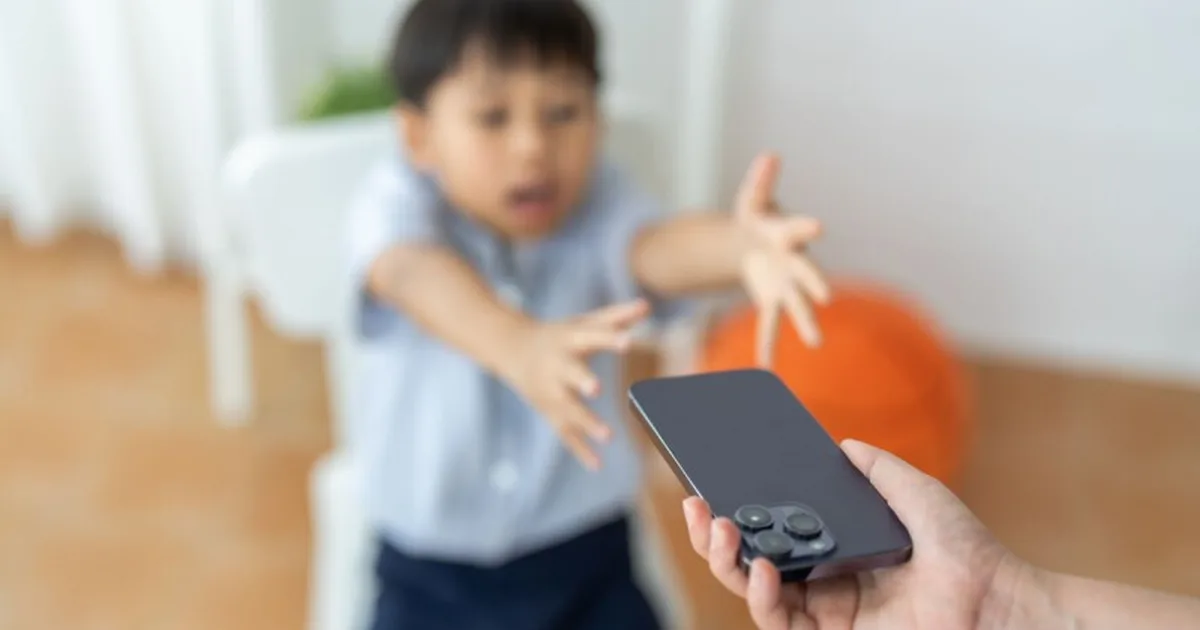
English(EN) Scientists pour cold water on claims phones are rewiring kids' brains

KPMG的AI报告强调了幻觉风险

KPMG最近的一份旨在展示AI进展的报告,无意中暴露了AI幻觉的问题。GPTZero,一个用于检测AI生成内容的工具,发现KPMG报告中的大部分引文与其原始来源不符。这一事件引发了人们对AI生成报告的可靠性和准确性的担忧,特别是那些由大型咨询公司发布的报告。 AI

影响 凸显了AI幻觉的持续挑战,影响了对AI生成报告的信任,并强调了对稳健验证方法的需求。

排序理由 文章讨论了一份关于AI能力及其后续批评的报告,属于对AI当前局限性的评论。

在 The Register — AI 阅读 →

AI 生成摘要 · Google Gemini · 来自 1 个来源。 我们如何撰写摘要 →
KPMG的AI报告强调了幻觉风险

本文如何被排名

Signal score
0 / 100
Composite score across the factors below. Higher = stronger signal that this story matters right now.
Newsworthiness bucket
Commentary
文章讨论了一份关于AI能力及其后续批评的报告,属于对AI当前局限性的评论。
Source corroboration
Single-source cluster
Only one publisher covered this so far. Single-source stories can still rank when the publisher is high-authority, but they lack cross-source corroboration.
Topics
opinion, product
Editorial topic classification. Feeds into how the story surfaces on /topic/<slug> hub pages and into the per-entity coverage mix.
AI-industry relevance
High
Clearly on-topic for AI-industry coverage.
Story freshness
72 days old
Aged out of breaking-news scoring windows; ranking reflects the durable signal from the full source set.

完整方法见我们的编辑标准

报道来源 [1]

  1. The Register — AI TIER_1 English(EN) ·

    科学家对手机正在重塑儿童大脑的说法泼冷水

    MPs told that while concerns over handsets and social media grows, evidence they're changing children's brains is limited