PulseAugur
实时 18:54:07
English(EN) How to Structure Content So AI Actually Cites It

AI搜索优先考虑结构化内容而非传统SEO

AI模型提取信息的方式与传统搜索引擎不同,它们优先处理可以轻松解析成离散块的结构化内容。这意味着文章结构正成为AI生成答案可见性的关键因素,其重要性可能超过域名权威等传统SEO信号。为了优化AI引用,内容应组织成“先回答”段落和独立的部分,直接解决特定查询,而不是仅仅依赖叙事流程。 AI

影响 内容创作者必须调整其结构策略,以确保在AI生成的答案中获得可见性,将重点从传统SEO转移到可提取性。

排序理由 文章讨论了AI模型如何处理信息,并提供了关于内容结构的建议,这是一篇观点或分析文章,而不是直接发布或事件。

在 Towards AI 阅读 →

AI 生成摘要 · Google Gemini · 来自 1 个来源。 我们如何撰写摘要 →
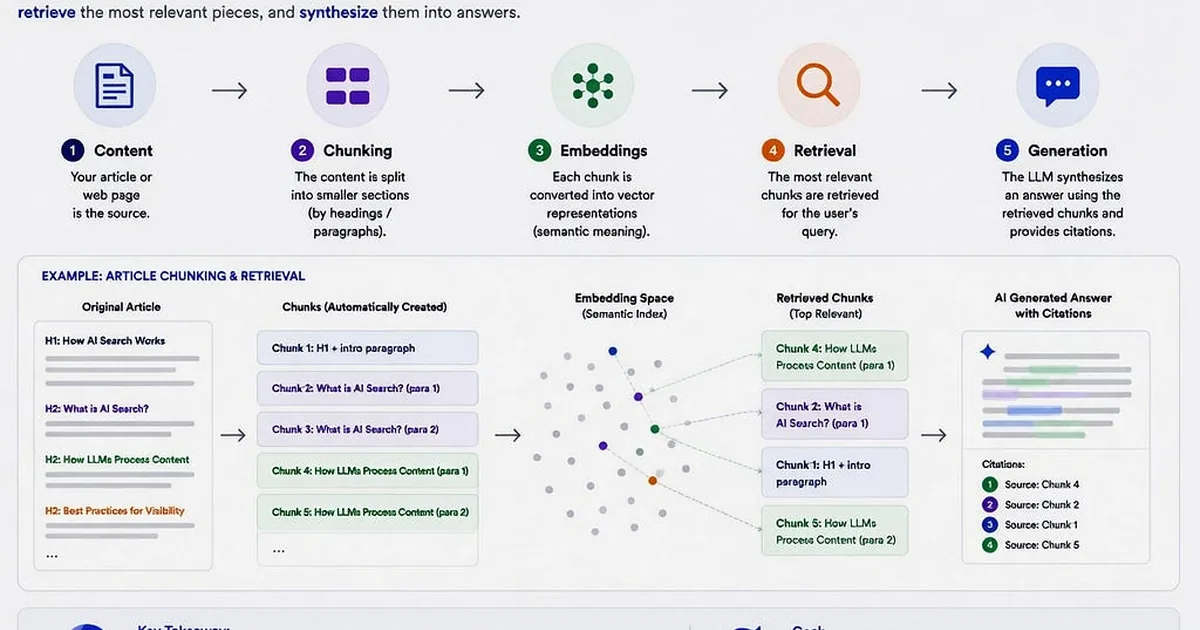
AI搜索优先考虑结构化内容而非传统SEO

本文如何被排名

Signal score
0 / 100
Composite score across the factors below. Higher = stronger signal that this story matters right now.
Newsworthiness bucket
Commentary
文章讨论了AI模型如何处理信息,并提供了关于内容结构的建议,这是一篇观点或分析文章,而不是直接发布或事件。
Source corroboration
Single-source cluster
Only one publisher covered this so far. Single-source stories can still rank when the publisher is high-authority, but they lack cross-source corroboration.
Topics
product, opinion
Editorial topic classification. Feeds into how the story surfaces on /topic/<slug> hub pages and into the per-entity coverage mix.
AI-industry relevance
High
Clearly on-topic for AI-industry coverage.
Story freshness
84 days old
Aged out of breaking-news scoring windows; ranking reflects the durable signal from the full source set.

完整方法见我们的编辑标准

报道来源 [1]

  1. Towards AI TIER_1 English(EN) · Prasoon P. ·

    如何构建内容以便AI实际引用它

    <p>The first time I audited why a well-written, well-ranked article wasn’t showing up in any AI-generated answers, I expected to find a content quality problem. What I found instead was that the content was perfectly good and completely unextractable. Two very different diagnoses…