根据SemiAnalysis引用密歇根大学的数据,消费者信心已跌至1952年以来的最低点。这种下降归因于多种因素,包括食品杂货和汽油等必需品价格上涨,这些因素对家庭财务的影响比典型通货膨胀更为严重。对明年个人财务的预期远差于历史平均水平,这表明普遍存在经济悲观情绪。 AI
排序理由 该集群讨论了消费者信心数据及其影响,属于对经济趋势的评论,而非核心AI相关事件。
AI 生成摘要 · Google Gemini · 来自 4 个来源。 我们如何撰写摘要 →
根据SemiAnalysis引用密歇根大学的数据,消费者信心已跌至1952年以来的最低点。这种下降归因于多种因素,包括食品杂货和汽油等必需品价格上涨,这些因素对家庭财务的影响比典型通货膨胀更为严重。对明年个人财务的预期远差于历史平均水平,这表明普遍存在经济悲观情绪。 AI
排序理由 该集群讨论了消费者信心数据及其影响,属于对经济趋势的评论,而非核心AI相关事件。
AI 生成摘要 · Google Gemini · 来自 4 个来源。 我们如何撰写摘要 →
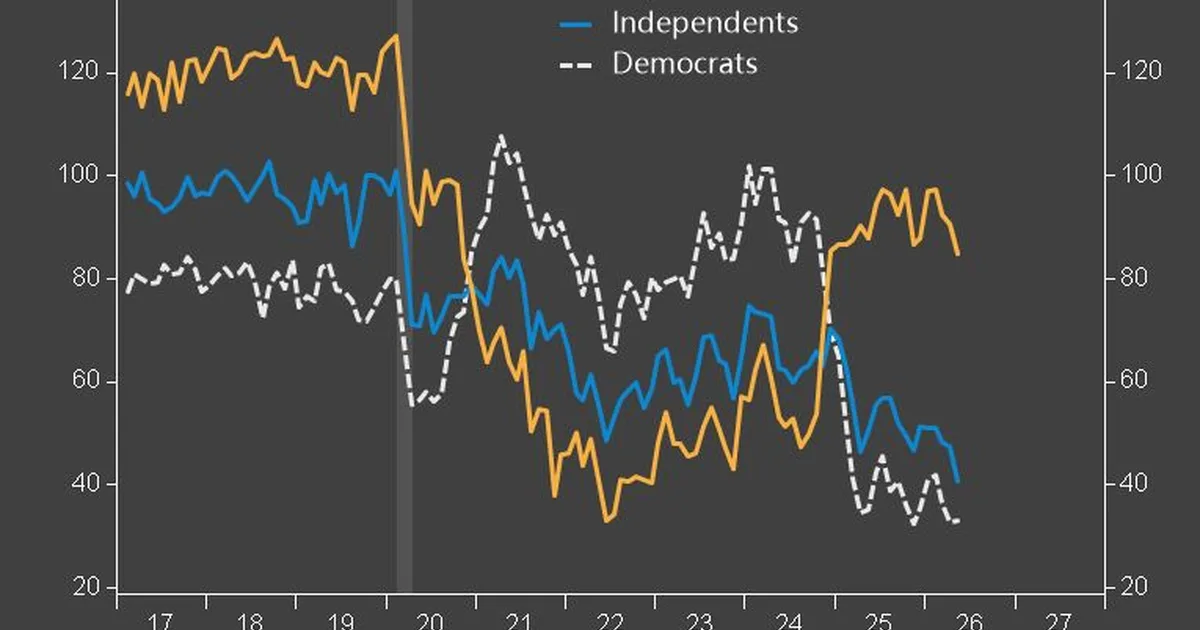
Households turning against AI impacts 🟠 Politics 🟠 AI regulation 🟠 Economic policy The gap between Wall Street optimism and Main Street anxiety is now a measurable macro signal. https://t.co/lb7fpeaXxc
Oil and gasoline hurt, grocery prices hurt, but this is not just inflation. Inflation peaked at 14.5% in the 1970s, and sentiment wasn't this bad. Consumers as well as investors are hearing about job displacement from AI. (3/4) https://t.co/LWUuu6Gz4i
Expectations for personal finances next year are 4+ standard deviations below the historical mean. This is worse than was seen in the Covid or the housing crisis. (2/4) https://t.co/ozO4EUvxzY
University of Michigan consumer sentiment just hit the worst reading since 1952. We are not in a recession, there aren't massive job losses. Gas is expensive and AI is scary. (1/4) 🧵 https://t.co/n5zujCBSVi