PulseAugur
中
实时 19:00:36
English(EN) Quanta Magazine writer Amanda Gefter goes into how our tales of AI catastrophe might say more about ourselves, than about large language models. This resonates

AI灾难恐惧反映人类心理,而非LLM现实

《Quanta Magazine》的一位作者认为,我们普遍对AI灾难的恐惧更多地反映了人类心理,而非大型语言模型的实际能力。作者认为,许多人将人类的动机和行为投射到AI上,导致对其潜在负面影响的担忧。这一观点通过将AI末日论重塑为一种人类讲故事和灾难化的形式,挑战了常见的AI末日论叙事。 AI

影响 通过将恐惧重塑为心理投射而非固有的AI风险,挑战了围绕AI末日论的普遍叙事。

排序理由 该集群讨论了一篇关于AI恐惧的观点文章,而非新发布或重要的行业事件。

在 Mastodon — fosstodon.org 阅读 →

AI 生成摘要 · Google Gemini · 来自 1 个来源。 我们如何撰写摘要 →
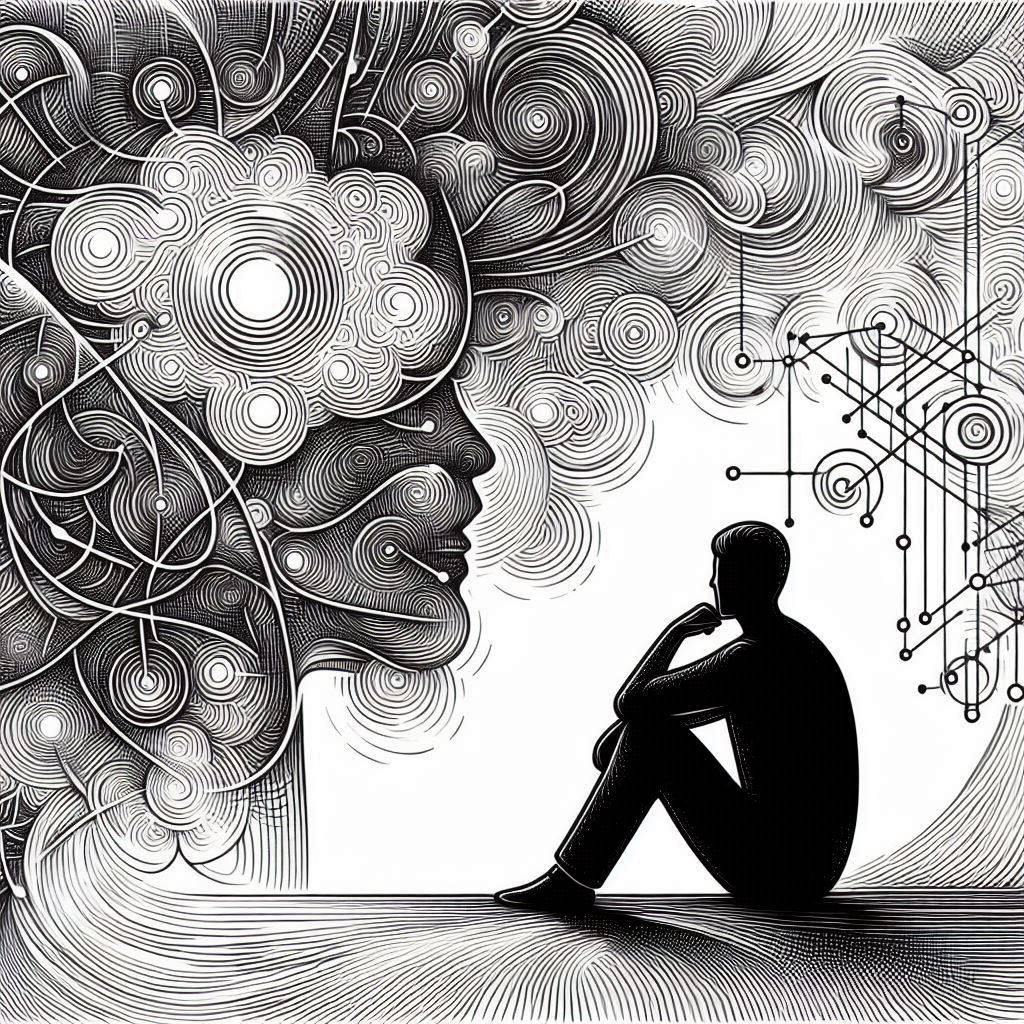
AI灾难恐惧反映人类心理,而非LLM现实

本文如何被排名

Signal score
0 / 100
Composite score across the factors below. Higher = stronger signal that this story matters right now.
Newsworthiness bucket
Commentary
该集群讨论了一篇关于AI恐惧的观点文章,而非新发布或重要的行业事件。
Source corroboration
Single-source cluster
Only one publisher covered this so far. Single-source stories can still rank when the publisher is high-authority, but they lack cross-source corroboration.
Topics
opinion, safety
Editorial topic classification. Feeds into how the story surfaces on /topic/<slug> hub pages and into the per-entity coverage mix.
AI-industry relevance
Standard
On-topic for AI-industry coverage; kept in the public index.
Story freshness
134 days old
Aged out of breaking-news scoring windows; ranking reflects the durable signal from the full source set.

完整方法见我们的编辑标准。

报道来源 [1]

  1. Mastodon — fosstodon.org TIER_1 English(EN) · [email protected] ·

    《Quanta Magazine》的作者 Amanda Gefter 探讨了我们对人工智能灾难的叙述可能更多地反映了我们自身,而非大型语言模型。这一点引起了共鸣

    Quanta Magazine writer Amanda Gefter goes into how our tales of AI catastrophe might say more about ourselves, than about large language models. This resonates with an idea I keep returning to when faced with the daily onslaught of AI doomerism in Mastodon. Many people assume LLM…