PulseAugur
中
实时 19:57:35
English(EN) Jensen Huang built Nvidia into a $4 trillion AI giant but owned less than 4% of it, leaving him without the super-voting power to protect his CEO role

英伟达CEO黄仁勋因不忠和间谍担忧辞职

在不忠和潜在外国情报行动的报道之后,黄仁勋已辞去英伟达CEO一职。尽管他是公司联合创始人,并且是最大的个人股东,持有约3.58%的股份,但由于英伟达的“一股一票”结构,他缺乏超级投票权来保住自己的职位。这与Meta的马克·扎克伯格等创始人不同,后者通过双重股权结构保持了重要的控制权,使他们能够有效地选举董事会并决定公司事务。 AI

影响 英伟达的领导层变动可能会影响其在AI硬件市场的战略方向。

排序理由 CEO因个人行为和潜在的国家安全担忧而辞职,而非产品或研究开发。

在 Fortune 阅读 →

AI 生成摘要 · Google Gemini · 来自 1 个来源。 我们如何撰写摘要 →
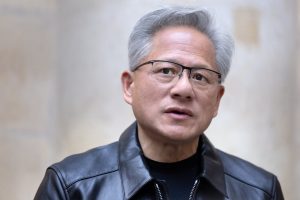
英伟达CEO黄仁勋因不忠和间谍担忧辞职

本文如何被排名

Signal score
15 / 100
Composite score across the factors below. Higher = stronger signal that this story matters right now.
Newsworthiness bucket
Tool
CEO因个人行为和潜在的国家安全担忧而辞职,而非产品或研究开发。
Source corroboration
Single-source cluster
Only one publisher covered this so far. Single-source stories can still rank when the publisher is high-authority, but they lack cross-source corroboration.
Topics
other
Editorial topic classification. Feeds into how the story surfaces on /topic/<slug> hub pages and into the per-entity coverage mix.
AI-industry relevance
Standard
On-topic for AI-industry coverage; kept in the public index.
Story freshness
Breaking (< 6h)
Fresh story with cross-source coverage still developing. Ranking may shift as more sources report.

完整方法见我们的编辑标准。

报道来源 [1]

  1. Fortune TIER_1 English(EN) · Marco Quiroz-Gutierrez ·

    黄仁勋将Nvidia打造成市值4万亿美元的AI巨头,但他仅持有不到4%的股份,导致他失去保护CEO职位的超级投票权

    Huang was the largest individual shareholder, but couldn’t decide the makeup of the board on his own due to the company’s share structure.