PulseAugur
中
实时 19:22:23
English(EN) Gordon Ritter: who owns the intelligence economy?

戈登·里特:AI经济规则必须保护人类智能和工作痕迹

戈登·里特认为,目前关于AI经济的规则,特别是涉及人类智能和工作痕迹的所有权方面,尚不明确,并可能被强大的AI公司所主导。他提出了一个三层面的社会契约:平台层面的选择,以防止供应商锁定;组织层面的主权,控制学习循环和领域专业知识;以及个人层面的认可,重视人类的判断和学习。里特强调,AI的设计应旨在培养而非仅仅提取人类智能,并引用了AI工具根据其设计不同而阻碍或增强学习的研究。 AI

影响 为未来关于AI所有权和促进人类学习的AI工具设计的政策辩论奠定基础。

排序理由 知名可信人士的观点文章,讨论AI经济和政策的未来。

在 Fortune 阅读 →

AI 生成摘要 · Google Gemini · 来自 1 个来源。 我们如何撰写摘要 →
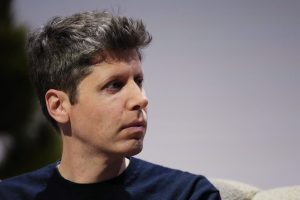
戈登·里特:AI经济规则必须保护人类智能和工作痕迹

本文如何被排名

Signal score
0 / 100
Composite score across the factors below. Higher = stronger signal that this story matters right now.
Newsworthiness bucket
Commentary
知名可信人士的观点文章,讨论AI经济和政策的未来。
Source corroboration
Single-source cluster
Only one publisher covered this so far. Single-source stories can still rank when the publisher is high-authority, but they lack cross-source corroboration.
Topics
opinion, policy
Editorial topic classification. Feeds into how the story surfaces on /topic/<slug> hub pages and into the per-entity coverage mix.
AI-industry relevance
Standard
On-topic for AI-industry coverage; kept in the public index.
Story freshness
1 days old
Coverage has settled into its steady-state source set.

完整方法见我们的编辑标准。

报道来源 [1]

  1. Fortune TIER_1 English(EN) · Gordon Ritter ·

    Gordon Ritter: who owns the intelligence economy?

    AI systems learn from how people reason and decide. Nobody has yet decided who owns what they learn.