PulseAugur
中
实时 05:49:02
English(EN) Computers Made of Human Brain Tissue Identify Braille Letters In Breakthrough

人脑类器官以83%的准确率分类盲文

科学家们开发出一种使用人脑类器官进行计算任务的方法,并成功展示了它们分类盲文的能力。在一项发表于《人工智能前沿》的研究中,研究人员将代表盲文的电信号传输到类器官(源自干细胞的活体神经组织)中。单个类器官的分类准确率约为61%,而三个类器官组成的团队的准确率则达到了83%。 AI

影响 这项研究探索了生物神经网络在计算方面的潜力,为信息处理提供了一种新颖的方法,可能影响未来的AI发展。

排序理由 发表了一篇详细介绍新研究发现的科学论文。[lever_c_demoted from research: ic=1 ai=1.0]

在 404 Media 阅读 →

AI 生成摘要 · Google Gemini · 来自 1 个来源。 我们如何撰写摘要 →
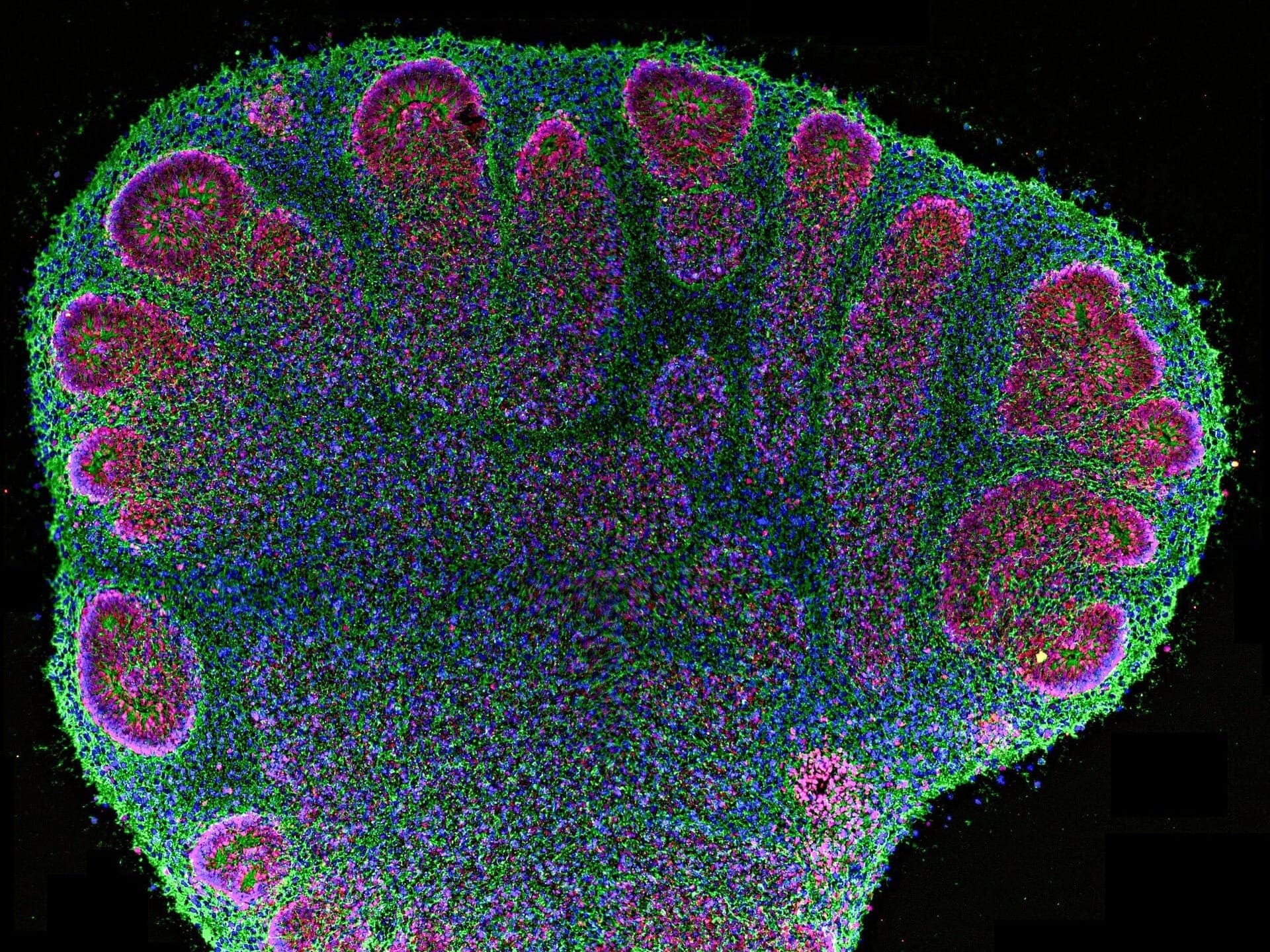
人脑类器官以83%的准确率分类盲文

本文如何被排名

Signal score
33 / 100
Composite score across the factors below. Higher = stronger signal that this story matters right now.
Newsworthiness bucket
Tool
发表了一篇详细介绍新研究发现的科学论文。[lever_c_demoted from research: ic=1 ai=1.0]
Source corroboration
Single-source cluster
Only one publisher covered this so far. Single-source stories can still rank when the publisher is high-authority, but they lack cross-source corroboration.
Topics
paper, other
Editorial topic classification. Feeds into how the story surfaces on /topic/<slug> hub pages and into the per-entity coverage mix.
AI-industry relevance
High
Clearly on-topic for AI-industry coverage.
Story freshness
Breaking (< 6h)
Fresh story with cross-source coverage still developing. Ranking may shift as more sources report.

完整方法见我们的编辑标准。

报道来源 [1]

  1. 404 Media TIER_1 English(EN) · Becky Ferreira ·

    人脑组织计算机识别盲文,取得突破性进展

    Scientists discovered that human brain organoids, which are small neural clusters derived from stem cells, could identify the Braille alphabet with a high degree of accuracy.