PulseAugur
中
实时 12:41:34
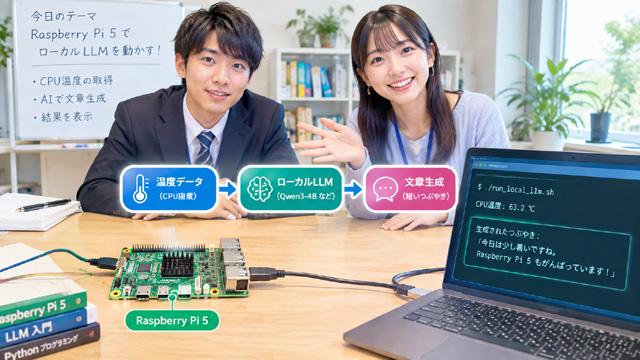
English(EN) I wrote an article about trying out local LLM and CPU temperature sensor on Raspberry Pi. It explains how to generate tweets using a local LLM (Low-Level Module

本地LLM利用树莓派CPU温度生成推文

一篇文章详细介绍了在树莓派上使用本地大型语言模型(LLM)的过程,特别是利用CPU温度传感器数据来生成推文。作者解释了设置过程,并提供了原始日语博客文章和谷歌翻译版本的链接,以供进一步了解实现和代码的详细信息。 AI

影响 展示了本地LLM基于环境数据进行自动化内容生成的创新应用。

排序理由 文章描述了使用现有工具的特定技术实现,而非新发布或重大行业事件。

在 Mastodon — mastodon.social 阅读 →

AI 生成摘要 · Google Gemini · 来自 1 个来源。 我们如何撰写摘要 →
本地LLM利用树莓派CPU温度生成推文

本文如何被排名

Signal score
14 / 100
Composite score across the factors below. Higher = stronger signal that this story matters right now.
Newsworthiness bucket
Tool
文章描述了使用现有工具的特定技术实现,而非新发布或重大行业事件。
Source corroboration
Single-source cluster
Only one publisher covered this so far. Single-source stories can still rank when the publisher is high-authority, but they lack cross-source corroboration.
Topics
product, other
Editorial topic classification. Feeds into how the story surfaces on /topic/<slug> hub pages and into the per-entity coverage mix.
AI-industry relevance
High
Clearly on-topic for AI-industry coverage.
Story freshness
Breaking (< 6h)
Fresh story with cross-source coverage still developing. Ranking may shift as more sources report.

完整方法见我们的编辑标准。

报道来源 [1]

  1. Mastodon — mastodon.social TIER_1 English(EN) · bokunimo ·

    我写了一篇关于在Raspberry Pi上试用本地LLM和CPU温度传感器的文章。文章介绍了如何使用本地LLM(低级模块)生成推文

    I wrote an article about trying out local LLM and CPU temperature sensor on Raspberry Pi. It explains how to generate tweets using a local LLM (Low-Level Module) based on the CPU temperature changes of a Raspberry Pi. Please visit following URL to see the detail of this contents.…