PulseAugur
中
实时 09:20:26
English(EN) 📚Historical bibliographic data can be quite a puzzle. Especially when titles, authors, publishers and other information are all squeezed into a single metadata

BibNER-Werk系统利用AI构建历史书目数据

一个名为BibNER-Werk的新系统已被开发出来,以应对构建历史书目数据的挑战。该系统利用命名实体识别(NER)从单个元数据字段中提取和组织标题、作者和出版商等信息。其目标是将混乱、非结构化的数据转化为可搜索和可连接的格式,特别是针对历史德国目录。 AI

影响 该系统可以提高历史档案的可访问性和可搜索性,为研究人员和图书管理员提供帮助。

排序理由 该条目描述了在会议上展示的一个用于书目数据处理的新系统。[lever_c_demoted from research: ic=1 ai=0.7]

在 Mastodon — mastodon.social 阅读 →

AI 生成摘要 · Google Gemini · 来自 1 个来源。 我们如何撰写摘要 →
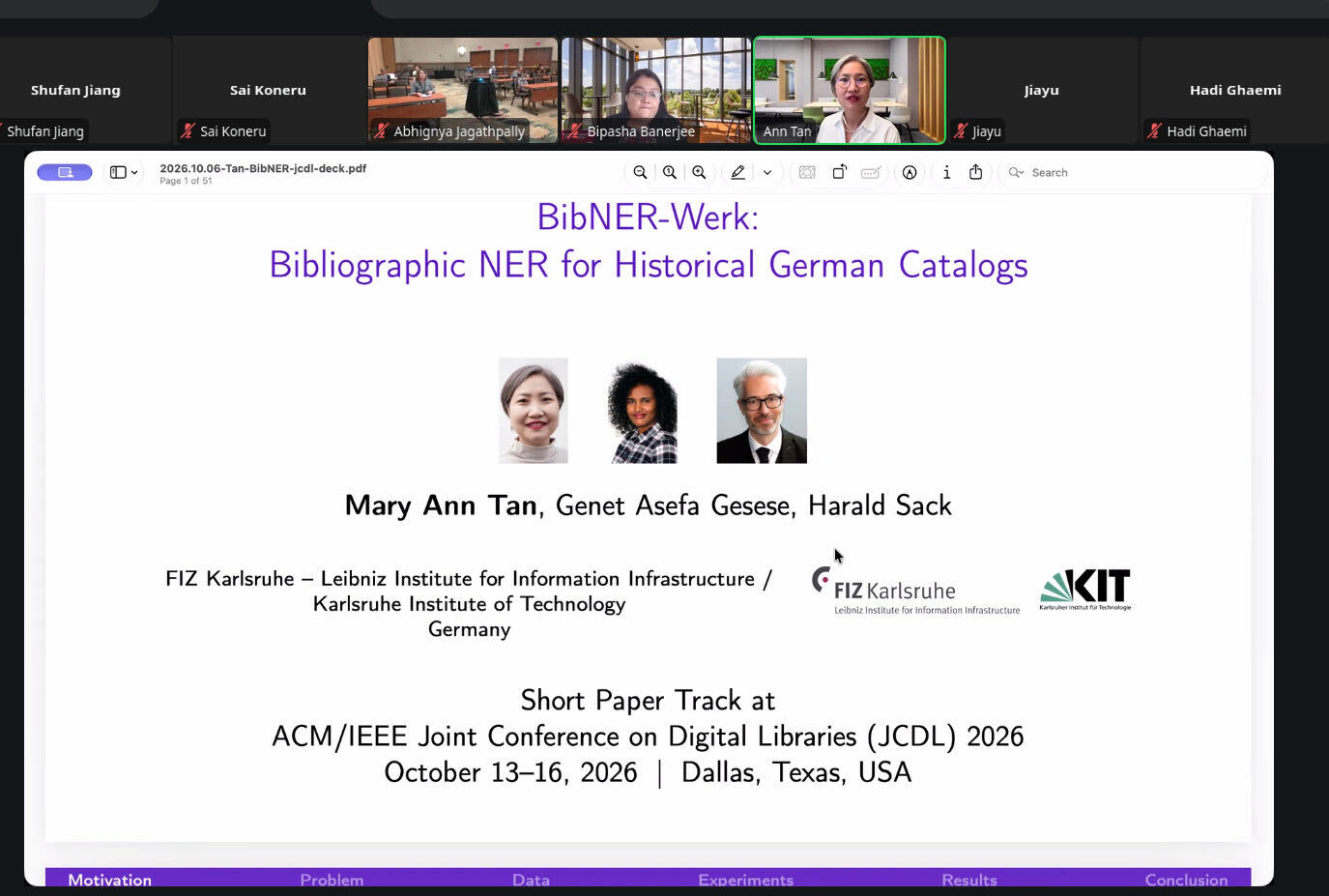
BibNER-Werk系统利用AI构建历史书目数据

本文如何被排名

Signal score
8 / 100
Composite score across the factors below. Higher = stronger signal that this story matters right now.
Newsworthiness bucket
Tool
该条目描述了在会议上展示的一个用于书目数据处理的新系统。[lever_c_demoted from research: ic=1 ai=0.7]
Source corroboration
Single-source cluster
Only one publisher covered this so far. Single-source stories can still rank when the publisher is high-authority, but they lack cross-source corroboration.
Topics
paper, other
Editorial topic classification. Feeds into how the story surfaces on /topic/<slug> hub pages and into the per-entity coverage mix.
AI-industry relevance
High
Clearly on-topic for AI-industry coverage.
Story freshness
Breaking (< 6h)
Fresh story with cross-source coverage still developing. Ranking may shift as more sources report.

完整方法见我们的编辑标准。

报道来源 [1]

  1. Mastodon — mastodon.social TIER_1 English(EN) · [email protected] ·

    📚历史书目数据可能相当棘手。特别是当标题、作者、出版商和其他信息都被挤进单个元数据时

    📚Historical bibliographic data can be quite a puzzle. Especially when titles, authors, publishers and other information are all squeezed into a single metadata field. How can we turn this messy data into structured, searchable and connected information? Our colleague Mary Ann Tan…