PulseAugur
中
实时 01:24:45
English(EN) Trillions of ‘ghost particles’ pass through your body every second. The scientist who hunts them just won the Nobel Prize

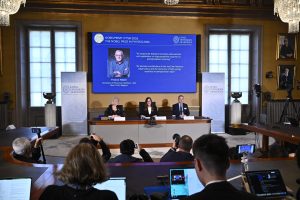
Francis Halzen因中微子研究荣获诺贝尔物理学奖

Francis Halzen因其在中微子天文学领域的开创性工作而获得诺贝尔物理学奖,特别是在IceCube中微子天文台的开发中发挥了关键作用。该天文台位于南极,利用广阔的冰盖作为探测器,捕捉中微子罕见的碰撞,使科学家能够研究这些难以捉摸的粒子,并深入了解宇宙的演化。该奖项认可了Halzen通过其最小的组成部分对理解宇宙所做的重大贡献。 AI

排序理由 因科学研究而颁发诺贝尔奖。[lever_c_demoted from research: ic=1 ai=0.1]

在 Fortune 阅读 →

AI 生成摘要 · Google Gemini · 来自 1 个来源。 我们如何撰写摘要 →
Francis Halzen因中微子研究荣获诺贝尔物理学奖

本文如何被排名

Signal score
1 / 100
Composite score across the factors below. Higher = stronger signal that this story matters right now.
Newsworthiness bucket
Tool
因科学研究而颁发诺贝尔奖。[lever_c_demoted from research: ic=1 ai=0.1]
Source corroboration
Single-source cluster
Only one publisher covered this so far. Single-source stories can still rank when the publisher is high-authority, but they lack cross-source corroboration.
Topics
paper, other
Editorial topic classification. Feeds into how the story surfaces on /topic/<slug> hub pages and into the per-entity coverage mix.
AI-industry relevance
Low
Off-topic or adjacent — cluster remains reachable but doesn't surface in AI-industry rankings.
Story freshness
Same-day
Cluster formed today. Ranking reflects the current source set at time of score.

完整方法见我们的编辑标准。

报道来源 [1]

  1. Fortune TIER_1 English(EN) · Kostya Manenkov, Adithi Ramakrishnan, Stefanie Dazio ·

    每秒有数万亿个“幽灵粒子”穿过你的身体。追捕它们的那位科学家刚刚获得了诺贝尔奖

    Francis Halzen turned Antarctic ice into a giant detector for elusive neutrinos, with sensors buried 8,200 feet below the surface.