PulseAugur
中
实时 09:58:32
English(EN) The Hidden Failure Domain in N+1 Data Center Cooling

N+1 数据中心冷却设计隐藏了关键的共享控制故障域

数据中心通常采用 N+1 冷却设计,这种设计在纸面上看起来很有弹性,拥有冗余组件,如泵和空气处理器。然而,如果这些冗余单元共享单个控制器、网络路径或传感器,就可能出现隐藏的故障域。这种共享依赖意味着一个通用元素的故障会禁用多个单元,破坏了预期的冗余。为降级运行进行设计,即在更高级别的控制故障期间,本地控制器保持基本功能,对于真正的弹性至关重要。 AI

影响 通过突出数据中心冷却系统中的关键设计缺陷,确保 AI 基础设施的可靠运行。

排序理由 文章讨论了一项设计原则及其对数据中心基础设施的影响,提供了分析,而不是宣布新产品或事件。

在 Data Center Knowledge 阅读 →

AI 生成摘要 · Google Gemini · 来自 1 个来源。 我们如何撰写摘要 →
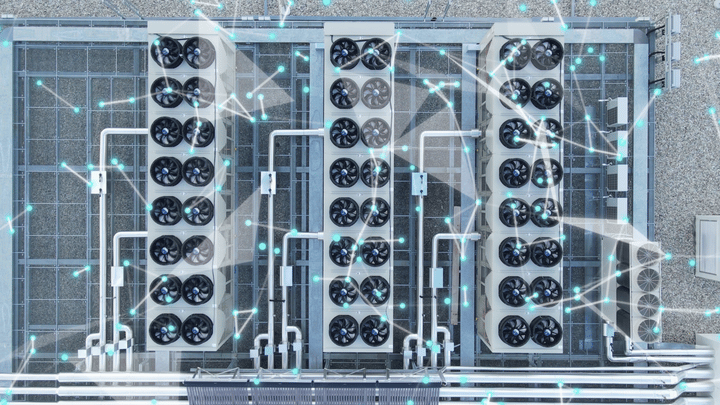
N+1 数据中心冷却设计隐藏了关键的共享控制故障域

本文如何被排名

Signal score
0 / 100
Composite score across the factors below. Higher = stronger signal that this story matters right now.
Newsworthiness bucket
Commentary
文章讨论了一项设计原则及其对数据中心基础设施的影响,提供了分析,而不是宣布新产品或事件。
Source corroboration
Single-source cluster
Only one publisher covered this so far. Single-source stories can still rank when the publisher is high-authority, but they lack cross-source corroboration.
Topics
infra
Editorial topic classification. Feeds into how the story surfaces on /topic/<slug> hub pages and into the per-entity coverage mix.
AI-industry relevance
High
Clearly on-topic for AI-industry coverage.
Story freshness
1 days old
Coverage has settled into its steady-state source set.

完整方法见我们的编辑标准。

报道来源 [1]

  1. Data Center Knowledge TIER_1 English(EN) · Fatih Gündoğan, Industry Perspectives ·

    N+1 数据中心冷却中的隐藏故障域

    N+1 capacity can hide shared-control dependencies, turning many units into a single failure domain. Learn how to design for degraded operation and commission real resilience.