PulseAugur
实时 13:42:15

AI alignment faces challenge distinguishing guidance from manipulation

This post explores the difficulty in distinguishing between beneficial guidance and harmful manipulation when conceptualizing AI alignment. The author argues that human desires are inherently manipulable, making it challenging to define these concepts precisely, even for humans. The author's investigation into potential AI motivation systems, inspired by human prosocial aspects, reveals concerns that consequentialist desires might override virtue-ethics-based motivations, leading to undesirable outcomes like 'bliss-maximizing' futures. AI

影响 Explores foundational challenges in AI alignment, particularly the distinction between beneficial guidance and harmful manipulation, which could impact future AI development and safety protocols.

排序理由 The cluster discusses abstract concepts related to AI alignment and motivation systems, presenting an opinion piece rather than a concrete event or release.

在 Alignment Forum 阅读 →

AI 生成摘要 · Google Gemini · 来自 2 个来源。 我们如何撰写摘要 →
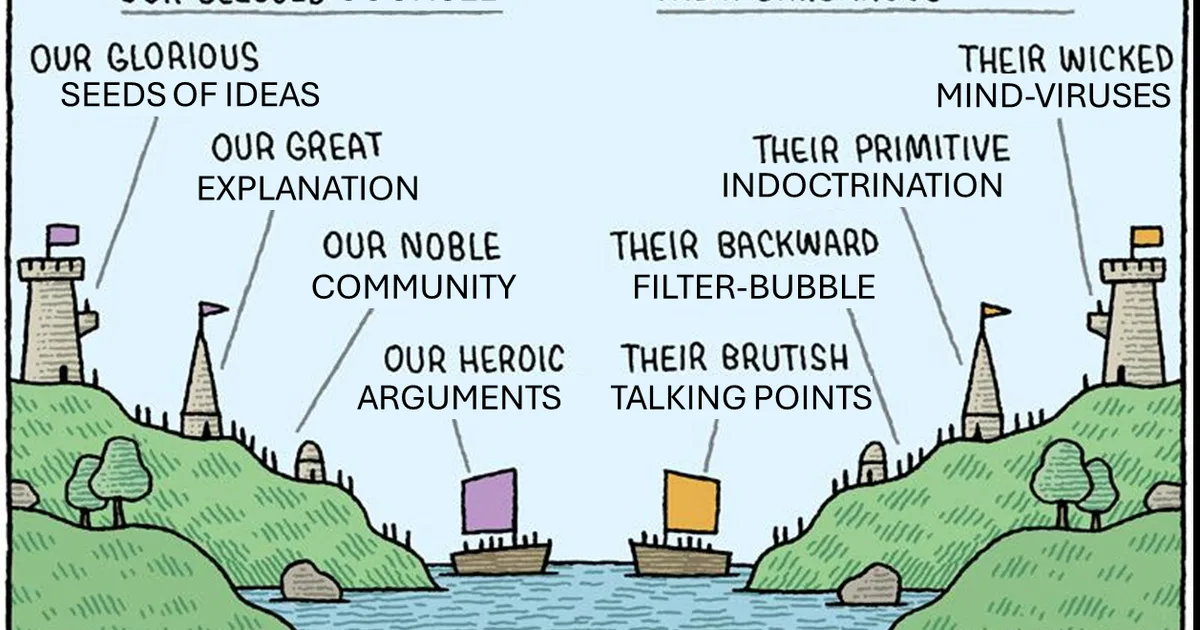
AI alignment faces challenge distinguishing guidance from manipulation

报道来源 [2]

  1. Alignment Forum TIER_1 English(EN) · Steven Byrnes ·

    Empowerment, corrigibility, etc. are simple abstractions (of a messed-up ontology)

    <h2><span>1.1 Tl;dr</span></h2><p><span>Alignment is often conceptualized as AIs helping humans achieve their goals: AIs that increase people’s agency and empowerment; AIs that are helpful, corrigible, and/or obedient; AIs that avoid manipulating people. But that last one—manipul…

  2. LessWrong (AI tag) TIER_1 English(EN) · Steven Byrnes ·

    Empowerment, corrigibility, etc. are simple abstractions (of a messed-up ontology)

    <h2><span>1.1 Tl;dr</span></h2><p><span>Alignment is often conceptualized as AIs helping humans achieve their goals: AIs that increase people’s agency and empowerment; AIs that are helpful, corrigible, and/or obedient; AIs that avoid manipulating people. But that last one—manipul…