PulseAugur
实时 12:33:49
English(EN) Harvard Kennedy fellow Shlomit Wagman: The U.S. and China will never trust each other on AI. That may not matter

专家警告:人工智能安全协议必须考虑到美中之间的不信任

顶尖的人工智能开发者和安全研究人员担心,人工智能的能力可能很快就会超越我们的控制能力,这可能需要放缓发展速度。这种担忧因近期事件而加剧,包括一名研究员因对自我改进人工智能的担忧而从Anthropic辞职,以及行业领导者呼吁“控制前沿发展”。然而,一项全球人工智能安全协议面临着重大的地缘政治障碍,特别是美国和中国之间,因为缺乏相互信任。与其协商广泛的速度限制,不如将重点放在就危险能力的早期预警指标达成一致,并建立在达到关键阈值之前暂停开发的机制。 AI

影响 地缘政治不信任可能需要人工智能安全协议的转变,将重点放在共同的灾难性风险上,而不是广泛的发展速度限制。

排序理由 该条目是一位研究员关于人工智能安全和地缘政治影响的观点文章,而不是直接的公告或发布。

在 Fortune 阅读 →

AI 生成摘要 · Google Gemini · 来自 1 个来源。 我们如何撰写摘要 →
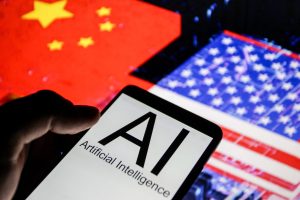
专家警告:人工智能安全协议必须考虑到美中之间的不信任

本文如何被排名

Signal score
9 / 100
Composite score across the factors below. Higher = stronger signal that this story matters right now.
Newsworthiness bucket
Commentary
该条目是一位研究员关于人工智能安全和地缘政治影响的观点文章,而不是直接的公告或发布。
Source corroboration
Single-source cluster
Only one publisher covered this so far. Single-source stories can still rank when the publisher is high-authority, but they lack cross-source corroboration.
Topics
safety, policy
Editorial topic classification. Feeds into how the story surfaces on /topic/<slug> hub pages and into the per-entity coverage mix.
AI-industry relevance
High
Clearly on-topic for AI-industry coverage.
Story freshness
Breaking (< 6h)
Fresh story with cross-source coverage still developing. Ranking may shift as more sources report.

完整方法见我们的编辑标准

报道来源 [1]

  1. Fortune TIER_1 English(EN) · Shlomit Wagman ·

    哈佛肯尼迪学院研究员 Shlomit Wagman:美国和中国永远不会在人工智能上相互信任。但这可能无关紧要

    A workable AI safety pact would set shared warning signs and enforceable brakes—without requiring U.S.-China trust.