PulseAugur
实时 05:22:56

LSTM networks overcome RNN memory limitations with gating mechanisms

The Long Short-Term Memory (LSTM) network was developed to address the limitations of traditional Recurrent Neural Networks (RNNs) in handling sequential data. Vanilla RNNs struggle with remembering information over long periods due to the vanishing gradient problem during training. LSTMs introduce a more complex internal structure with gates that allow them to selectively remember or forget information, thereby overcoming the limitations of RNNs and improving performance on tasks like language modeling and time series forecasting. AI

影响 Explains the core mechanism that enabled significant advances in sequence modeling, forming the basis for many modern NLP tasks.

排序理由 The article explains a foundational concept in machine learning research, detailing the architecture and purpose of LSTMs in relation to RNNs. [lever_c_demoted from research: ic=1 ai=1.0]

在 Towards AI 阅读 →

AI 生成摘要 · Google Gemini · 来自 1 个来源。 我们如何撰写摘要 →
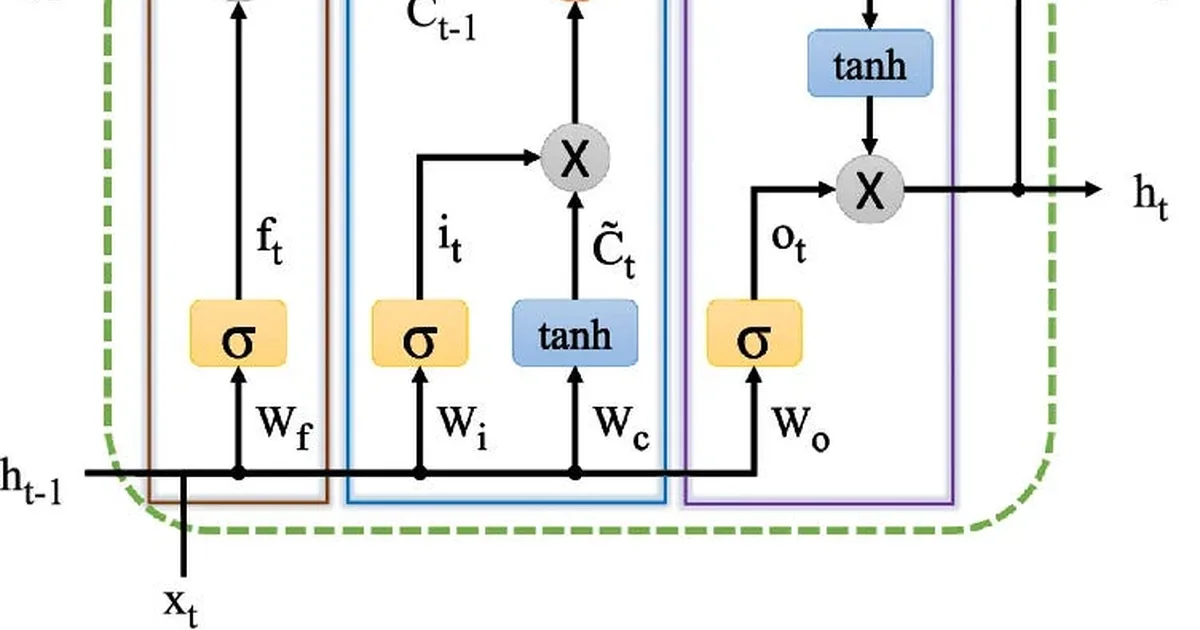
LSTM networks overcome RNN memory limitations with gating mechanisms

报道来源 [1]

  1. Towards AI TIER_1 English(EN) · Alok Ranjan Singh ·

    LSTM: Why It Was Born, How It Fixes RNN, and Why It Changed Sequence Learning

    <blockquote>Sequence data is messy. Words depend on earlier words, notes depend on earlier notes, signals depend on earlier signals, and the past has this annoying habit of refusing to stay irrelevant. That is exactly why recurrent models exist in the first place.</blockquote><bl…