PulseAugur
中
实时 00:01:41
English(EN) Princeton’s ‘AI Snake Oil’ author says the real fear isn’t thinking machines—it’s that AI exposes who already knows how to think

普林斯顿大学教授:AI 的真正威胁在于暴露人类预测能力的局限,而非其产生意识

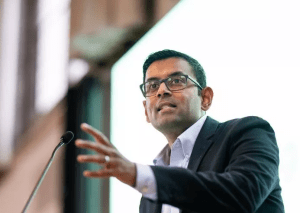
《AI 骗局》的合著者 Arvind Narayanan 认为,围绕 AI 的主要担忧并非机器产生意识,而是这项技术暴露了现有的不平等和人类预测能力的局限。他认为,虽然生成式 AI 在研究和分析等任务中为知识工作者提供了显著的效用,但其他 AI 应用,尤其是在招聘、医疗保健和刑事司法等高风险决策中使用的 AI 应用,往往不可靠,并可能导致不公平的结果。Narayanan 还强调了工人被降级为“杂务工作”或成为“道德缓冲器”的风险,在这种情况下,他们会为自己无法完全控制的自动化系统的失败承担责任。 AI

影响 强调了对 AI 在高风险预测中的使用以及工人可能因自动化系统故障而受到指责的担忧。

排序理由 一篇由知名可信人士发表的关于 AI 社会影响的观点文章。

在 Fortune 阅读 →

AI 生成摘要 · Google Gemini · 来自 1 个来源。 我们如何撰写摘要 →
普林斯顿大学教授:AI 的真正威胁在于暴露人类预测能力的局限,而非其产生意识

本文如何被排名

Signal score
0 / 100
Composite score across the factors below. Higher = stronger signal that this story matters right now.
Newsworthiness bucket
Commentary
一篇由知名可信人士发表的关于 AI 社会影响的观点文章。
Source corroboration
Single-source cluster
Only one publisher covered this so far. Single-source stories can still rank when the publisher is high-authority, but they lack cross-source corroboration.
Topics
opinion, product, policy
Editorial topic classification. Feeds into how the story surfaces on /topic/<slug> hub pages and into the per-entity coverage mix.
AI-industry relevance
High
Clearly on-topic for AI-industry coverage.
Story freshness
48 days old
Aged out of breaking-news scoring windows; ranking reflects the durable signal from the full source set.

完整方法见我们的编辑标准。

报道来源 [1]

  1. Fortune TIER_1 English(EN) · Nick Lichtenberg ·

    普林斯顿大学《AI 骗局》一书的作者表示,真正的恐惧并非来自会思考的机器——而是 AI 揭示了谁已经知道如何思考

    Princeton's Arvind Narayanan says his students are "in a bind." How much should they use AI versus resist it to build up their own skills?