PulseAugur
中
实时 09:36:19
English(EN) The gilded cage: Why Gen Z’s favorite escape is the era that looks most like now

Z世代对20世纪初的怀旧情绪源于现代的混乱

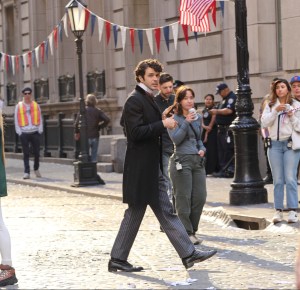
Z世代正在经历一种被称为“怀旧症”(anemoia)的现象,即对他们未曾经历过的时代的怀旧,尤其关注20世纪初。这种趋势源于对控制感、质感和慢节奏的渴望,而他们觉得在当今贫富差距悬殊和技术颠覆的时代,这些品质都已缺失。这个被想象出来的过去,通过#OldMoney等美学和《布里奇顿》、《镀金时代》等剧集被浪漫化,与那个时代自身的社会混乱相呼应,为正在应对类似现代挑战的一代人提供了逃避的出口。 AI

排序理由 这篇文章是一篇分析Z世代文化趋势的观点文章,而不是报道具体的事件或发布。

在 Fortune 阅读 →

AI 生成摘要 · Google Gemini · 来自 1 个来源。 我们如何撰写摘要 →
Z世代对20世纪初的怀旧情绪源于现代的混乱

本文如何被排名

Signal score
0 / 100
Composite score across the factors below. Higher = stronger signal that this story matters right now.
Newsworthiness bucket
Commentary
这篇文章是一篇分析Z世代文化趋势的观点文章,而不是报道具体的事件或发布。
Source corroboration
Single-source cluster
Only one publisher covered this so far. Single-source stories can still rank when the publisher is high-authority, but they lack cross-source corroboration.
Topics
opinion, other
Editorial topic classification. Feeds into how the story surfaces on /topic/<slug> hub pages and into the per-entity coverage mix.
AI-industry relevance
Low
Off-topic or adjacent — cluster remains reachable but doesn't surface in AI-industry rankings.
Story freshness
54 days old
Aged out of breaking-news scoring windows; ranking reflects the durable signal from the full source set.

完整方法见我们的编辑标准。

报道来源 [1]

  1. Fortune TIER_1 English(EN) · Nick Lichtenberg ·

    镀金的牢笼:为什么Z世代最爱的逃避是看起来最像现在的时代

    Tradwives, old money, homesteading, even bird watching. Why does Gen Z want to turn the clock back 100 years?