PulseAugur
实时 15:14:42
English(EN) Boffins peg narcissistic leadership as the real driver behind 'return to office' demands

分析表明,驱动重返办公室的是自恋型领导力,而非AI

最近的一项分析表明,自恋型领导力是推动员工重返办公室的主要原因,而不是人工智能的感知威胁。这一观点挑战了人工智能自动化导致公司召回劳动力的普遍说法。此外,文章还提到了日本到2040年部署1000万台机器人(其中一些用于医疗护理)的宏伟目标,这可能利用了人工智能的进步。 AI

影响 表明人工智能不是重返办公室政策的主要驱动因素,而是将重点转移到领导风格上。

排序理由 文章提出了一个分析领导风格及其对工作场所政策影响的观点文章,而不是报道新的人工智能发布或重大的行业事件。

在 The Register — AI 阅读 →

AI 生成摘要 · Google Gemini · 来自 1 个来源。 我们如何撰写摘要 →
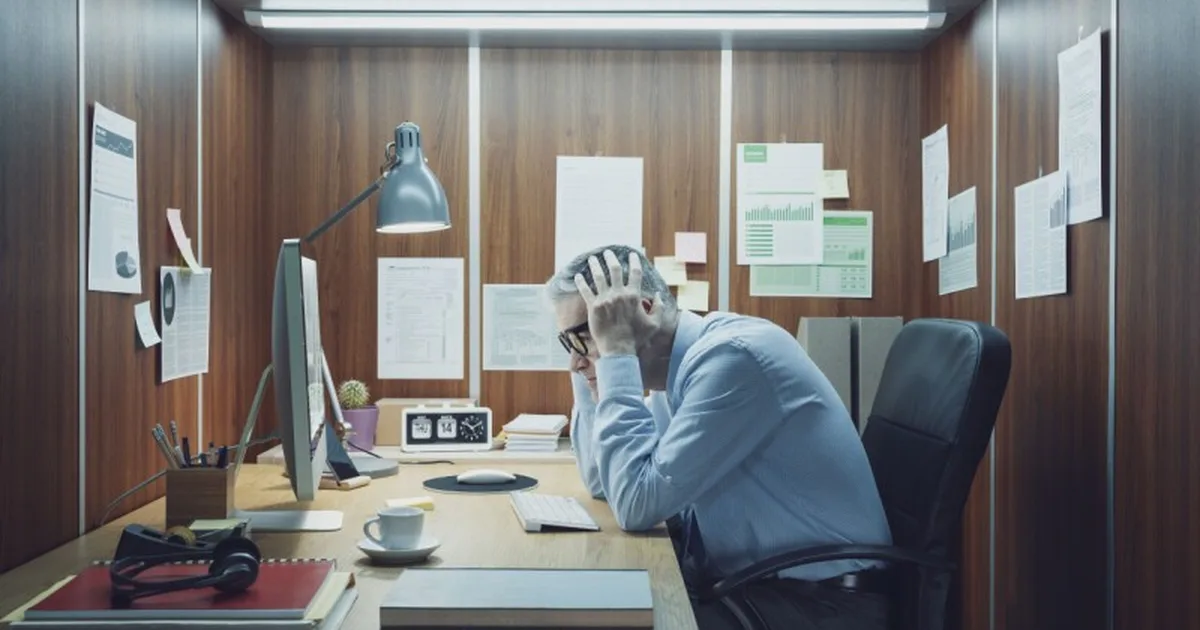
分析表明,驱动重返办公室的是自恋型领导力,而非AI

本文如何被排名

Signal score
0 / 100
Composite score across the factors below. Higher = stronger signal that this story matters right now.
Newsworthiness bucket
Commentary
文章提出了一个分析领导风格及其对工作场所政策影响的观点文章,而不是报道新的人工智能发布或重大的行业事件。
Source corroboration
Single-source cluster
Only one publisher covered this so far. Single-source stories can still rank when the publisher is high-authority, but they lack cross-source corroboration.
Topics
opinion, policy
Editorial topic classification. Feeds into how the story surfaces on /topic/<slug> hub pages and into the per-entity coverage mix.
AI-industry relevance
Standard
On-topic for AI-industry coverage; kept in the public index.
Story freshness
63 days old
Aged out of breaking-news scoring windows; ranking reflects the durable signal from the full source set.

完整方法见我们的编辑标准

报道来源 [1]

  1. The Register — AI TIER_1 English(EN) ·

    专家认为自恋型领导力是“重返办公室”要求的真正驱动因素

    It's not about productivity; it's about bosses missing their daily ego fix