PulseAugur
实时 10:04:46
English(EN) So it turns out that you do indeed stand on the shoulders of giants. I thought "Surely some great minds have given thought on decomposing large LLM prompts into

研究人员探索将LLM提示分解为DAG

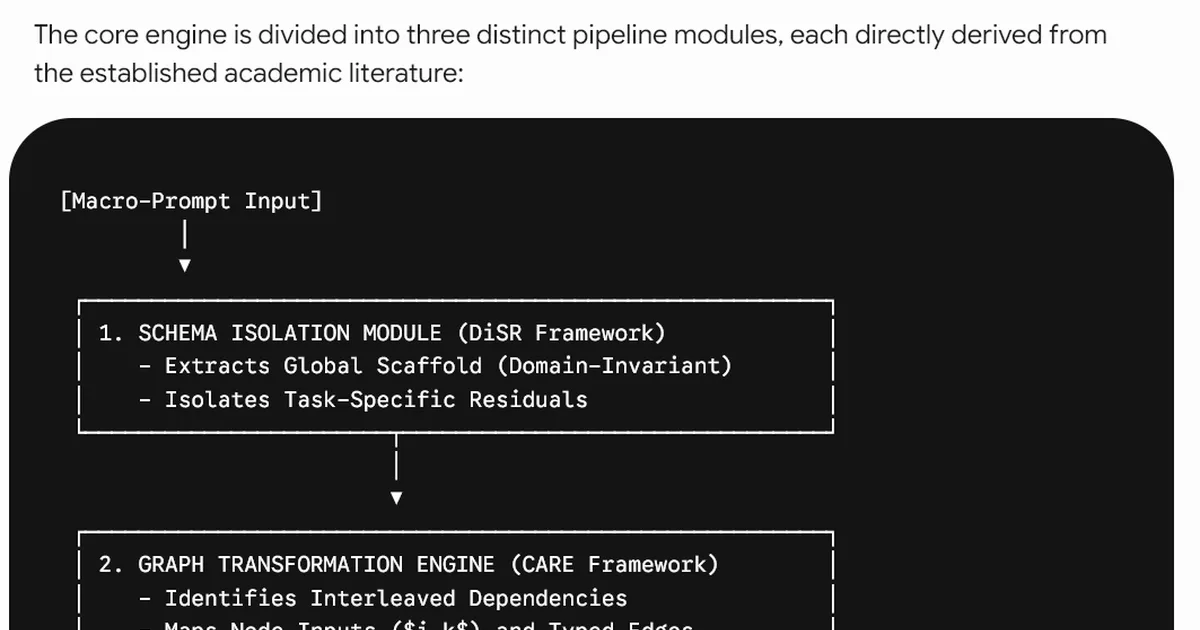
研究人员正在探索将大型语言模型提示分解为更小、可管理单元的方法,形成一个由子任务组成的有向无环图(DAG)。这种方法旨在通过将复杂的宏提示转换为确定性的、高效的结构来优化提示执行。这项工作建立在提示分解和人工智能研究的现有文献之上。 AI

影响 这项研究通过将复杂的LLM任务分解为优化的子问题,有可能实现更高效、更可靠的执行。

排序理由 该项目讨论了LLM提示分解的研究,属于研究类别。[lever_c_demoted from research: ic=1 ai=1.0]

在 Mastodon — mastodon.social 阅读 →

AI 生成摘要 · Google Gemini · 来自 1 个来源。 我们如何撰写摘要 →
研究人员探索将LLM提示分解为DAG

报道来源 [1]

  1. Mastodon — mastodon.social TIER_1 English(EN) · [email protected] ·

    So it turns out that you do indeed stand on the shoulders of giants. I thought "Surely some great minds have given thought on decomposing large LLM prompts into

    So it turns out that you do indeed stand on the shoulders of giants. I thought "Surely some great minds have given thought on decomposing large LLM prompts into individual WU (Working units" and there is a bit of literature on prompt de-composition into DAGs... High-complexity ma…