PulseAugur
EN
LIVE 21:37:28

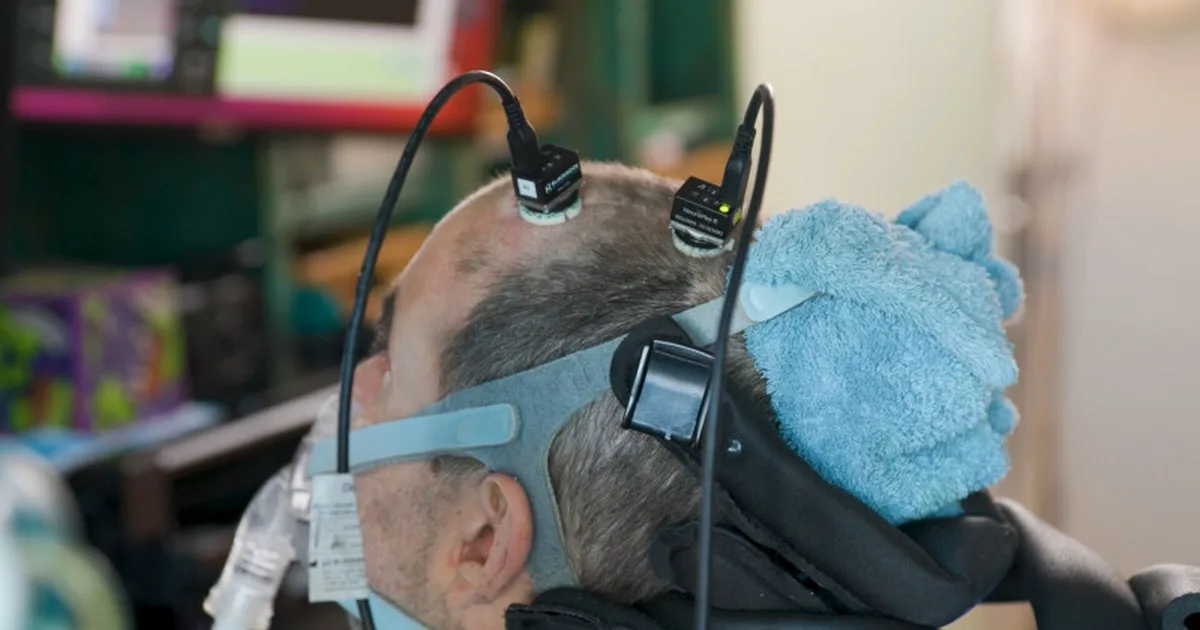
AI translates brain signals for ALS patient to work full-time

Researchers at the University of California, Davis, have developed a machine learning system that translates brain activity into text with 92% accuracy. This breakthrough allows an individual with Amyotrophic Lateral Sclerosis (ALS) to communicate effectively and work a full-time job. The system leverages existing brain-computer interface hardware combined with advanced AI algorithms to interpret neural signals. AI

IMPACT Enables individuals with severe communication impairments to regain productivity and independence.

RANK_REASON The cluster describes a research breakthrough in AI and BCI technology enabling a specific user case. [lever_c_demoted from research: ic=1 ai=1.0]

Read on The Register — AI →

AI-generated summary · Google Gemini · from 1 sources. How we write summaries →
AI translates brain signals for ALS patient to work full-time

How we ranked this

Signal score
0 / 100
Composite score across the factors below. Higher = stronger signal that this story matters right now.
Newsworthiness bucket
Tool
The cluster describes a research breakthrough in AI and BCI technology enabling a specific user case. [lever_c_demoted from research: ic=1 ai=1.0]
Source corroboration
Single-source cluster
Only one publisher covered this so far. Single-source stories can still rank when the publisher is high-authority, but they lack cross-source corroboration.
Topics
product, other
Editorial topic classification. Feeds into how the story surfaces on /topic/<slug> hub pages and into the per-entity coverage mix.
AI-industry relevance
High
Clearly on-topic for AI-industry coverage.
Story freshness
102 days old
Aged out of breaking-news scoring windows; ranking reflects the durable signal from the full source set.

Full methodology in our editorial standards.

COVERAGE [1]

  1. The Register — AI TIER_1 English(EN) ·

    AI and brain-computer interface allow speechless ALS patient to work a full-time job

    The hardware isn't new, but a UC Davis research team's machine learning-powered method of translating brain activity in an ALS patient into sentences with 92% accuracy is