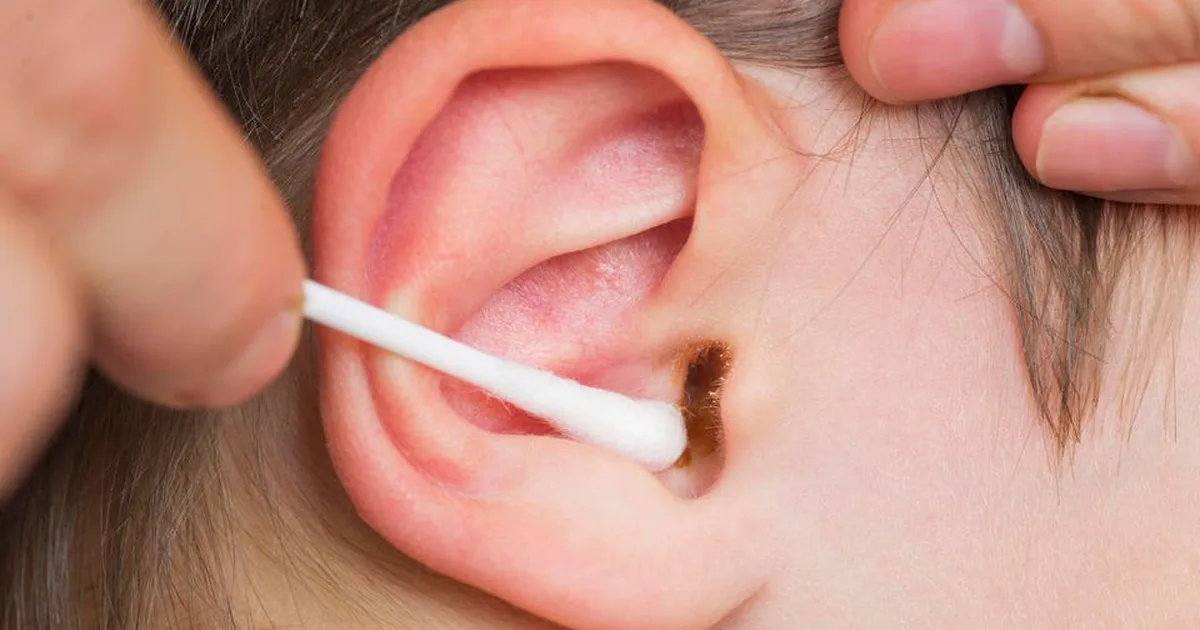
Earwax, or cerumen, is a protective substance manufactured by glands in the ear canal, not a waste product. It serves to deter microbial growth, trap debris, and repel water, with jaw movements facilitating its natural expulsion. Genetic variations, primarily linked to the ABCC11 gene, determine whether an individual produces sticky, wet earwax or dry, flaky earwax, a trait with a distinct geographical distribution. AI
RANK_REASON Article explains biological functions and genetic variations of a common bodily substance, drawing on scientific studies.
- cerumen
- Forbes
- Journal of Inherited Metabolic Disease
- Molecular Biology and Evolution
- Nature Genetics
AI-generated summary · Google Gemini · from 1 sources. How we write summaries →