PulseAugur / Brief
EN
LIVE 09:20:07

Brief

last 24h
[2/2] 221 sources

Multi-source AI news clustered, deduplicated, and scored 0–100 across authority, cluster strength, headline signal, and time decay.

  1. First ever Cray T3D Supercomputer goes up for auction with $81,000 reserve — Europe’s fastest supercomputer in June 1996 goes on the block

    The first Cray T3D supercomputer ever manufactured, serial number 6001, is currently up for auction with a starting bid of approximately $81,000. This particular machine, nicknamed 'Typhoon,' was once Europe's fastest supercomputer in June 1996 and was installed at Edinburgh University. The T3D represents a significant shift for Cray into massively parallel supercomputing, moving away from traditional vector systems. The auction also includes two other Cray supercomputers: a Triton T-932 and a Y-MP4E. AI
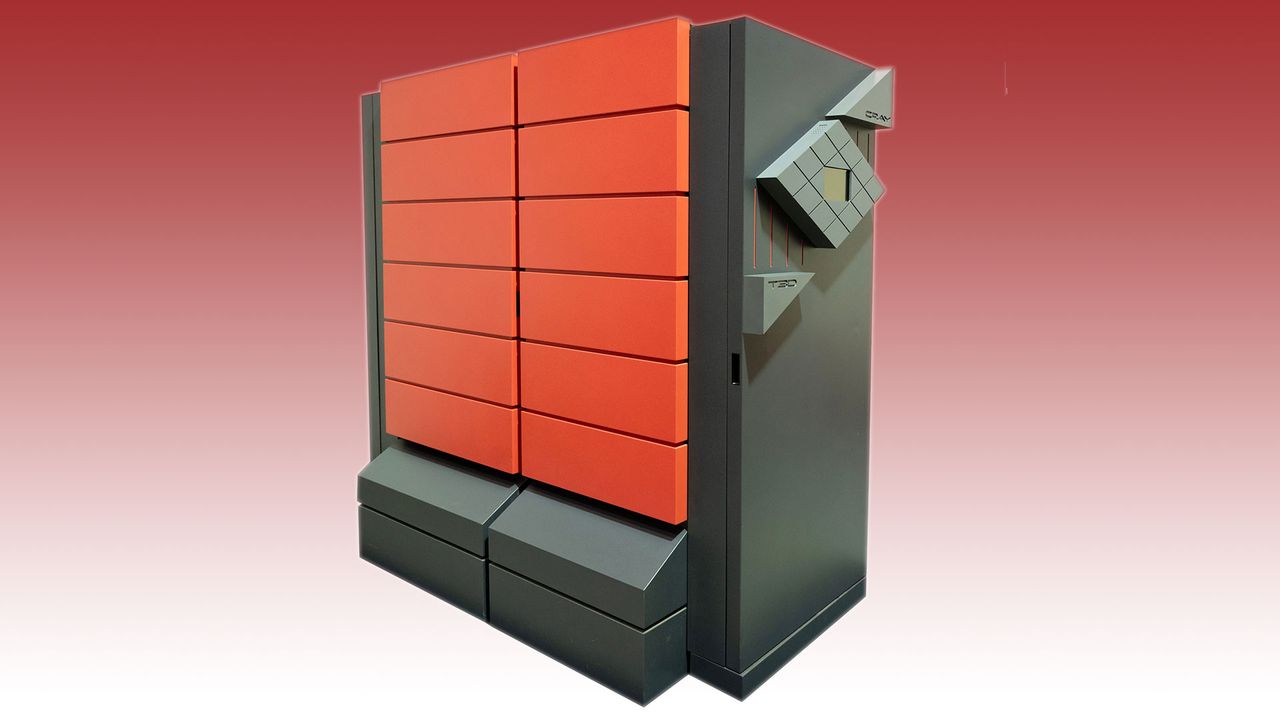
    First ever Cray T3D Supercomputer goes up for auction with $81,000 reserve — Europe’s fastest supercomputer in June 1996 goes on the block
  2. Accelerating discovery of liver disease mechanisms

    Google DeepMind's Co-Scientist platform is accelerating biomedical research by helping scientists sift through vast amounts of literature to identify novel hypotheses and potential drug combinations. A bioengineer at the University of Edinburgh used Co-Scientist to investigate metabolic dysfunction-associated steatohepatitis (MASH), a complex liver disease. The system helped pinpoint the NLRP3 inflammasome as a key molecular link in MASH, a hypothesis that was later experimentally verified and could lead to new targeted therapies. AI

    Accelerating discovery of liver disease mechanisms

    IMPACT AI tools like Co-Scientist can significantly accelerate scientific discovery by synthesizing complex data and generating novel hypotheses, potentially leading to faster development of treatments for diseases.