PulseAugur / Brief
LIVE 18:08:27

Brief

last 24h
[25/25] 186 sources

Multi-source AI news clustered, deduplicated, and scored 0–100 across authority, cluster strength, headline signal, and time decay.

  1. The Request Is the Wrong Unit of Scale for LLMs on Kubernetes

    The traditional web application scaling model, which relies on request counts, is insufficient for serving large language models (LLMs). LLM workloads vary significantly in complexity based on the number of input and output tokens, not just the number of HTTP requests. This distinction is crucial because input tokens impact the time to first token, while output tokens affect the overall processing time and system capacity, leading to potential performance issues even when request metrics appear stable. AI

    The Request Is the Wrong Unit of Scale for LLMs on Kubernetes

    IMPACT Highlights the need for new scaling metrics beyond request counts for efficient LLM deployment.
  2. Gongyuan Co., Ltd.: Currently has not yet deployed production of PFA, PVDF pipes, valves, and related components

    Gongyuan Co., Ltd. stated that it has not yet entered the production of PFA, PVDF, and related components, focusing instead on PVC, PPR, and PE pipe fittings. Meanwhile, Yingjie Electric announced its radio frequency power supplies are integrated into the supply chains of leading domestic storage companies and are being used in semiconductor manufacturing processes. The company is expanding its production capacity to meet industry growth and is working with major semiconductor equipment manufacturers and wafer fabs. AI

    IMPACT Provides updates on semiconductor supply chain components and AI product user numbers, offering insights into industry infrastructure and adoption.

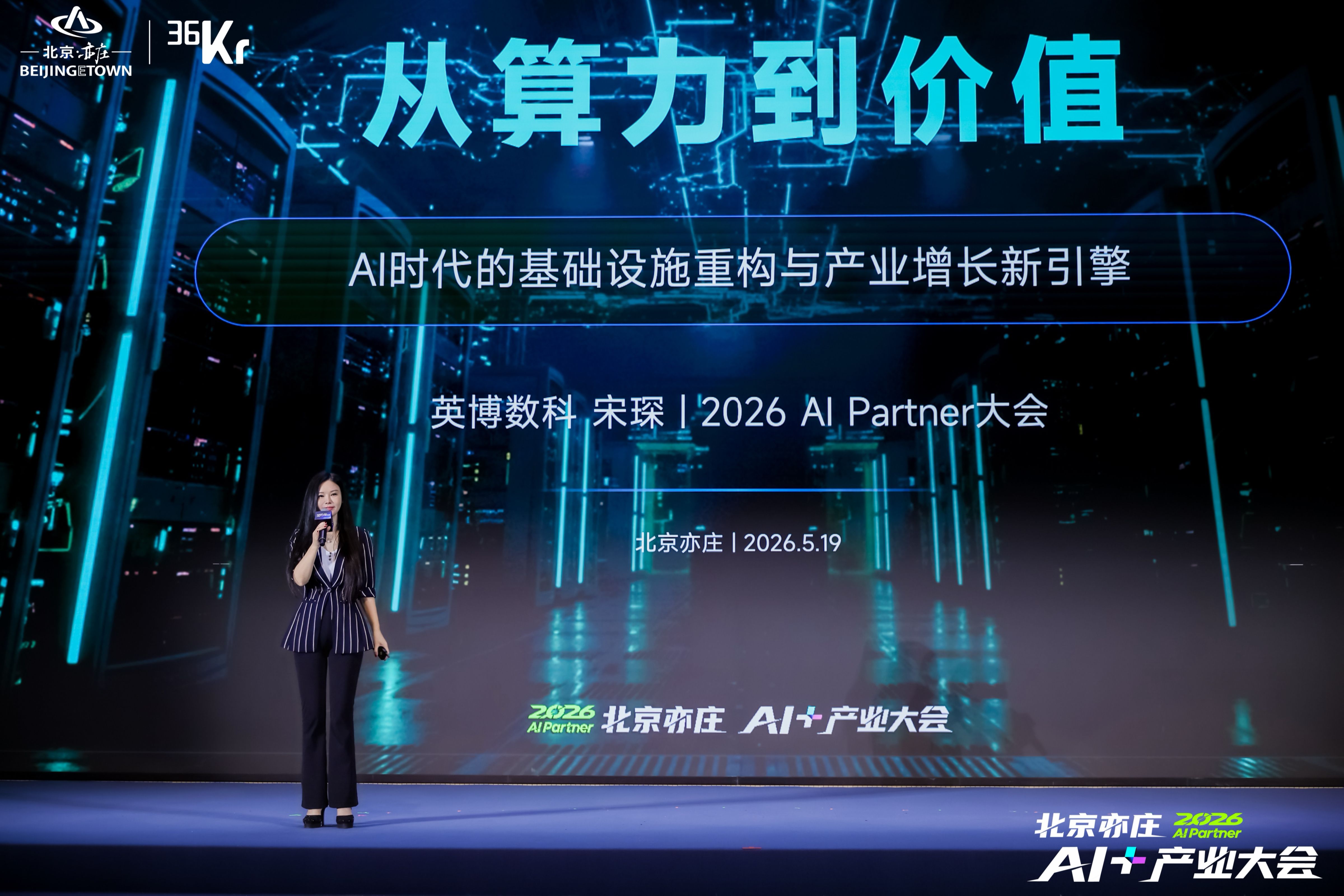
  3. From Computing Power to Value: Infrastructure Reconstruction and New Engine for Industrial Growth in the AI Era | 2026 AI Partner · Beijing Yizhuang AI+ Industry Conference

    The AI industry is shifting its focus from model parameters to computational efficiency, with "token economics" emerging as a new value unit. This transition is driving demand for "token factories" – intelligent computing centers optimized for inference, which is projected to consume significantly more power than training. Beijing Yingbo Digital Technology Co., Ltd. positions itself as a full-stack builder of these token factories, offering integrated solutions from planning to delivery and flexible billing models. AI

    From Computing Power to Value: Infrastructure Reconstruction and New Engine for Industrial Growth in the AI Era | 2026 AI Partner · Beijing Yizhuang AI+ Industry Conference

    IMPACT Highlights the shift towards inference optimization and the rise of token economics, impacting infrastructure providers and AI service pricing.

  4. MCP Is a Protocol, Not a Platform

    The Model Context Protocol (MCP) has standardized how AI models interact with tools, resolving the issue of disparate tool-calling formats across different agent frameworks. While MCP successfully created a universal interface for models and tools, it functions solely as a wire protocol, not a complete platform. This means crucial production elements like user authentication, authorization, logging, secrets management, and scalability are not addressed by the protocol itself, leaving significant development work for teams aiming to deploy MCP servers in real-world applications. AI

    IMPACT Clarifies the practical limitations of the Model Context Protocol, guiding developers on essential production-level considerations beyond the core standard.

  5. SenseTime Guoxiang Capital Partner Li Yang: GPU Valuations Double, RISC-V Takes Center Stage, How Can Capital Lock in Certainty?

    Li Yang, a partner at SenseTime Guoxiang Capital, discusses the AI chip investment landscape, emphasizing that product definition and future use cases are more critical than technology alone. He highlights the shift from cloud GPUs to edge AI chips and the rise of RISC-V, noting that successful investments depend on identifying genuine market needs and long-term trends. Li shares insights from their investment in Maxio (大普微), a server SSD manufacturer, which succeeded by focusing on a complete product offering to meet the demand for domestic alternatives in servers and data centers. AI

    SenseTime Guoxiang Capital Partner Li Yang: GPU Valuations Double, RISC-V Takes Center Stage, How Can Capital Lock in Certainty?

    IMPACT Provides insights into investment strategies for AI hardware, guiding future capital allocation in the sector.

  6. DBT + Databricks in Production: Lessons From Scaling Analytics in Enterprise Environments

    This article details the challenges and solutions for implementing dbt and Databricks in large enterprise analytics environments. It highlights how initial proofs-of-concept can mask complexities that emerge at production scale, particularly concerning cost optimization, governance, and auditability. The piece offers insights for data platform leads, analytics engineers, and architects on building reliable and cost-efficient data pipelines within these demanding contexts. AI

    DBT + Databricks in Production: Lessons From Scaling Analytics in Enterprise Environments

    IMPACT Discusses the application of data analytics tools in enterprise settings, with indirect relevance to AI/ML workflows.

  7. ​From Intelligence To Impact: How Connected Reporting And Dynamic Waterfalls Are Reshaping Fund Services

    The financial services industry is seeing a significant shift towards connected reporting and dynamic waterfall modeling to manage increasing complexity and regulatory demands. These capabilities are crucial for turning data insights into actionable strategies, enhancing operational resilience, and boosting investor confidence. As AI and ESG reporting requirements grow, firms are moving away from manual processes and static records towards more proactive, scenario-based management to maintain precision and agility. AI

    ​From Intelligence To Impact: How Connected Reporting And Dynamic Waterfalls Are Reshaping Fund Services

    IMPACT AI and generative AI are expected to significantly reduce operational costs and create a wider gap between firms with advanced data foundations and those without.

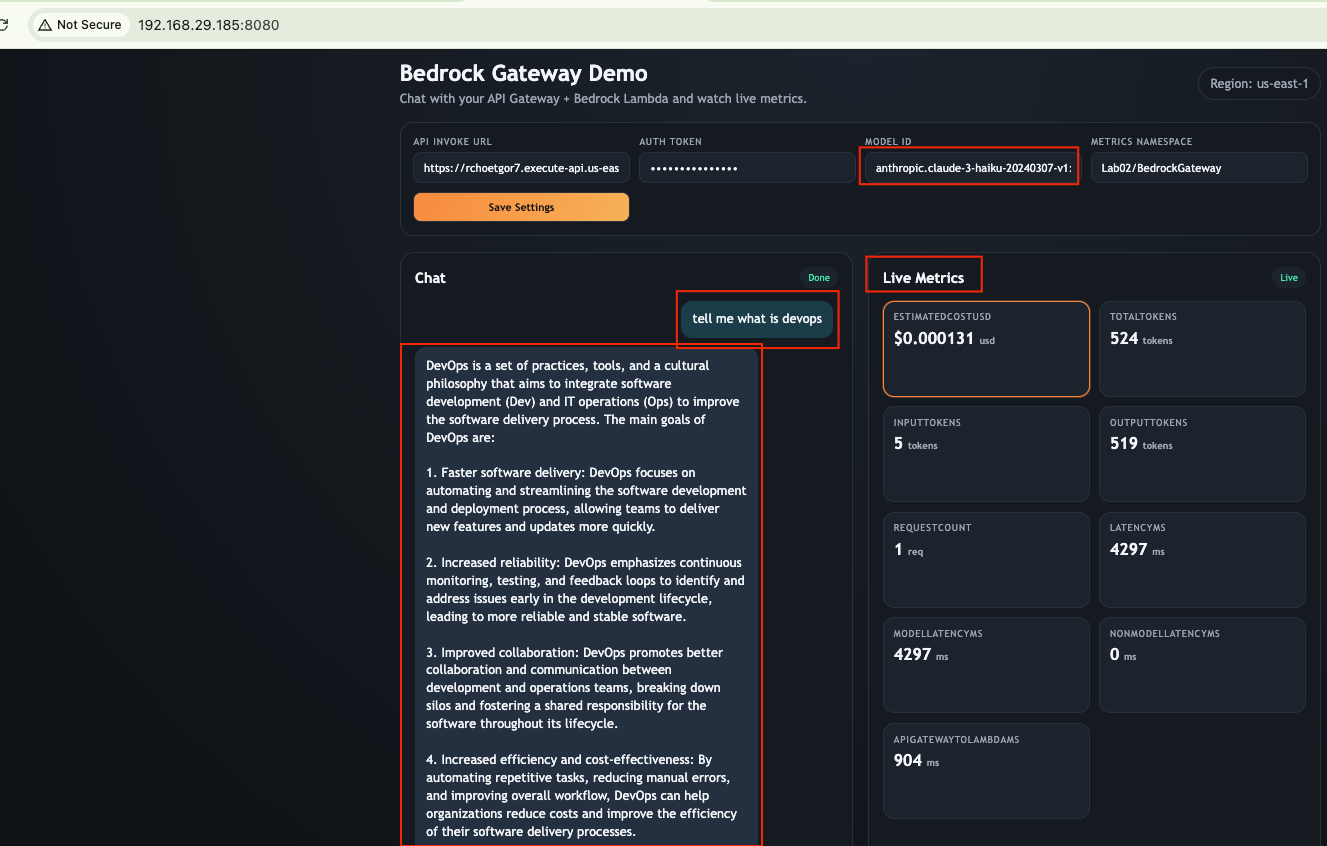
  8. Your LLM Gateway Works. But Do You Know What Each Call Costs?

    The article discusses the critical need for cost management and monitoring in LLM gateways, which are becoming essential tools for accessing large language models. It highlights that while these gateways provide access, understanding the financial implications of each API call is crucial for efficient operation. The author suggests that cost tracking should be the next key feature for any LLM gateway, following authentication. AI

    Your LLM Gateway Works. But Do You Know What Each Call Costs?

    IMPACT Highlights the need for cost management in AI infrastructure, crucial for operators scaling LLM usage.

  9. Why Infrastructure Modernization Is The Real Enabler Of AI

    Modernizing outdated IT infrastructure is crucial for organizations to effectively leverage artificial intelligence. Many companies attempt to implement AI on legacy systems not designed for current demands like cloud computing and real-time data access. This approach often leads to increased complexity, new risks, and stalled AI pilot projects, as the underlying foundations are not robust enough to support advanced technologies. Incremental modernization, rather than a complete overhaul, is presented as a safer and more realistic path forward, especially in sectors like financial services. AI

    Why Infrastructure Modernization Is The Real Enabler Of AI

    IMPACT Organizations must prioritize IT infrastructure modernization to unlock the full potential of AI and avoid stalled pilot projects.

  10. Spot silver breaks below $75/oz

    Alibaba's Chairman and CEO highlighted the strategic importance of instant retail in their shareholder letter, emphasizing its role in acquiring new users and enhancing engagement on Taobao and Tmall. They noted that AI is a key driver in this strategy, improving user acquisition, retention, and transaction volume. This focus on instant retail signifies a core pillar for the platforms' future upgrades and commercialization efforts. AI

    IMPACT Highlights how AI is being integrated into e-commerce strategies to drive user acquisition and engagement.

  11. The AI era, which questions the redesign of the entire data center, Dell's five core elements - ZDNET Japan https://www.yayafa.com/2804821/ #AgenticAi #AI #ArtificialGeneralIntelligence #ArtificialIntelligence #

    Dell has outlined five core elements crucial for redesigning data centers to meet the demands of the AI era. These elements focus on adapting infrastructure to handle the significant computational and power requirements of advanced AI workloads. The company emphasizes the need for a holistic approach to data center architecture to support the ongoing evolution of artificial intelligence. AI

    The AI era, which questions the redesign of the entire data center, Dell's five core elements - ZDNET Japan https://www.yayafa.com/2804821/ #AgenticAi #AI #ArtificialGeneralIntelligence #ArtificialIntelligence #

    IMPACT Dell's proposed data center redesign elements will be crucial for organizations scaling AI infrastructure.

  12. Nvidia on track to be worlds leading CPU supplier claims CFO

    Nvidia's CFO has stated the company is on track to become the world's leading CPU supplier, projecting $20 billion in CPU revenues for the current year. This projection comes amidst rapid AI adoption, which is also presenting new security challenges. Separately, a study found that AI code accelerates production failures and spending, while a vulnerability in Anthropic's Claude was confirmed and fixed without public disclosure. AI

    Nvidia on track to be worlds leading CPU supplier claims CFO

    IMPACT AI adoption is driving significant shifts in hardware supply chains and introducing new security vulnerabilities.

  13. NVIDIA is seeking to distance itself from major tech companies, aiming to establish its reputation as an independent AI leader rather than being seen as reliant

    NVIDIA is actively working to position itself as an independent leader in the AI sector, moving away from its association with major tech companies. The company reported strong quarterly earnings, signaling a strategic intent to broaden its customer base beyond current hyperscale partners. This move aims to solidify NVIDIA's reputation as a standalone force in AI development and infrastructure. AI

    NVIDIA is seeking to distance itself from major tech companies, aiming to establish its reputation as an independent AI leader rather than being seen as reliant

    IMPACT NVIDIA aims to solidify its independent brand in AI, potentially influencing partnerships and market perception.

  14. Open Compute urges local government to bask in the warm glow of excess datacenter heat

    The Open Compute Project is advocating for local governments to utilize waste heat generated by data centers. This initiative aims to repurpose the significant thermal output from these facilities, which is often vented into the atmosphere. By capturing and reusing this heat, communities could benefit from a sustainable energy source for heating buildings and infrastructure. AI

    Open Compute urges local government to bask in the warm glow of excess datacenter heat

    IMPACT Promotes sustainable infrastructure practices that could support the energy demands of AI growth.

  15. 🐧 Canonical Launches Ubuntu Core 26 with Live Kernel Patching, Optimized Updates Ubuntu Core 26 is now available for download as a major update to this fully co

    Seagate's CEO indicated that building new factories or expanding capacity for memory chips would be too slow to meet AI-driven demand. This statement led to a sell-off in memory stocks. Separately, AI models are making it easier to build and deploy robots, with one project giving an AI agent a physical body. Canonical has released Ubuntu Core 26, featuring live kernel patching and optimized updates for IoT and embedded devices. AI

    🐧 Canonical Launches Ubuntu Core 26 with Live Kernel Patching, Optimized Updates Ubuntu Core 26 is now available for download as a major update to this fully co

    IMPACT AI's growing demand strains hardware production, while also enabling new robotic applications.

  16. AI code accelerates production failures and spending, study finds

    A recent study indicates that the increasing use of AI in software development is leading to more production failures and higher spending on verification. This trend is exacerbated by longer hardware lead times and rising costs due to AI demand. The research highlights a gap in verification processes, suggesting that while AI can help identify vulnerabilities, it also introduces new challenges that need to be addressed. AI

    AI code accelerates production failures and spending, study finds

    IMPACT AI adoption in software development is increasing production failures and spending, highlighting a need for better verification strategies.

  17. The Agent-Native Cloud: 3M Users, 100K Signups/Wk, Data Centers, & Death PRs — Jake Cooper, Railway

    Railway, a platform for deploying applications, has seen significant user growth, reaching 3 million users and 100,000 new sign-ups weekly. The company is expanding its infrastructure with new data centers to support this rapid scaling. Despite the growth, Railway is also navigating public relations challenges, including addressing negative press. AI

    The Agent-Native Cloud: 3M Users, 100K Signups/Wk, Data Centers, & Death PRs — Jake Cooper, Railway

    IMPACT Discusses infrastructure scaling and user growth for an application deployment platform, relevant to AI operators managing cloud resources.

  18. ​Behind Vertical AI: What AI Is Already Demanding Of Energy And Utilities

    The increasing demand for AI, particularly from data centers, is placing significant strain on energy grids and utilities. This surge in electricity consumption, projected to more than double in the U.S. by 2028, necessitates substantial infrastructure investment. To address these challenges, the energy sector is exploring vertical AI solutions tailored to specific industry needs, aiming to optimize grid resilience, operational efficiency, and customer service. AI

    ​Behind Vertical AI: What AI Is Already Demanding Of Energy And Utilities

    IMPACT AI's escalating energy consumption is forcing utilities to invest heavily in infrastructure and explore specialized AI solutions for grid management.

  19. How to Choose an AI Gateway in 2026

    Choosing an AI gateway in 2026 will require careful consideration of several key factors. Developers should prioritize solutions that offer robust security features to protect sensitive data and ensure compliance with evolving regulations. Scalability is also crucial, as the gateway must be able to handle increasing loads as AI adoption grows. Finally, evaluating the integration capabilities and cost-effectiveness of different gateways will be essential for making an informed decision. AI

    How to Choose an AI Gateway in 2026

    IMPACT Guidance for developers on selecting AI infrastructure will shape future adoption and integration of AI technologies.

  20. The data center and AI Panic is stupid. Quite literally, the social network you're on right now uses more resources. Data Centers DEPLETING Water, Electricity?

    Concerns are mounting over the environmental impact of AI data centers, particularly their significant consumption of water and electricity. While some argue that the panic is overblown and that current social networks use comparable resources, others highlight specific issues like water depletion in regions such as Utah. Meanwhile, China is exploring innovative solutions like underwater data centers to mitigate environmental challenges and improve energy efficiency. AI

    IMPACT AI data centers are a critical infrastructure component, and their environmental impact is a significant concern for operators and policymakers.

  21. https://www. europesays.com/2996086/ The Agentic AI Supercycle Is Here. This Stock Could Be Its Biggest Winner. # AgenticAI # AgenticArtificialIntelligence # AI

    The concept of agentic AI is gaining significant traction across various industries, with leaders like Jensen Huang and Michael Dell highlighting its potential for practical applications. Companies are investing in this area, with DeepSeek hiring specialized talent and OpenAI exploring its use in cyber defense. However, the scalability of agentic AI hinges on robust infrastructure rather than just ambition, and its development is also raising questions about corporate governance and oversight, as seen with a shareholder revolt at Amazon. AI

    IMPACT Agentic AI's development is shifting focus towards infrastructure needs and practical, scalable applications, while also prompting discussions on corporate governance and the future of work.

  22. I thought LLM tool calling would kill glue code and then my lights still wouldn’t turn on

    AI agents are evolving beyond simple workflow tools, with some now capable of directly interacting with a user's local files and systems. While tools like Zapier and n8n are integrating AI for automation, more advanced agents like Claude Cowork and Open Interpreter-style assistants are emerging. These new agents offer deeper integration, such as file manipulation and continuous learning, but also introduce complexities in deployment, authentication, and maintenance, often referred to as 'agent ops'. The standardization of protocols like MCP is progressing, but the operational challenges of running these agents in production remain significant. AI

    I thought LLM tool calling would kill glue code and then my lights still wouldn’t turn on

    IMPACT AI agents are becoming more capable of direct system interaction, but operational complexities like authentication and maintenance are key challenges for widespread adoption.

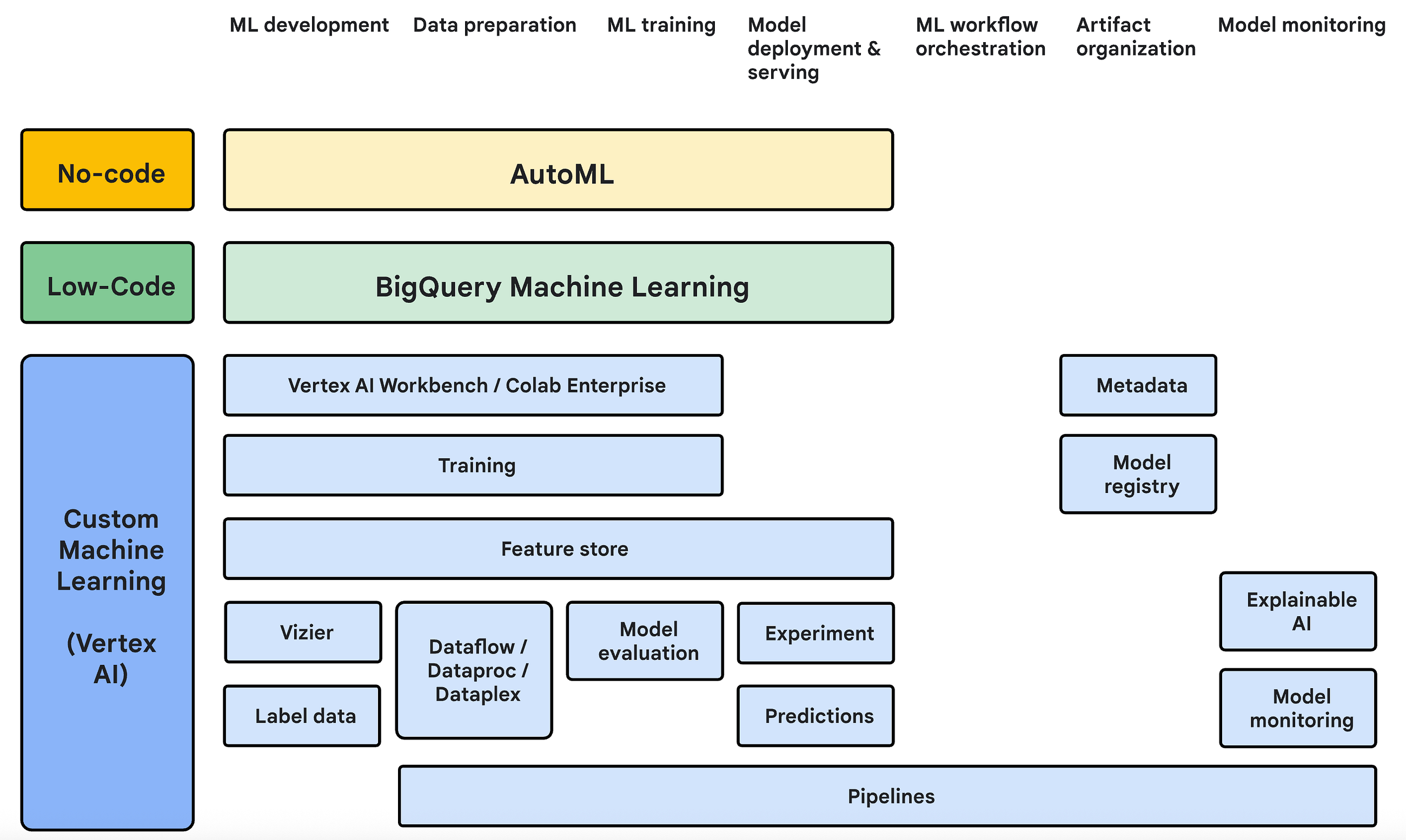
  23. MLOps in Plain English: What It Is, What It Actually Looks Like, and Why Most Teams Get It Wrong

    MLOps is gaining prominence as the critical discipline for deploying and maintaining machine learning models in production. While model training was once the primary focus, the operational aspects of MLOps are now considered more vital for real-world AI applications. This includes strategies for deployment, serving, and managing models, with specific attention to the unique challenges of Large Language Models (LLMs) compared to traditional ML models. Various tools and architectures, such as those utilizing Docker, Flask, AWS, and MLflow, are essential for building robust MLOps pipelines. AI

    MLOps in Plain English: What It Is, What It Actually Looks Like, and Why Most Teams Get It Wrong

    IMPACT Highlights the growing importance of operationalizing AI models, emphasizing the need for robust deployment and maintenance strategies.

  24. Critical Minerals AI Supply Chain: Who Controls the Future Six chokepoints control every GPU, HBM chip, and data center cooling system. China processes 90% of r

    Six critical chokepoints in the AI supply chain, from raw materials to finished chips, are dominated by China. The country processes 90% of rare earths, highlighting its significant control over the production of GPUs, HBM chips, and data center cooling systems essential for AI development. AI

    Critical Minerals AI Supply Chain: Who Controls the Future Six chokepoints control every GPU, HBM chip, and data center cooling system. China processes 90% of r

    IMPACT Highlights geopolitical risks and resource dependencies in AI hardware production, potentially impacting future development and accessibility.

  25. ​Why The Cheapest AI Stack Becomes The Most Expensive At Scale

    Developers are increasingly concerned about the rising costs associated with using AI coding tools, particularly models like Claude Opus 4.7. Several articles discuss strategies to mitigate these expenses, including optimizing prompt templates, switching to less expensive models for routine tasks, and implementing "context engineering" over traditional prompt engineering. Some developers are building custom tools or harnesses to manage usage, track costs across different AI services, and improve the efficiency of AI agents, highlighting that the AI model is only one part of a larger, complex system. AI

    ​Why The Cheapest AI Stack Becomes The Most Expensive At Scale

    IMPACT Developers are seeking cost-optimization strategies for AI coding tools, indicating a growing need for efficient resource management as AI adoption increases.