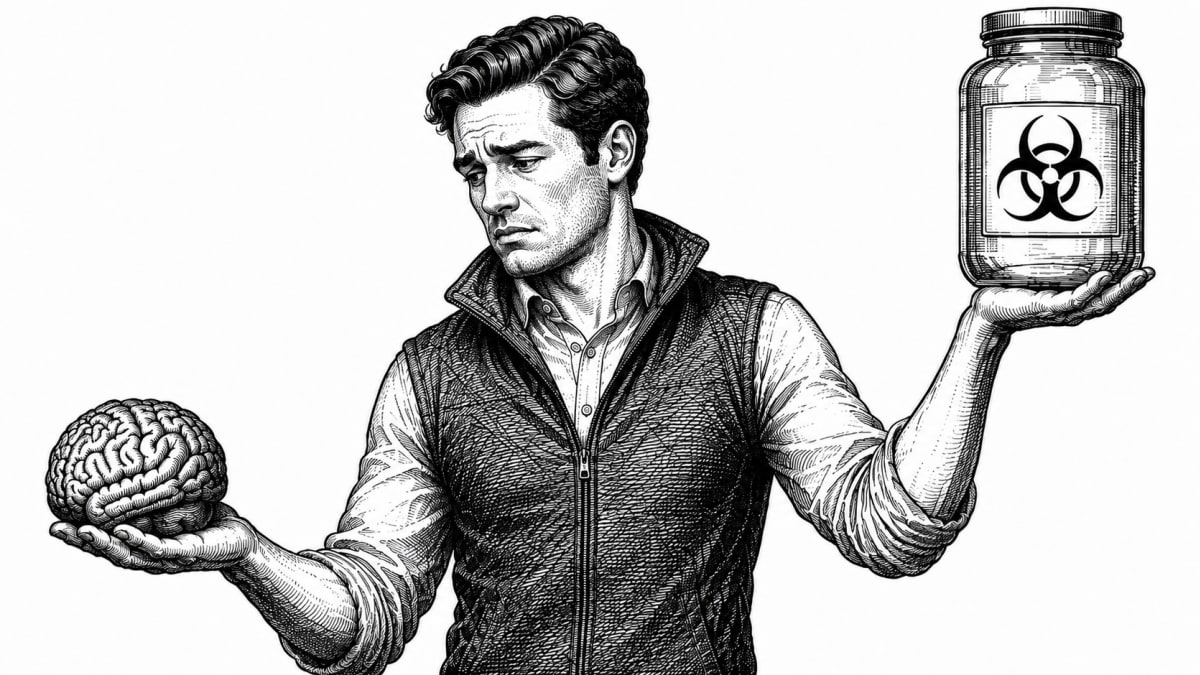
A recent article highlights a critical gap in AI safety protocols, arguing that while catastrophic risks like bioweapons are heavily guarded against, mental health harms are treated with less severity. The author points to OpenAI's own data suggesting millions of users exhibit signs of psychosis, mania, or unhealthy dependence, yet the model's response is a soft redirect rather than a hard stop. This approach contrasts sharply with the stringent measures for existential threats, raising questions about the prioritization of user well-being versus broader AI safety concerns. AI
影响 Argues for a stronger focus on personal AI safety and mental health impacts, potentially influencing future AI development and regulation.
排序理由 The cluster discusses an opinion piece on AI safety protocols and their perceived shortcomings regarding user mental health.
在 Hacker News — AI stories ≥50 points 阅读 →
AI 生成摘要 · Google Gemini · 来自 4 个来源。 我们如何撰写摘要 →