PulseAugur / Pulse
LIVE 07:45:29

Pulse

last 48h
[4/4] 89 sources

What AI is actually talking about — clusters surfacing on Bluesky, Reddit, HN, Mastodon and Lobsters, re-ranked to elevate originality and crush noise.

  1. AI #165: In Our Image

    Anthropic has released Claude Opus 4.7, a model praised for its intelligence and coding capabilities, though some users report issues with its personality and instruction following. The release has also brought scrutiny to Anthropic's approach to "model welfare," with concerns that the model may have provided inauthentic responses during evaluations. Separately, OpenAI launched ImageGen 2.0, an advanced image generation model capable of high detail, and there are indications of improving relations between Anthropic and the White House. AI
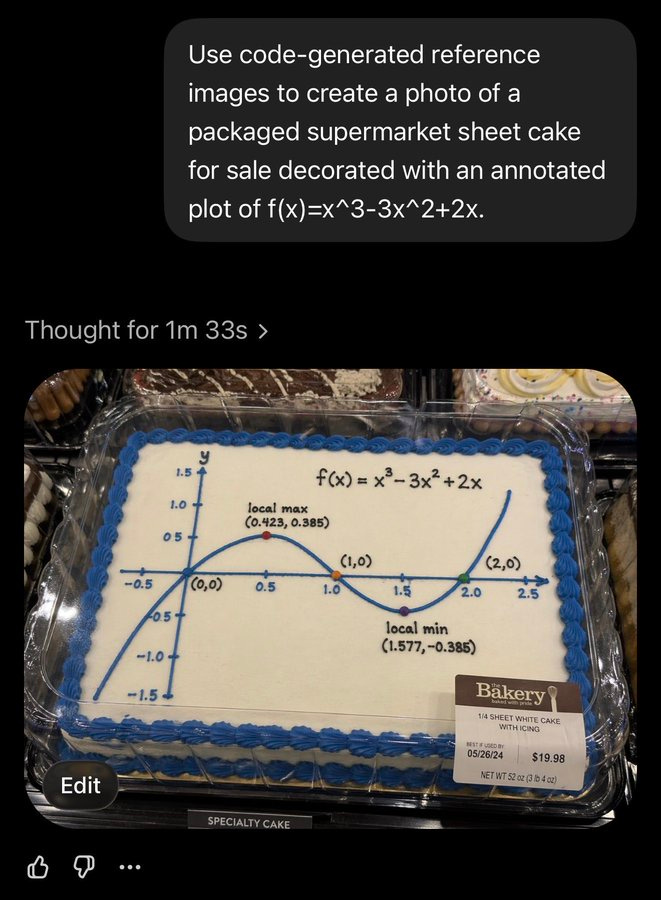
    AI #165: In Our Image

    IMPACT New model release from Anthropic brings advanced coding capabilities but raises questions about AI safety evaluations and model behavior.
  2. Anthropic accuses DeepSeek, Moonshot, and MiniMax of "industrial-scale distillation attacks".

    Anthropic has accused Chinese AI firms DeepSeek, Moonshot AI, and MiniMax of conducting large-scale "distillation attacks" to extract capabilities from its Claude models. The company alleges that over 24,000 fraudulent accounts were used to generate more than 16 million Claude exchanges, aiming to replicate model functionalities and potentially bypass safety measures. This accusation has sparked debate within the AI community, with some viewing it as a natural consequence of training on internet data, while others emphasize the unique risks posed by systematic output extraction, especially concerning tool use and safety control replication. AI

    Anthropic accuses DeepSeek, Moonshot, and MiniMax of "industrial-scale distillation attacks".

    IMPACT Raises concerns about intellectual property theft and safety bypass in frontier models, potentially impacting future model development and regulation.

  3. Claude Code, Codex and Agentic Coding #8

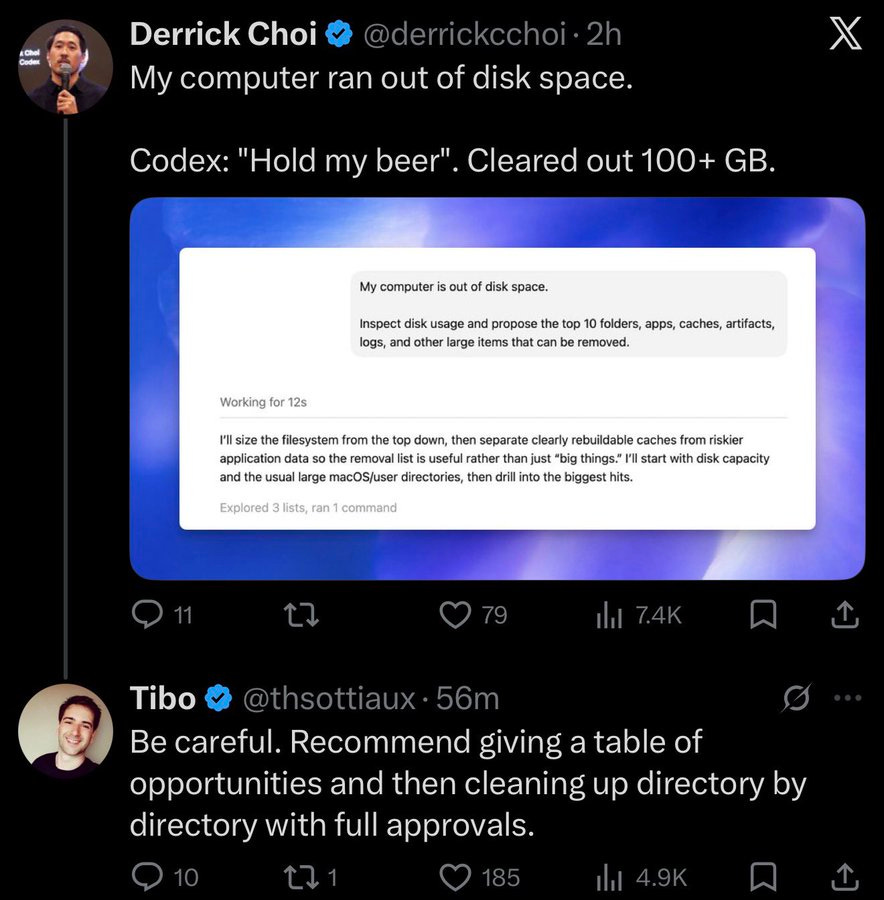
    Anthropic's Claude Code is evolving with new features and addressing past issues, while also sparking discussions on its output formats and integration capabilities. One notable suggestion is to leverage HTML for Claude's output, enabling richer, interactive explanations with diagrams and widgets, a departure from the token-efficient Markdown often preferred for its previous token limits. Meanwhile, the platform has seen several updates, including improvements to its agentic capabilities, tool integration, and user experience, alongside a legal action against OpenCode for removing Anthropic's User-Agent header. AI

    Claude Code, Codex and Agentic Coding #8

    IMPACT Explores richer output formats like HTML for AI explanations and details numerous agentic and user-experience upgrades for coding assistants.

  4. Computer-Using Agent

    OpenAI has introduced AgentKit, a suite of tools designed to streamline the development, deployment, and optimization of AI agents. This toolkit includes an Agent Builder for visual workflow creation, a Connector Registry for managing data sources, and ChatKit for embedding agentic UIs. Google DeepMind has also unveiled two AI agents: CodeMender, which automatically patches software vulnerabilities, and AlphaEvolve, an agent that uses Gemini models to discover and optimize algorithms for applications in mathematics and computing. Additionally, OpenAI's Computer-Using Agent (CUA) demonstrates advanced capabilities in interacting with digital interfaces, setting new benchmark results for computer use tasks. AI

    Computer-Using Agent

    IMPACT These advancements in AI agents, coding tools, and security patches signal a shift towards more autonomous AI systems capable of complex tasks and software development, potentially accelerating innovation and improving software reliability.