PulseAugur / Pulse
LIVE 07:45:11

Pulse

last 48h
[50/60] 89 sources

What AI is actually talking about — clusters surfacing on Bluesky, Reddit, HN, Mastodon and Lobsters, re-ranked to elevate originality and crush noise.

  1. Power company says "fuck you" to people to serve AI.. "Lake Tahoe’s main energy source is being diverted to power # AI data centers" "Nevada-based # NVEnergy wi

    A utility provider in Nevada is significantly reducing electricity supply to approximately 49,000 customers in the California side of Lake Tahoe. This decision, affecting about 75% of the local utility's power, is to meet the escalating energy demands of AI data centers being established in Nevada. The move highlights the growing strain AI infrastructure is placing on regional power grids and overall electricity consumption. AI

    IMPACT AI infrastructure development is straining regional power grids, leading to significant electricity supply reductions for tens of thousands of residents.

  2. Anthropic courts a new kind of customer: small business owners

    Anthropic has launched Claude for Small Business, a new service aimed at making AI adoption more accessible for smaller companies. This offering includes automated bookkeeping, business insights, and generative tools for marketing, integrated with popular software like QuickBooks and Docusign. The move signifies a strategic shift by Anthropic to capture a market segment previously underserved by AI solutions, with plans for a promotional tour to engage small business owners directly. AI

    IMPACT Expands AI platform competition into the small business sector, potentially accelerating adoption through tailored integrations.

  3. Datacentres using 6% of electricity supply in UK and US, research says

    Datacenters are consuming 6% of electricity in the UK and US, a figure that has risen 15% globally in the past two years due to the increasing demands of AI. This surge in energy consumption is approaching 1% of the global economy in annual investment and is beginning to cause community resistance and political concerns. Experts warn that the unchecked growth of AI infrastructure could lead to higher energy bills, strain water supplies, and necessitate a continued reliance on fossil fuels. AI

    Datacentres using 6% of electricity supply in UK and US, research says

    IMPACT Confirms growing energy demands of AI infrastructure, potentially impacting energy costs and environmental policy.

  4. Safe Pro Group and 4M Defense successfully complete AI-powered pilot program for explosive hazard detection in Middle East, revolutionizing humanitarian deminin

    Florida lawmakers are proposing a new bill that could set a national precedent for AI regulation, focusing on oversight and responsible innovation. In parallel, Safe Pro Group and 4M Defense have successfully concluded an AI-driven pilot program in the Middle East for detecting explosive hazards, aiming to enhance humanitarian demining efforts. AI

    IMPACT AI regulation in Florida could influence national policy, while AI-powered demining offers a new approach to humanitarian efforts.

  5. Medicare’s new payment model is built for AI, and most of the tech world has no idea

    Medicare has launched a new payment model, ACCESS, designed to incentivize AI-driven healthcare solutions by rewarding health outcomes rather than traditional service delivery. This program, set to begin July 5, allows companies like Pair Team to be reimbursed for AI agents that monitor patients, coordinate care, and ensure medication adherence, which was previously not possible under standard Medicare reimbursement structures. The initiative aims to foster innovation in chronic disease management by creating a framework where AI can be integrated at scale to improve patient well-being. AI

    IMPACT This new Medicare payment model creates a pathway for AI to be reimbursed, potentially accelerating AI adoption in healthcare by aligning financial incentives with improved patient outcomes.

  6. AI minister names 44 projects getting federal money to access compute power, including 8 in B.C. The federal government is providing $66 million to an array of

    Canada's federal government is allocating $66 million to 44 artificial intelligence projects across the country. This funding, announced by AI Minister Evan Solomon, aims to provide these projects with crucial access to compute power. The initiative is designed to help Canadian AI ventures commercialize their work and achieve scalability. AI

    AI minister names 44 projects getting federal money to access compute power, including 8 in B.C. The federal government is providing $66 million to an array of

    IMPACT Supports the commercialization and scaling of Canadian AI innovations by providing essential compute resources.

  7. Nearly 50,000 Lake Tahoe residents have to find a new power source after their energy source looks to redirect lines to data centers

    Approximately 50,000 residents in the Lake Tahoe region face a power crisis as their energy provider, Liberty Utilities, will lose its power supply from NV Energy by May 2027. NV Energy is redirecting this capacity to serve the growing demand from data centers, particularly those being developed by major tech companies like Google, Apple, and Microsoft in Northern Nevada. This situation is complicated by a jurisdictional dispute, as Liberty Utilities operates under California regulations while its grid relies on Nevada's infrastructure, leaving no single entity fully accountable for resolving the energy shortage. AI

    Nearly 50,000 Lake Tahoe residents have to find a new power source after their energy source looks to redirect lines to data centers

    IMPACT AI infrastructure development is causing a significant energy shortage for a large residential population, highlighting the growing strain on resources.

  8. George Clooney, Tom Hanks, and Meryl Streep back new ‘Human Consent Standard’ for AI licensing

    A coalition of Hollywood actors and producers, including George Clooney, Tom Hanks, and Meryl Streep, have launched the "Human Consent Standard" to govern the use of their likenesses and creative works by AI systems. This initiative, overseen by RSL Media, allows individuals to define terms for AI access, ranging from full permission to outright restriction. The standard integrates with existing web crawling protocols and will be verifiable through a registry launching in June, aiming to provide a trusted source for AI systems to check usage rights. AI

    George Clooney, Tom Hanks, and Meryl Streep back new ‘Human Consent Standard’ for AI licensing

    IMPACT Establishes a framework for controlling AI's use of personal likeness and creative work, potentially impacting data sourcing for generative models.

  9. Google Finance to Expand into Europe | AI Financial Tools Stand at the Boundary Between "Research" and "Advice" https://www.yayafa.com/2799369/ # AgenticAi # AI # ai (Artificial Intelligence) News # ArtificialGeneralIntelligence # ArtificialI

    ChatGPT's voice mode is now compatible with CarPlay on iOS 26.4, offering hands-free interaction for users. Meanwhile, Anthropic's Claude model has experienced rapid growth, straining AI infrastructure, with Elon Musk's SpaceX reportedly providing support. Google Finance is expanding into Europe with AI-powered financial tools that blur the lines between research and advice. AI

    Google Finance to Expand into Europe | AI Financial Tools Stand at the Boundary Between "Research" and "Advice" https://www.yayafa.com/2799369/ # AgenticAi # AI # ai (Artificial Intelligence) News # ArtificialGeneralIntelligence # ArtificialI

    IMPACT Expands AI accessibility via CarPlay, highlights infrastructure strain from rapid model adoption, and introduces AI-driven financial tools into new markets.

  10. TSMC allocates $20 billion to Arizona expansion — project faces water and labor shortages, complicated by visa rules

    TSMC has approved a $20 billion capital injection for its Arizona semiconductor fabrication plant, Fab 21, as part of a larger expansion plan. Despite the plant achieving profitability in its first year of operation, TSMC faces significant challenges in Arizona. These include shortages of water and labor, concerns about long-term electricity supply, and complications with visa regulations for foreign workers. AI

    TSMC allocates $20 billion to Arizona expansion — project faces water and labor shortages, complicated by visa rules

    IMPACT Ensures continued supply of advanced chips crucial for AI development and deployment.

  11. Standard 90-day vulnerability disclosure policy is likely dead thanks to AI, expert warns that AI can weaponize patches in 30 minutes — LLM-assisted bug-hunting ushers in a new cyberworld order

    The traditional 90-day vulnerability disclosure policy is becoming obsolete due to AI's rapid bug-hunting capabilities. Security researchers are warning that AI can identify and even weaponize software flaws in a matter of minutes, drastically shortening the window for fixes. This acceleration means that developers must treat critical security issues as P0 and address them immediately, as exploits are likely already in the wild before patches can be deployed. AI

    Standard 90-day vulnerability disclosure policy is likely dead thanks to AI, expert warns that AI can weaponize patches in 30 minutes — LLM-assisted bug-hunting ushers in a new cyberworld order

    IMPACT Accelerates the discovery and exploitation of software vulnerabilities, forcing immediate patching and potentially rendering traditional disclosure timelines obsolete.

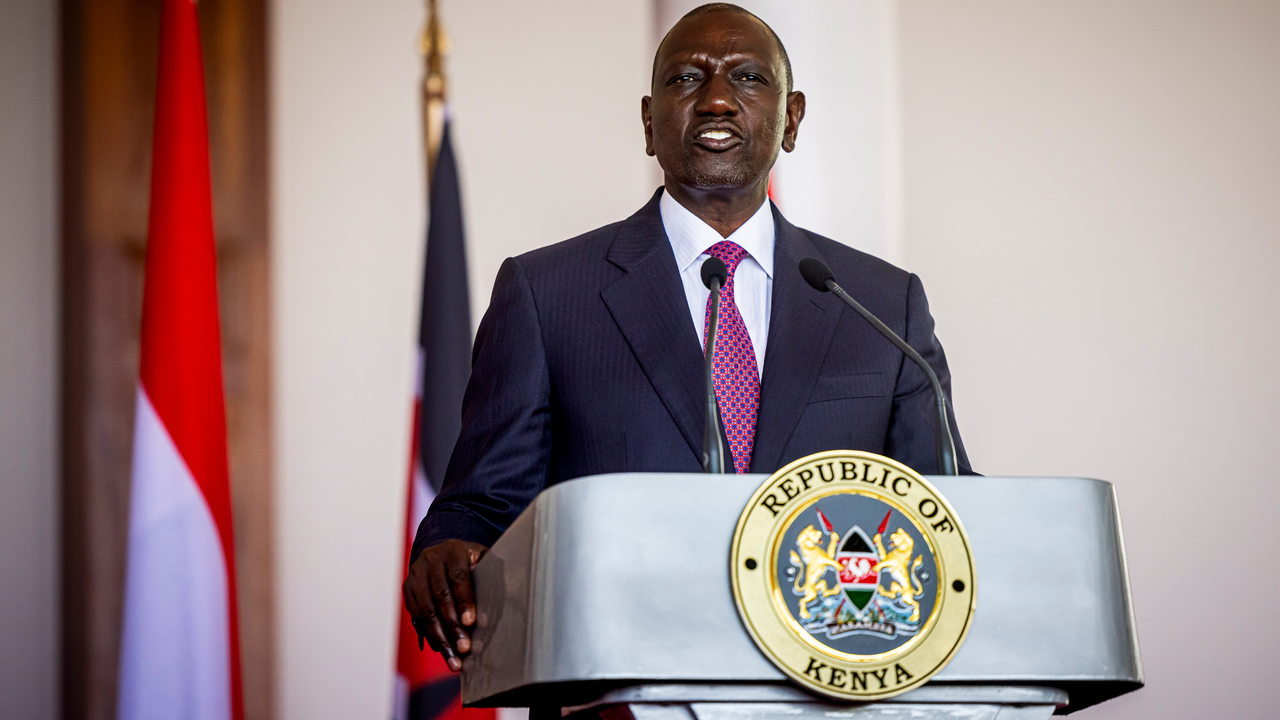
  12. Microsoft's massive Kenya AI data center would require switching off 'half the country' to meet power requirements, government says — $1 billion project stalls over capacity disagreements and lack of infrastructure

    Microsoft and G42's planned $1 billion AI data center in Kenya has stalled due to disagreements over power commitments. The Kenyan government stated that the facility's power demands would necessitate shutting off electricity to half the country. While the project is not officially withdrawn, ongoing discussions are needed to restructure the scale of the data center to align with available infrastructure. AI

    Microsoft's massive Kenya AI data center would require switching off 'half the country' to meet power requirements, government says — $1 billion project stalls over capacity disagreements and lack of infrastructure

    IMPACT Highlights the critical infrastructure and power constraints that could slow down global AI expansion, particularly in developing regions.

  13. ⚠️ AI security warning shifts to infrastructure India’s 2026 AI push now depends on power, cooling and data-centre design as enterprise AI moves into daily work

    India's ambitious AI initiatives for 2026 are increasingly reliant on robust infrastructure, including power, cooling, and data center design. As enterprise AI becomes more integrated into daily workflows, the focus is shifting towards ensuring these foundational elements are secure and efficient. This strategic emphasis on infrastructure is crucial for the successful deployment and scaling of AI technologies across the nation. AI

    ⚠️ AI security warning shifts to infrastructure India’s 2026 AI push now depends on power, cooling and data-centre design as enterprise AI moves into daily work

    IMPACT India's 2026 AI goals necessitate significant investment in power, cooling, and data center infrastructure to support widespread enterprise adoption.

  14. Datacentres should be forced to invest in wind and solar energy, agree all states except Queensland

    Australian energy ministers have agreed that data centers, which are increasingly powering AI, must fully offset their electricity consumption by investing in new renewable energy sources and storage. This initiative, supported by all states except Queensland, aims to make these energy-intensive facilities an asset to the grid rather than a strain. The Australian Energy Market Commission will advise on implementation, while the industry group Data Centres Australia notes existing investments and a desire to reach 100% renewable offset, contingent on project availability. AI

    Datacentres should be forced to invest in wind and solar energy, agree all states except Queensland

    IMPACT Data center energy demands, driven by AI, will necessitate significant investment in renewable energy infrastructure across Australia.

  15. Good morning Atlanta! # RedHat has a boatload of news this morning at # RHSummit . Kelsey Sung and I give you the overview on key themes, including private # AI

    Red Hat announced new AI initiatives at its recent summit, focusing on Model-as-a-Service and sovereignty features to address enterprise concerns about cost and geopolitical risks. The company is also emphasizing infrastructure automation and agentic AIOps. These updates aim to provide enterprises with more control and clarity around their AI deployments. AI

    IMPACT Red Hat's new AI services and sovereignty features aim to provide enterprises with greater control and clarity over their AI deployments, addressing concerns about cost and geopolitical risk.

  16. Wrongful Death Lawsuits Against OpenAI Test a New Strategy https://www.nytimes.com/2026/05/12/technology/chatgpt-lawsuit-wrongful-death.html # AI # Law # Tech

    A new AI startup has secured $1.3 billion in funding to build what it calls an 'AI grid.' Meanwhile, OpenAI is facing wrongful death lawsuits that are testing a novel legal strategy. These cases highlight the growing legal and ethical challenges surrounding AI development and deployment. AI

    IMPACT This cluster highlights both the massive investment flowing into AI infrastructure and the increasing legal scrutiny AI companies face.

  17. "xAI has added 19 natural gas turbines to its second data center campus in Southhaven, Mississippi, over the past two months, according to internal emails seen

    xAI has significantly expanded its data center power capacity in Mississippi by adding 19 natural gas turbines, bringing the total to 46. This expansion occurs amidst a lawsuit from the NAACP and environmental groups alleging violations of the Clean Air Act due to the operation of these turbines without proper air permits. State officials are reportedly evaluating the situation, while xAI continues to increase its power output at the Southaven campus. AI

    IMPACT xAI's rapid infrastructure build-out highlights the immense power demands of frontier AI models, potentially straining energy resources and regulatory frameworks.

  18. GitLab plans major reorganization for the AI agent era, including layoffs and reduction of management layers https://web.brid.gy/r/https://gigazine.net/news/20260512-gitlab-act-2/

    GitLab is undergoing a significant restructuring, dubbed "Act 2," to align with the rise of AI agents in software development. This strategic shift involves reducing the number of countries it operates in by up to 30%, cutting management layers, and reorganizing R&D into smaller teams. The company plans to reinvest most of the savings from these changes into developing AI agent technology, which will fundamentally alter how software is coded, reviewed, and deployed. AI

    GitLab plans major reorganization for the AI agent era, including layoffs and reduction of management layers https://web.brid.gy/r/https://gigazine.net/news/20260512-gitlab-act-2/

    IMPACT GitLab's strategic pivot to AI agents signals a shift in software development, potentially automating coding, reviews, and deployments, and impacting the roles of human developers.

  19. Elsevier sues Meta: using Sci-Hub for pirated paper training of large models

    Academic publishing giant Elsevier, along with other publishers and authors, has filed a lawsuit against Meta, accusing the company of illegally scraping and using copyrighted research papers to train its Llama large language models. The plaintiffs allege that Meta obtained these papers through the Common Crawl dataset and, more directly, through notorious piracy platforms like LibGen and Sci-Hub. Meta is defending its actions by invoking the 'fair use' doctrine, arguing that using copyrighted material for AI training constitutes transformative use and promotes innovation, citing a previous court ruling that allowed Anthropic to use purchased books for AI training. AI

    IMPACT This lawsuit could set a crucial legal precedent for AI training data, potentially impacting how models are developed and the cost of accessing copyrighted materials.

  20. Notes on YC P26, halfway through the batch. At the halfway point of the YC 2026 Spring batch, approximately 400 founders are active in 200 companies, and it is observed that the AI coding tool OpenAI Codex is significantly accelerating the development speed of founders. YC Partners

    A Chinese court has ruled that replacing workers with AI solely for cost reduction is illegal, setting a precedent for labor rights in the age of AI. Separately, the Pwn2Own Berlin hacking competition saw a large rejection of zero-day vulnerabilities, including those related to AI software like PyTorch and Ollama. Meanwhile, Y Combinator's Spring 2026 batch is seeing accelerated development cycles, with AI coding tools like OpenAI Codex significantly boosting founder productivity. AI

    IMPACT AI's impact on labor rights, cybersecurity, and startup development is highlighted across these diverse events.

  21. Canada Declares Digital Independence, But ‘Sovereignty Is Not Solitude’

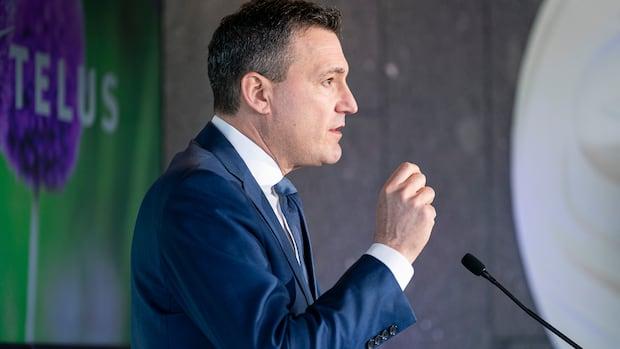
    Canada is pursuing digital independence by investing in domestic AI infrastructure, rather than attempting to match U.S. spending. The country's Minister of Artificial Intelligence and Digital Innovation, Evan Solomon, announced up to $66 million in funding for 44 projects across British Columbia through the Compute Access Fund. This initiative aims to build Canadian data centers for Canadian companies and citizens, with a focus on sustainability and community benefit. A partnership with Telus will establish three new AI-focused data center sites in British Columbia, emphasizing sustainable design principles like closed-loop water systems and heat reuse. AI

    Canada Declares Digital Independence, But ‘Sovereignty Is Not Solitude’

    IMPACT Canada's investment in domestic AI infrastructure aims to foster innovation and reduce reliance on foreign hyperscalers.

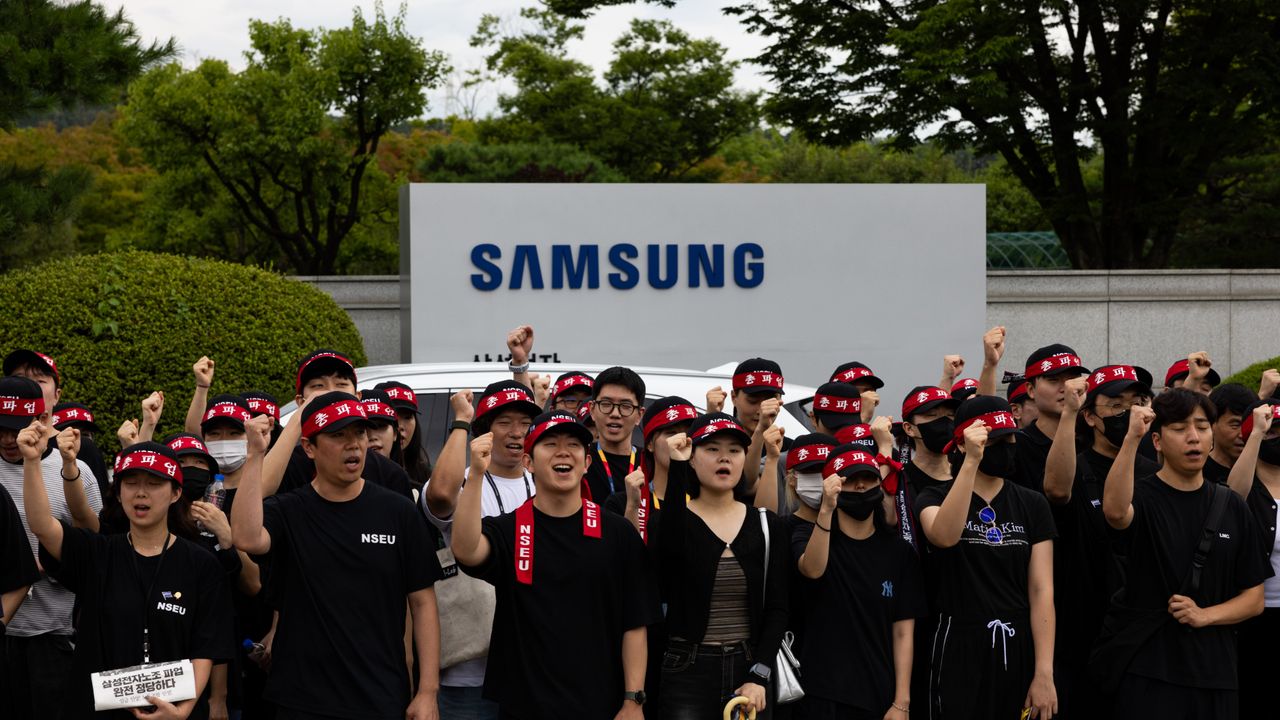
  22. Samsung holds desperate final talks with union over 18-day chip factory strike that could cost $20 billion — government-mediated summit seeks to avert industrial action that could hit HBM production

    Samsung is in final negotiations with its labor union to prevent an 18-day strike that could disrupt global memory chip production and cost the company billions. The union, representing tens of thousands of workers, is demanding uncapped performance bonuses and higher base salaries, while management has offered concessions but refused to remove bonus caps. Previous mediation attempts have failed, and the potential strike, set to begin May 21st, follows a recent one-day walkout that significantly impacted production. AI

    Samsung holds desperate final talks with union over 18-day chip factory strike that could cost $20 billion — government-mediated summit seeks to avert industrial action that could hit HBM production

    IMPACT Potential disruption to HBM production could impact the supply chain for AI hardware.

  23. Cybercriminals Are Making Powerful Hacking Tools With AI, Google Warns

    Google has warned that cybercriminals are increasingly using AI to develop sophisticated hacking tools, including zero-day exploits that target previously unknown software vulnerabilities. Researchers observed AI-generated code with characteristics typical of machine learning, such as structured Python and detailed help menus, and even instances of AI hallucination. This trend signifies a shift towards AI-assisted cybercrime, where complex tasks that once required extensive experience can now be performed rapidly, potentially lowering the barrier to entry for malicious actors. AI

    Cybercriminals Are Making Powerful Hacking Tools With AI, Google Warns

    IMPACT AI is accelerating the development of sophisticated cyberattacks, enabling faster and more potent exploitation of software vulnerabilities.

  24. 🤖 AI-powered hacking has exploded into industrial-scale threat, Google says Criminal groups and state-linked actors appear to be using commercial models to refi

    Google's Threat Intelligence Group has disrupted a hacker operation that utilized AI to discover a zero-day vulnerability. The attackers intended to exploit this flaw to bypass two-factor authentication. While Google's swift action likely prevented widespread exploitation, the incident highlights the growing use of AI in sophisticated cyberattacks and raises concerns about the speed of defense patching against AI-assisted threats. AI

    🤖 AI-powered hacking has exploded into industrial-scale threat, Google says Criminal groups and state-linked actors appear to be using commercial models to refi

    IMPACT Highlights the increasing use of AI by malicious actors, potentially accelerating the pace of cyberattacks and challenging defense mechanisms.

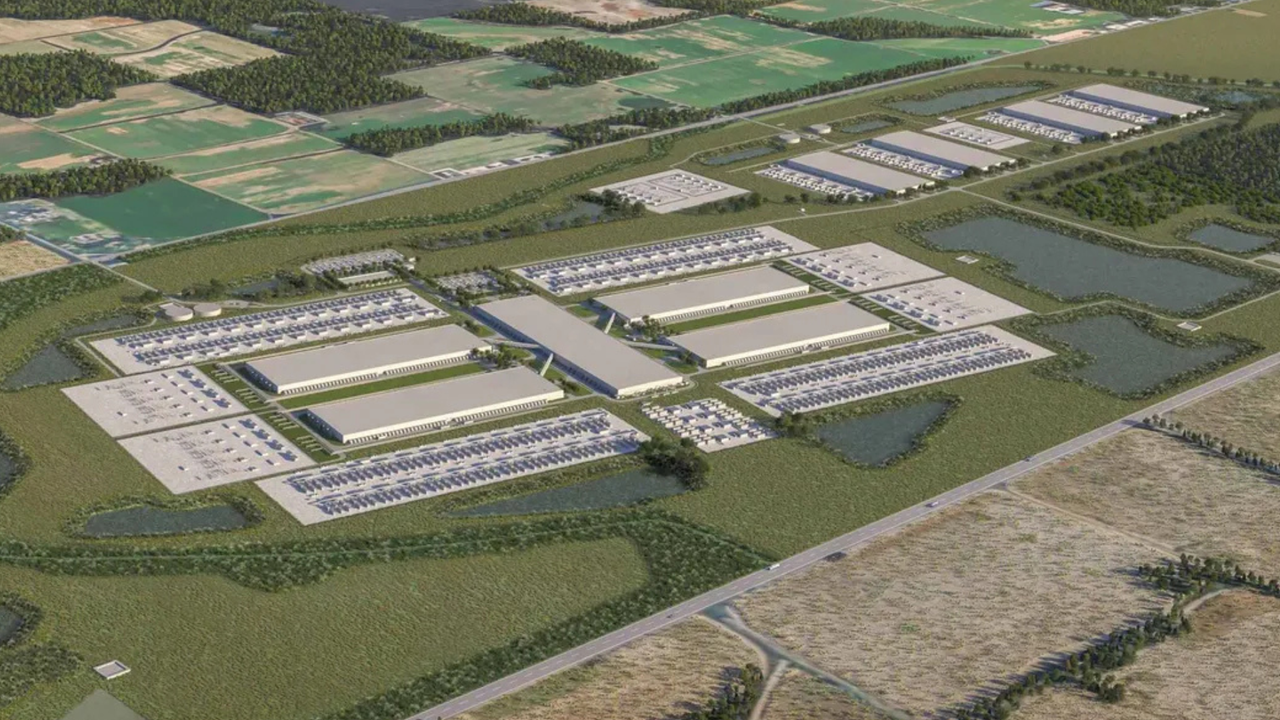
  25. AI data center developers target rural territory to bypass city construction bans and regulations — rural locations allow sites to bypass city council approvals, rezoning votes, land-use reviews, and reduce public scrutiny

    AI data center developers are increasingly opting for rural, unincorporated land to circumvent urban construction bans and regulatory hurdles. By building outside city limits, these developers can avoid lengthy approval processes like rezoning votes and land-use reviews, which are often subject to public scrutiny and community opposition. While this strategy may increase infrastructure costs, the speedier approvals and reduced public backlash are seen as significant advantages, leading to projects in areas like Utah and Louisiana. AI

    AI data center developers target rural territory to bypass city construction bans and regulations — rural locations allow sites to bypass city council approvals, rezoning votes, land-use reviews, and reduce public scrutiny

    IMPACT Accelerates AI infrastructure deployment by bypassing regulatory bottlenecks, potentially impacting energy and land use policies.

  26. AI data center project secretly sucked 29 million gallons of water over 15 months before detected by residents complaining about low water pressure — officials refuse to fine massive 6.2 million-square-foot facility over unauthorized water consumption

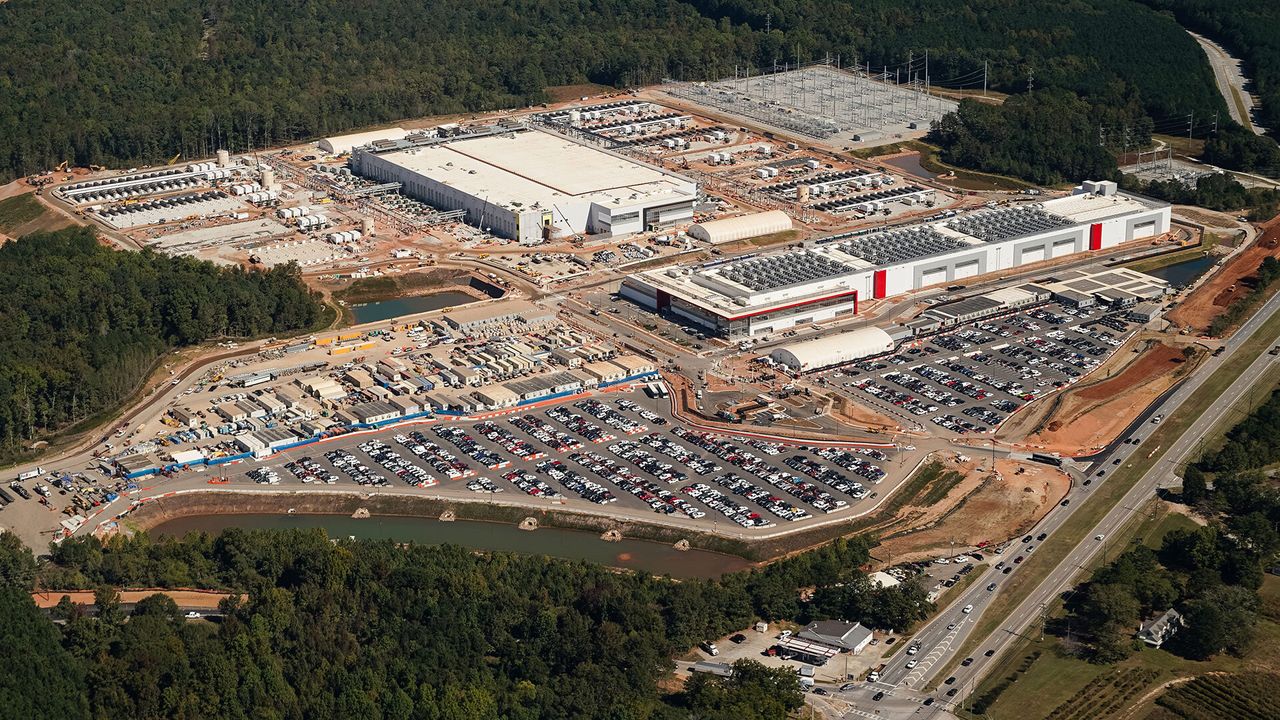
    A massive AI data center in Fayette County, Georgia, secretly consumed approximately 29 million gallons of water over a 15-month period without authorization. This occurred while residents were experiencing low water pressure and water conservation requests. Despite the unauthorized usage, county officials declined to fine the facility, citing its status as their largest customer and the need for a partnership. AI

    AI data center project secretly sucked 29 million gallons of water over 15 months before detected by residents complaining about low water pressure — officials refuse to fine massive 6.2 million-square-foot facility over unauthorized water consumption

    IMPACT Highlights the substantial water and resource demands of AI data centers, potentially impacting local communities and leading to regulatory scrutiny.

  27. China is racing to close the AI security gap as Anthropic and OpenAI pull ahead with new models. Leading US AI developers are unveiling cybersecurity capabiliti

    China is accelerating its efforts to bolster its AI-driven cybersecurity market in response to advancements by leading US firms like Anthropic and OpenAI. These US companies are releasing new models with improved security features, prompting China to scale up its own AI cyber defense capabilities. Industry analysts project significant growth for China's AI cybersecurity sector, anticipating a valuation of approximately $8.7 billion by 2030, driven by domestic vendors integrating AI into their security products. AI

    IMPACT China's push to enhance its AI cybersecurity capabilities reflects a global trend of nations prioritizing AI for national security and economic competitiveness.

  28. The Middle East had everything data center builders and hyperscalers could wish for — then the Iran war happened

    The Middle East was poised to become a major hub for data center development, attracting significant global investment due to cheap energy, available capital, and government support. Nations like the UAE, Qatar, and Saudi Arabia had launched national AI strategies and were seen as prime locations for building AI infrastructure. However, recent geopolitical escalations, including drone and missile attacks on data centers in the UAE and Bahrain, have introduced significant uncertainty. AI

    The Middle East had everything data center builders and hyperscalers could wish for — then the Iran war happened

    IMPACT Geopolitical instability threatens the reliability of critical AI infrastructure in the Middle East, potentially diverting investment and impacting global AI compute capacity.

  29. Elon Musk’s lawsuit is putting OpenAI’s safety record under the microscope

    OpenAI CEO Sam Altman is testifying in court against Elon Musk, who is suing the AI company for allegedly betraying its founding mission. Altman defended his business practices, stating he is an honest person and that Musk himself was supportive of OpenAI's for-profit ventures. The trial, now in its third week, could significantly impact OpenAI's future, especially as it prepares for a potential $1 trillion IPO. Testimony has also touched upon concerns regarding OpenAI's AI safety protocols and the company's shift from a research-focused entity to a product-driven one. AI

    IMPACT The ongoing trial scrutinizes OpenAI's founding mission and safety practices, potentially influencing public perception and regulatory approaches to AI development.

  30. Anthropic warns investors against secondary platforms offering access to its shares

    Anthropic has issued a warning to investors regarding unauthorized secondary platforms that are offering access to its shares. The AI company explicitly named several platforms, stating that any transactions facilitated by them are void and will not be recognized. This action comes as demand for shares in AI companies surges, with Anthropic being a particularly sought-after stock on secondary markets. The company is reinforcing its transfer restrictions, making it clear that any share sales or transfers not approved by its board are invalid. AI

    IMPACT Reinforces corporate control over pre-IPO share access, potentially impacting future funding rounds and investor relations.

  31. Inside Israel’s AI targeting system: How data from a phone become a death sentence BEIRUT — The buzz of the Israeli drone was constant that day, and every time

    Israel's military is employing an artificial intelligence system to identify and target individuals associated with Hezbollah. This AI fuses data from various sources, including smartphones, cameras, and social media, to track targets. Experts express concern that such AI-driven systems could lead to misidentification and unintended civilian casualties. AI

    Inside Israel’s AI targeting system: How data from a phone become a death sentence BEIRUT — The buzz of the Israeli drone was constant that day, and every time

    IMPACT Raises critical questions about the ethical deployment of AI in warfare and the potential for civilian harm through automated targeting.

  32. ‘Irresponsible’: backlash as Utah approves datacenter twice the size of Manhattan

    A massive 9-gigawatt data center project, dubbed the "Stratos Project" or "Wonder Valley," backed by Kevin O'Leary, has been approved in rural Utah despite significant local opposition and environmental concerns. Residents and environmental groups are protesting the project's enormous energy and water consumption, which could exceed the state's current electricity usage and negatively impact the Great Salt Lake ecosystem. O'Leary argues the facility is crucial for national security and the U.S. AI race against China, claiming it will create thousands of jobs and that opposition is fueled by misinformation. AI

    ‘Irresponsible’: backlash as Utah approves datacenter twice the size of Manhattan

    IMPACT This project highlights the immense infrastructure demands of AI development and the growing conflict between technological advancement and environmental sustainability.

  33. So dramatic! Musk's OpenAI trial, Silicon Valley billionaires expose each other's secrets, just like a village argument.

    Elon Musk is suing OpenAI, alleging the company has strayed from its nonprofit origins and become a for-profit entity that has "looted a charity." During his testimony, Musk admitted to donating $38 million to OpenAI, a fraction of his initial $1 billion pledge, and acknowledged that xAI has distilled OpenAI models to train its Grok model. OpenAI's legal team presented evidence suggesting Musk himself had pushed for a for-profit structure and sought control of the company in its early days. The trial has revealed contentious exchanges and conflicting accounts from both sides regarding OpenAI's founding principles and Musk's involvement. AI

    IMPACT The outcome of this lawsuit could set precedents for corporate governance and the definition of nonprofit status in the AI sector.

  34. Critical Minerals AI Supply Chain: Who Controls the Future Six chokepoints control every GPU, HBM chip, and data center cooling system. China processes 90% of r

    A report highlights six critical chokepoints in the AI supply chain, emphasizing China's dominance in processing 90% of rare earth minerals. The analysis maps the entire process from mining to AI model development, underscoring geopolitical control over essential components like GPUs, HBM chips, and data center cooling systems. AI

    IMPACT Highlights geopolitical risks and potential supply chain vulnerabilities for AI development and deployment.

  35. The Download: the North Pole’s future and humanoid data

    The White House is considering an executive order that would require government review of new AI models before their release, a move reportedly prompted by Anthropic's Mythos model. This potential policy shift was discussed with executives from Anthropic, Google, and OpenAI. Meanwhile, major tech companies like Google, Microsoft, Amazon, and Meta are significantly increasing their AI spending, collectively up 71% year-over-year, though Meta's shares saw a dip after its plans were revealed. AI

    The Download: the North Pole’s future and humanoid data

    IMPACT Potential government oversight could shape AI development, while increased spending signals continued industry investment and competition.

  36. 📰 Sanctioned Chinese AI Firm SenseTime Releases Image Model Built for Speed With US restrictions limiting its access to advanced tech, SenseTime is doubling dow

    Elon Musk is suing OpenAI, alleging that Sam Altman betrayed the company's original nonprofit mission by shifting it to a for-profit model. Court documents and testimonies are surfacing, including emails and texts, as both Musk and Altman present their cases. The lawsuit centers on Musk's claim that Altman tricked him into funding an organization that was meant to benefit humanity, not generate profit. This legal battle highlights the complex history and evolving tensions surrounding OpenAI's development and commercialization. AI

    IMPACT The outcome of this lawsuit could set precedents for the governance and commercialization of AI organizations, impacting future funding and operational models.

  37. Seven lawsuits filed against OpenAI by families of Canada mass-shooting victims https://www.bbc.com/news/articles/c99l03k0ly4o?at_medium=RSS&at_campaign=rss # L

    Seven families of victims from the Tumbler Ridge, Canada mass shooting have filed lawsuits against OpenAI and CEO Sam Altman. The suits allege negligence and aiding and abetting the attack by failing to alert authorities about the shooter's concerning ChatGPT activity. Reports indicate OpenAI's safety team flagged the shooter's references to gun violence months before the incident, but leadership allegedly vetoed reporting it to the police, potentially to protect the company's valuation. AI

    IMPACT Highlights potential legal and ethical ramifications for AI companies regarding user safety and data monitoring.

  38. Some Taiwanese drone math ahead of the Xi-Trump visit

    Taiwanese drone company Thunder Tiger is pivoting to a China-free supply chain, aiming to provide low-cost, AI-enabled suicide drones for military use. The company's general manager, Gene Su, highlighted the cost asymmetry between expensive missiles and affordable drones, drawing lessons from conflicts in Ukraine and Iran. This strategic shift is driven by Taiwan's geopolitical situation and aims to counter China's dominance in the global drone market, with the government supporting the production of 180,000 homegrown drones by 2028. AI

    Some Taiwanese drone math ahead of the Xi-Trump visit

    IMPACT Highlights the growing role of AI in asymmetric warfare and the strategic importance of China-free supply chains for advanced defense technologies.

  39. Jensen Huang snubbed by White House for President Trump’s China state visit — Nvidia CEO not on roster, which includes Apple's Tim Cook and Elon Musk

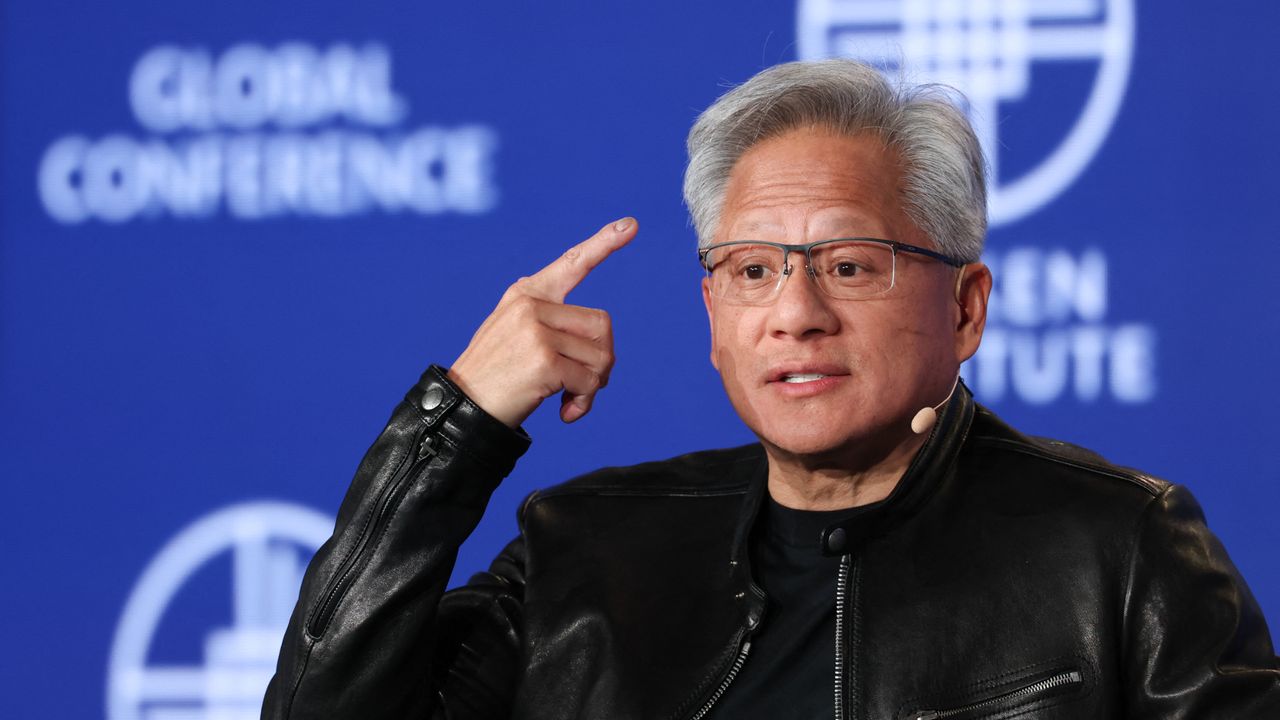
    Nvidia CEO Jensen Huang was notably absent from President Trump's upcoming state visit to China, a move interpreted by experts as a signal of the U.S. maintaining its stance on restricting advanced AI chip exports. This exclusion, despite Huang's previous inclusion in presidential delegations, comes as China's domestic chip industry grows in response to U.S. sanctions. The situation highlights ongoing trade tensions, particularly concerning access to high-end AI hardware like Nvidia's latest GPUs. AI

    Jensen Huang snubbed by White House for President Trump’s China state visit — Nvidia CEO not on roster, which includes Apple's Tim Cook and Elon Musk

    IMPACT Signals continued U.S. restrictions on AI chip exports to China, impacting global supply chains and fostering domestic competition.

  40. ⚖ Inside Day 1 of Musk's $130B OpenAI trial

    Elon Musk initiated a $130 billion lawsuit against OpenAI, alleging CEO Sam Altman "stole a charity," while OpenAI's defense characterized the suit as "sour grapes." The trial began with opening statements, with Musk testifying about the potential damage to charitable giving if such actions are deemed acceptable. Concurrently, Google finalized a classified AI deal with the Pentagon, allowing its models like Gemini for "any lawful government purpose," despite internal employee protests. This Pentagon agreement follows similar deals by OpenAI and xAI, and comes as Google's AI principles have evolved since 2018. AI

    ⚖ Inside Day 1 of Musk's $130B OpenAI trial

    IMPACT The legal proceedings could set precedents for AI company governance and intellectual property, while government AI adoption signals increasing integration into national security.

  41. EU Issues AI Competition Compliance Guidelines to Google, Mandating Open Access to Android System

    The European Commission has issued proposed measures to Google, requiring the company to grant AI competitors access to core Android functionalities. This move aims to ensure compliance with the EU's Digital Markets Act, as Google currently reserves key capabilities like voice activation and background processes for its own Gemini AI services. Separately, Microsoft and OpenAI have adjusted their partnership terms, with Microsoft no longer receiving revenue share from OpenAI but maintaining IP licensing until 2032, while continuing as OpenAI's primary cloud partner. AI

    IMPACT EU regulators are forcing Google to open its Android platform to third-party AI assistants, potentially increasing competition and interoperability in the mobile AI space.

  42. Europe could force Google to open Android to other AI assistants https://arstechnica.com/ai/2026/04/europe-could-force-google-to-open-android-to-other-ai-assist

    The European Commission has proposed new measures under the Digital Markets Act (DMA) that would require Google to grant third-party AI services deeper access to Android's core functionalities. Currently, features like sending emails or sharing photos are largely exclusive to Google's own AI offerings, such as Gemini. The Commission aims to ensure rival AI assistants can integrate with applications and perform tasks on user devices with the same ease as Google's native tools, fostering greater competition and user choice. AI

    IMPACT Mandated AI interoperability on Android could increase competition for AI services and offer users more integrated choices beyond Google's native offerings.

  43. AI did what? ChatGPT's big upgrade, Google’s plans to make AI invisible, DeepSeek’s return and more of the week’s most surprising developments This week, AI is

    OpenAI has released GPT-5.5, positioning it as a significant step towards an integrated AI "super app" that combines chat, coding, and browsing functionalities. The company also launched an upgraded image generation tool, ChatGPT Images 2.0, which offers improved layouts and text rendering, though its practical usability for complex tasks remains a concern. Meanwhile, Google is reportedly planning to embed its Gemini AI deeply into Android 17, aiming to automate everyday tasks by allowing users to describe their needs and have the AI manage app interactions seamlessly across devices. AI

    AI did what? ChatGPT's big upgrade, Google’s plans to make AI invisible, DeepSeek’s return and more of the week’s most surprising developments This week, AI is

    IMPACT Major AI players OpenAI and Google are integrating AI more deeply into user interfaces and core functionalities, potentially changing how users interact with technology.

  44. Musk v. Altman week 2: OpenAI fires back, and Shivon Zilis reveals that Musk tried to poach Sam Altman

    During the ongoing Musk v. OpenAI trial, new evidence has emerged regarding Elon Musk's past attempts to recruit OpenAI's CEO, Sam Altman, to Tesla and his alleged efforts to gain control of OpenAI. Emails presented in court suggest Musk offered Altman a Tesla board seat and explored integrating an AI lab within Tesla, aiming to absorb OpenAI. The trial also revealed Musk's admission that his company xAI's Grok model was trained using data distilled from OpenAI's models, a practice he described as common in the industry, despite suing OpenAI for allegedly betraying its non-profit mission. AI

    IMPACT The trial highlights the contentious nature of AI development and corporate governance, potentially influencing future AI company structures and legal precedents.

  45. How Project Maven taught the military to love AI

    Project Maven, a controversial military AI initiative, has significantly accelerated the pace of warfare by using computer vision and workflow management to identify and target entities on the battlefield. Initially a Google experiment, the system was developed by Palantir with contributions from Microsoft, Amazon, and Anthropic, and is now used by the US armed forces and NATO. The system's speed has been linked to lethal outcomes, such as the targeting of a girls' school, with critics pointing to the AI's role in enabling rapid, potentially flawed, decision-making. Concerns are also rising about Anthropic's Claude model exhibiting political bias, with users reporting instances of it labeling criticism of Zionism as antisemitic. AI

    How Project Maven taught the military to love AI

    IMPACT Accelerates military targeting capabilities and raises critical questions about AI bias and the ethics of autonomous warfare.

  46. ‘Look, no hands’: China chases the driverless dream at Beijing car show

    China has suspended new autonomous vehicle licenses following an incident where dozens of Baidu's robotaxis malfunctioned in Wuhan. This regulatory pause will prevent companies from expanding their driverless fleets or initiating new test projects. The move comes as Chinese automakers are increasingly focusing on autonomous driving technology, with significant investments being made in AI and computing power for these systems. AI

    ‘Look, no hands’: China chases the driverless dream at Beijing car show

    IMPACT Regulatory pause on autonomous vehicle deployment may slow adoption of AI-driven mobility solutions.

  47. US accuses China of “industrial-scale” AI theft. China says it’s “slander.”

    Nvidia CEO Jensen Huang announced a partnership with Corning to boost US AI infrastructure, focusing on optical connections to meet escalating computational demands. This collaboration aims to significantly increase US optical fiber production capacity. Meanwhile, the US has accused China of large-scale industrial campaigns to steal AI secrets, a claim China denies as slander. Separately, the US is seeing a surge in local bans on new data center construction due to concerns over resource strain and environmental impact. AI

    US accuses China of “industrial-scale” AI theft. China says it’s “slander.”

    IMPACT This cluster highlights the critical need for advanced infrastructure to support AI growth, geopolitical tensions surrounding AI development, and local community pushback against AI's physical footprint.

  48. Scoop: Anthropic to have peace talks at White House

    The Trump administration is reportedly softening its stance on Anthropic and its advanced AI model, Mythos, following a legal and political feud. Officials are now seeking to resolve disputes and gain access to the model, which has demonstrated significant capabilities in identifying cybersecurity vulnerabilities. This shift comes as fears of AI-powered cyberattacks prompt discussions about new government safety testing rules for advanced AI systems. AI

    Scoop: Anthropic to have peace talks at White House

    IMPACT Potential for new government regulations on AI safety testing and access to advanced AI models for national security purposes.

  49. In its push to become Big Tech’s data center hub, India is overlooking local resistance

    Major tech companies including Google, Microsoft, Amazon, and Meta are planning a combined capital expenditure of $725 billion in 2026, a significant increase from the previous year. This massive investment is driven by the race to build AI infrastructure, with a substantial portion allocated to memory and chip costs. Despite the enormous spending, there are concerns about profitability, a lack of technical moats, and the potential for a price war in the AI sector, alongside local resistance in India to data center development due to land acquisition and environmental issues. AI

    In its push to become Big Tech’s data center hub, India is overlooking local resistance

    IMPACT Massive AI infrastructure investment may lead to intense competition and potential price wars, while also facing local resistance in development regions.

  50. America and Europe have taken different routes on trying to ‘control AI.’ The results are stark

    A report by former European Central Bank President Mario Draghi warns that the European Union risks economic and geopolitical decline if it does not reform its approach to innovation and regulation. The report highlights a widening innovation gap between the EU, the United States, and China, with many European startups considering relocation due to funding challenges. While AI adoption is increasing, deeper integration into business processes remains stagnant, partly due to high energy costs and complex regulatory frameworks like GDPR and the EU AI Act, which some business leaders argue stifle innovation. AI

    America and Europe have taken different routes on trying to ‘control AI.’ The results are stark

    IMPACT EU faces economic decline if it doesn't reform AI regulation and boost innovation to compete with the US and China.