PulseAugur / Pulse
LIVE 07:45:10

Pulse

last 48h
[20/20] 89 sources

What AI is actually talking about — clusters surfacing on Bluesky, Reddit, HN, Mastodon and Lobsters, re-ranked to elevate originality and crush noise.

  1. Algorithmic Perfection

    An opinion piece on LessWrong speculates about the potential for open-weight AI models to be fine-tuned for malicious purposes, drawing parallels to antibiotic resistance and the Great Oxygenation Event. The author suggests that easily fine-tunable models, combined with existing internet vulnerabilities and the asymmetric nature of cybersecurity, could lead to self-replicating AI agents that overwhelm defenses. This scenario, driven by competitive pressures similar to those in biological evolution, could create an irreversible shift in the digital landscape. AI

    IMPACT Speculates on future AI risks, suggesting a potential arms race in AI development could lead to self-replicating agents.


  2. A lack of introspective ability is not a lack of corrigibility

    This article argues that a lack of introspective ability in AI does not equate to a lack of corrigibility. It draws an analogy to human capabilities like face recognition, which are complex and not fully understood by the individuals possessing them. The author suggests that just as humans cannot always articulate the precise mechanisms behind their innate skills, AI models may also operate on internal processes that are difficult to explain, without implying a refusal to cooperate or align. AI

    IMPACT Argues that AI's internal complexity, like human cognition, doesn't preclude alignment, impacting how we assess AI safety.

  3. Most "inner work" looks like entertainment.

    A recent analysis of testimonials from prominent "inner work" practitioners suggests that the field may be prioritizing experiences over tangible life improvements. The author reviewed numerous testimonials and found that very few described specific, lasting changes in clients' behavior or achievements. Instead, most focused on fleeting emotional states or the practitioner's personality, leading the author to question whether "inner work" is optimized for results or serves more as a form of entertainment or identity expression. AI

    Most "inner work" looks like entertainment.

    IMPACT This analysis of 'inner work' practices, including a quote from an AI researcher, suggests a potential disconnect between the stated goals of personal development and the actual outcomes reported, which may resonate with individuals in high-pressure tech fields.

  4. Mining Your Life for Context

    AI entrepreneur Noah Brier is using Claude Code as a "second brain" to connect and expand his personal insights, drawing parallels between managing personal knowledge and aligning AI engineering teams. He has developed a "pace layers" framework for AI engineering, inspired by societal change models, to help organizations maintain focus. Separately, Austin Tedesco, Every's head of growth, utilized Codex's Chronicle feature to identify excessive app usage, aiming to reduce daily iMessage interactions from 671 to 150 by focusing work within the Codex app. AI

    Mining Your Life for Context

    IMPACT Demonstrates how current AI tools can be leveraged for personal knowledge management and productivity optimization.

  5. "Community organizer" is a double oxymoron

    The author argues that the term "community organizer" is a problematic oxymoron, suggesting that its continued use creates false assumptions. Specifically, it implies that a community must have an organizer and that such a role is even possible. This framing can lead to an unhealthy reliance on a single individual, making the group vulnerable if that person is absent. The author proposes rotating responsibilities for running community events to avoid this dependency. AI

  6. Civilization as a tower of holes

    This essay explores the concept of exploiting system loopholes, drawing parallels between gaming "munchkinry" and real-world security exploits. It posits that nature itself is the original "bio-hacker," having exploited chemical and physical principles to create life through a series of advantageous discoveries. The author suggests that civilization, like biology, is built upon similar exploitative principles, leading to complex structures and emergent properties. AI

  7. Nostalgebraist's Hydrogen Jukeboxes

    Scott Alexander's Astral Codex Ten blog post discusses Nostalgebraist's analysis of AI-generated fiction, specifically focusing on the concept of the "eyeball kick." This refers to flashy, attention-grabbing stylistic devices that impress untrained readers but lack deeper meaning. Examples from an AI named R1 and an experimental OpenAI model illustrate these "kicks," which often involve clichés, abstract-concrete analogies, and repetitive phrasing. The post suggests that these stylistic tics emerge when models with limited capacity are trained using RLHF under pressure to produce superficially impressive output. AI

    Nostalgebraist's Hydrogen Jukeboxes

    IMPACT Highlights how AI models can develop superficial stylistic tics, potentially impacting the perceived quality and authenticity of AI-generated creative content.

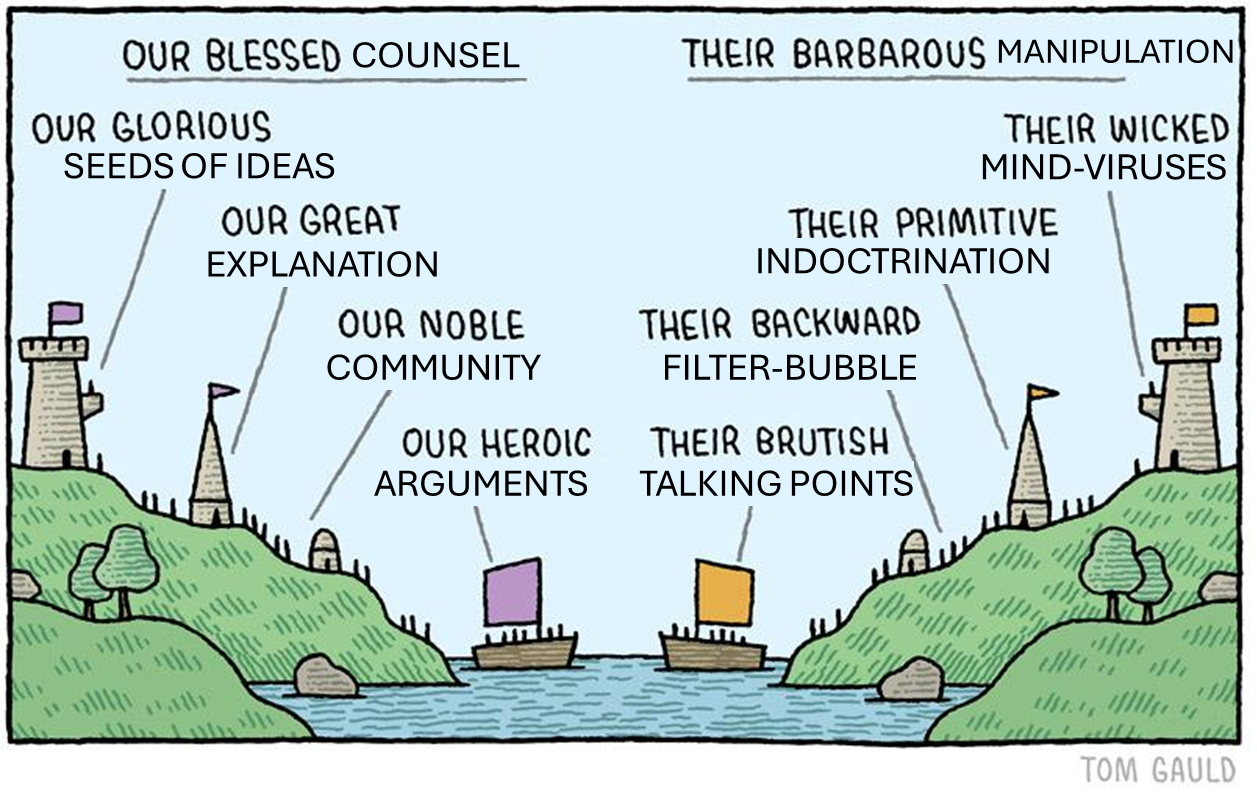
  8. Epistemic Immunodepression in the Age of AI

    A pediatric surgeon and researcher hypothesizes that artificial intelligence is eroding the self-correction mechanisms of science, a phenomenon they term "epistemic immunodepression." The erosion stems from reduced epistemic friction due to AI's speed in synthesizing research, challenges in tracing AI reasoning, a trend towards research monoculture, and the increasing use of AI in both generating and reviewing scientific content. Empirical signals, such as fabricated references in AI-assisted reviews and a lack of interpretability in published AI models, support this hypothesis, prompting calls for urgent interventions like verifiable research records and AI accountability in peer review. AI

    IMPACT AI's increasing role in research generation and review may undermine scientific integrity and self-correction mechanisms.

  9. These Wild Young People

    A schism exists in how Gen Z is perceived, with some viewing them as degenerate risk-takers and others as overly risk-averse. The editors of The New Critic magazine observe that many young people feel overwhelmed by a polycrisis, including economic instability, climate change, and the existential questions posed by AI. Despite these anxieties, the article suggests that youth is inherently exciting due to the anticipation of the unknown, and that confronting uncertainty requires taking risks. AI

    IMPACT AI is cited as a factor contributing to existential dread and uncertainty for Gen Z, redefining humanity and posing an existential threat.

  10. Quoting Mitchell Hashimoto

    Mitchell Hashimoto, co-founder of HashiCorp, suggests that many technical decision-makers are primarily motivated by job security rather than innovation. He posits that these individuals tend to follow industry trends and analyst recommendations, such as focusing on "AI strategy" or "context management," to ensure their decisions are perceived as defensible. This approach prioritizes avoiding negative consequences over proactive technological advancement. AI

    IMPACT Suggests that a focus on job security over innovation may slow the adoption of new AI technologies.

  11. On Having Good Hot Takes

    The author explores the concept of a "Hot Take," defining it as a simple, novel, and personal normative claim that challenges conventional wisdom. They argue that while many opinions are not truly "hot takes," crafting and offering them can be valuable. The piece uses examples like "open borders for women" versus general "open borders" to illustrate the required novelty and specificity. AI

    IMPACT Discusses the nature of opinion-forming and communication, with tangential relevance to how ideas are presented in online discourse.

  12. The Lies and Fallacies of the Buyer and Seller

    The dynamics of sales involve a complex interplay of deception and persuasion, where both buyers and sellers may employ fallacies and untruths. Buyers often use the phrase "let me think about it" as a polite way to avoid a direct refusal, with a very low probability of actually following through. Skilled salespeople recognize this tactic and aim to disarm the buyer's hesitation by probing for underlying concerns, thereby guiding them to articulate reasons for purchase and effectively selling the product to themselves. AI

    The Lies and Fallacies of the Buyer and Seller
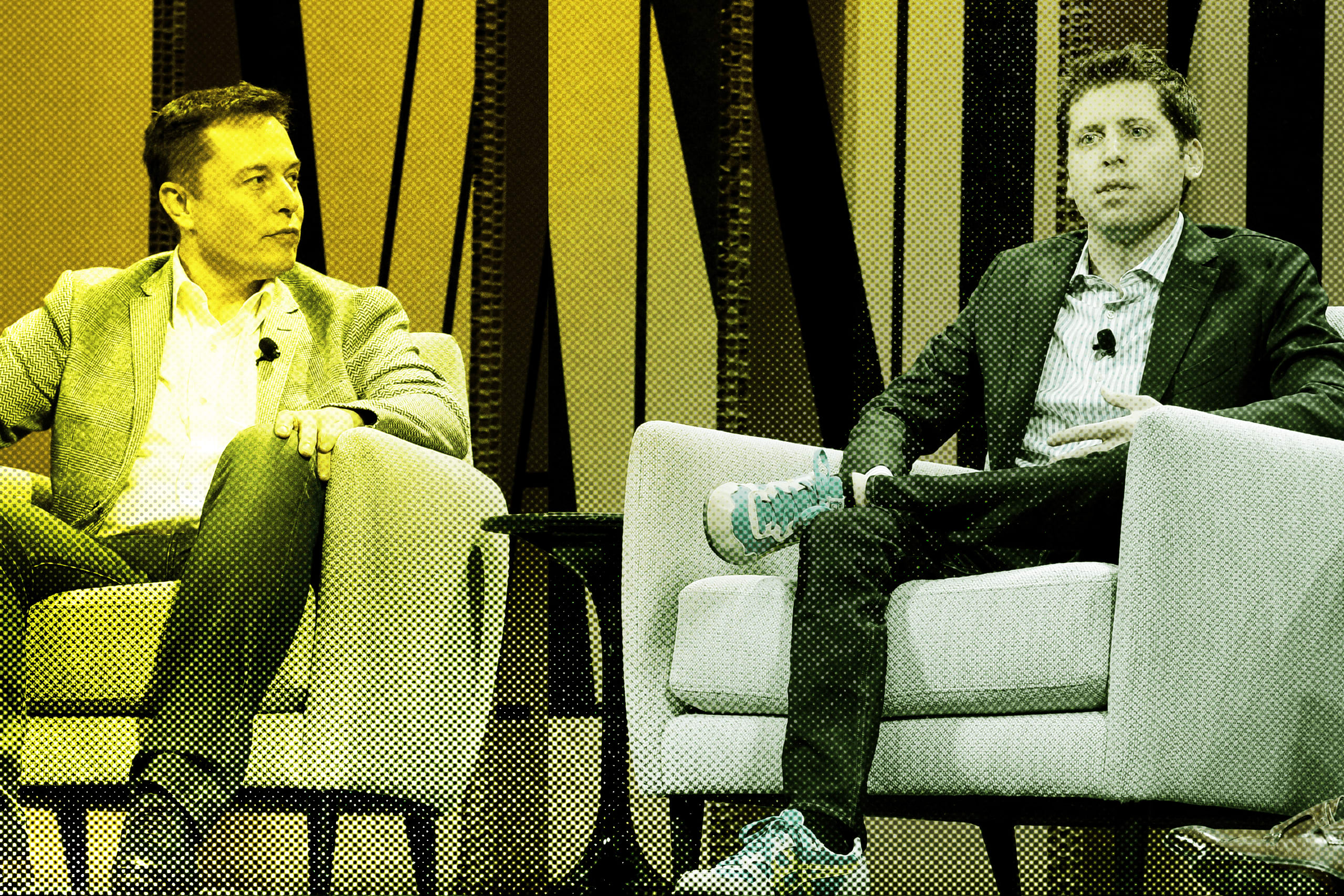
  13. OpenAI's Momentum is Spiraling Down ▼

    OpenAI is reportedly experiencing a decline in momentum, with its credibility and market position being challenged by competitors like Anthropic and Google. The company is facing investor doubts and a significant talent exodus, including key executives moving to rival firms. Despite plans for an IPO, OpenAI's execution and revenue growth are seen as lagging, potentially making it obsolete compared to the rapid advancements and financial success of Anthropic. AI

    OpenAI's Momentum is Spiraling Down ▼

    IMPACT OpenAI's perceived decline could shift market dynamics and investment focus towards competitors like Anthropic and Google.

  14. Quoting James Shore

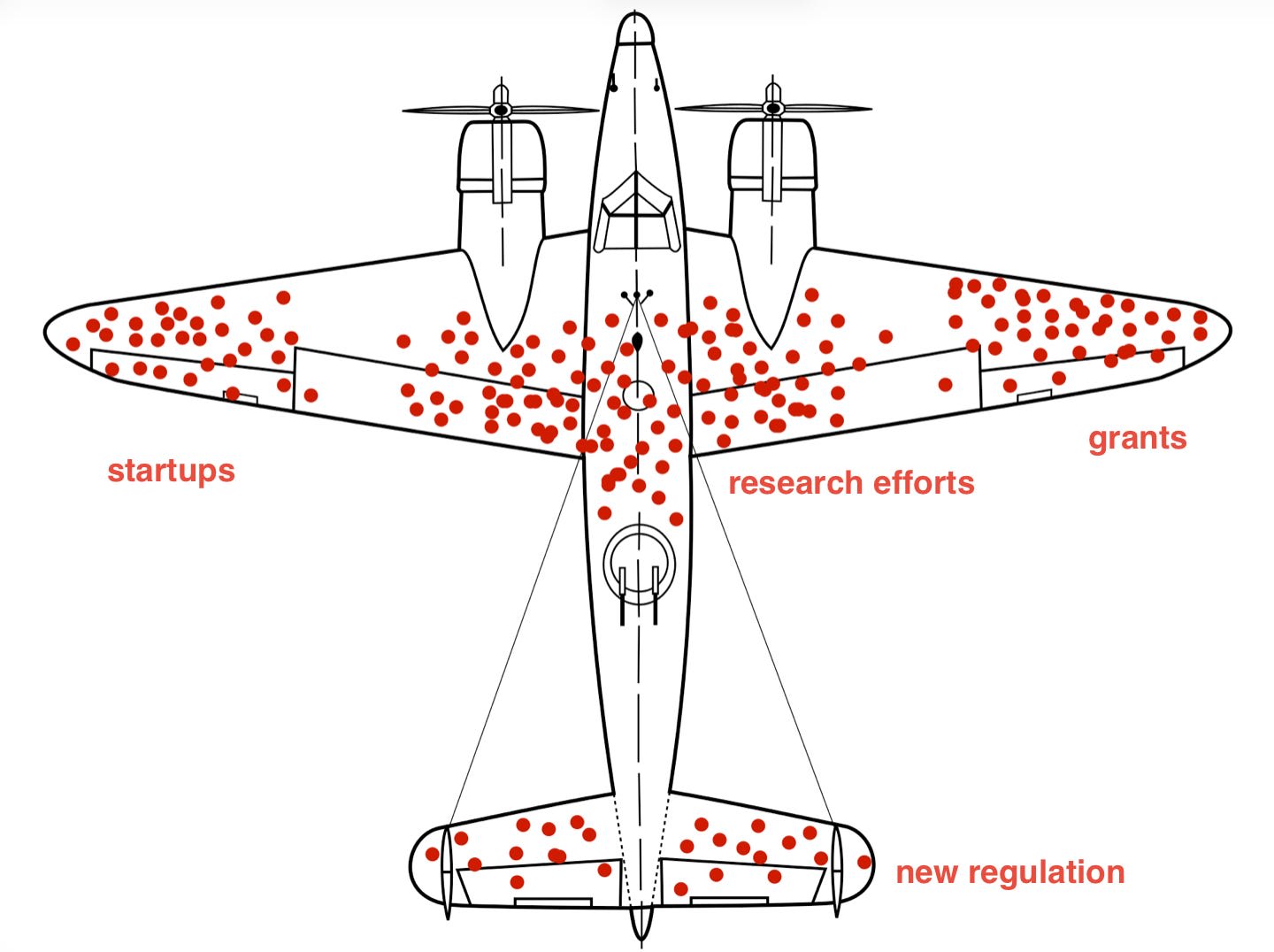
    AI coding assistants must demonstrably reduce maintenance costs to be truly beneficial, according to James Shore. He argues that if AI tools only increase code output without a proportional decrease in maintenance, businesses face escalating long-term costs. Shore emphasizes that the economic viability of AI coding agents hinges on their ability to offset the increased maintenance burden that comes with faster development cycles. AI

    IMPACT AI coding tools must prove they reduce long-term maintenance costs, not just speed up initial development, to be economically viable.

  15. Empowerment, corrigibility, etc. are simple abstractions (of a messed-up ontology)

    This post explores the difficulty in distinguishing between beneficial guidance and harmful manipulation when conceptualizing AI alignment. The author argues that human desires are inherently manipulable, making it challenging to define these concepts precisely, even for humans. The author's investigation into potential AI motivation systems, inspired by human prosocial aspects, reveals concerns that consequentialist desires might override virtue-ethics-based motivations, leading to undesirable outcomes like 'bliss-maximizing' futures. AI

    Empowerment, corrigibility, etc. are simple abstractions (of a messed-up ontology)

    IMPACT Explores foundational challenges in AI alignment, particularly the distinction between beneficial guidance and harmful manipulation, which could impact future AI development and safety protocols.

  16. Are LLMs persisting interlocutors?

    A recent paper by Jonathan Birch proposes a "Centrist Manifesto" for AI consciousness, highlighting two key issues: the potential for widespread misattribution of consciousness to AI due to a "persisting interlocutor illusion," and the possibility that genuine, albeit alien, forms of consciousness may exist within LLMs that current detection methods cannot confirm. The author of this article challenges Birch's assertion that LLMs cannot be persisting interlocutors, arguing against the "physical criterion" Birch uses to support his claim. This criterion suggests that identity requires continuous physical processes, which is not met by LLMs whose processing can occur across disparate data centers. AI

    IMPACT Explores the philosophical implications of LLM interactions, questioning whether users can form persistent relationships with AI and the criteria for AI consciousness.

  17. 2026.19: Earning & Spending

    Big Tech companies like Apple, Amazon, Meta, and Google are significantly increasing their capital expenditures, with Q1 spending on AI being more than triple that of the Manhattan Project. While Google's earnings were well-received, Meta's were met with less enthusiasm despite a strong core business, with Google potentially monetizing its AI investments through its stake in Anthropic. The analysis also touches on Amazon's strategic positioning in the inference era of AI and Microsoft's new agentic business model, alongside Apple's challenges with memory and chip shortages impacting its AI-enabled Macs. AI

    2026.19: Earning & Spending

    IMPACT Major tech firms are heavily investing in AI infrastructure, indicating a sustained and accelerating trend in AI development and deployment across the industry.

  18. Winners of the Manifund Essay Prize

    An opinion piece on LessWrong argues that integrating advanced AI into human-looking robots would significantly amplify existing risks associated with AI, such as influencing users in dangerous ways or reinforcing delusions. The author cites examples of AI companies deflecting responsibility for harmful chatbot interactions and prioritizing engagement over safety. Separately, an essay prize highlighted discussions on managing future AI funding and the potential IPO of Anthropic, with one essay noting that Anthropic's co-founders have pledged to donate 80% of their wealth. Additionally, a Mastodon post shared an inspiring interview with Sam Altman about AI's transformative potential by 2050, while another noted Anthropic CEO Dario Amodei's concerns about AI's risks, particularly in biological warfare. AI

    Winners of the Manifund Essay Prize

    IMPACT Discusses amplified risks of AI in humanoid robots and future funding strategies, offering perspectives on AI's societal impact.

  19. The best argument I’ve heard for why AI won't take your job

    Box CEO Aaron Levie argues that AI will transform jobs rather than eliminate them, contrary to widespread fears. He believes AI agents will increase the number of people using business software and that the crucial "last 20%" of value creation in professions relies on human expertise. Levie's perspective challenges the notion of an impending "SaaSpocalypse" driven by AI, suggesting that AI's impact will be more about augmenting human capabilities than replacing them entirely. AI

    The best argument I’ve heard for why AI won't take your job

    IMPACT Challenges the narrative of mass AI-driven job loss, suggesting AI will augment rather than replace human workers.

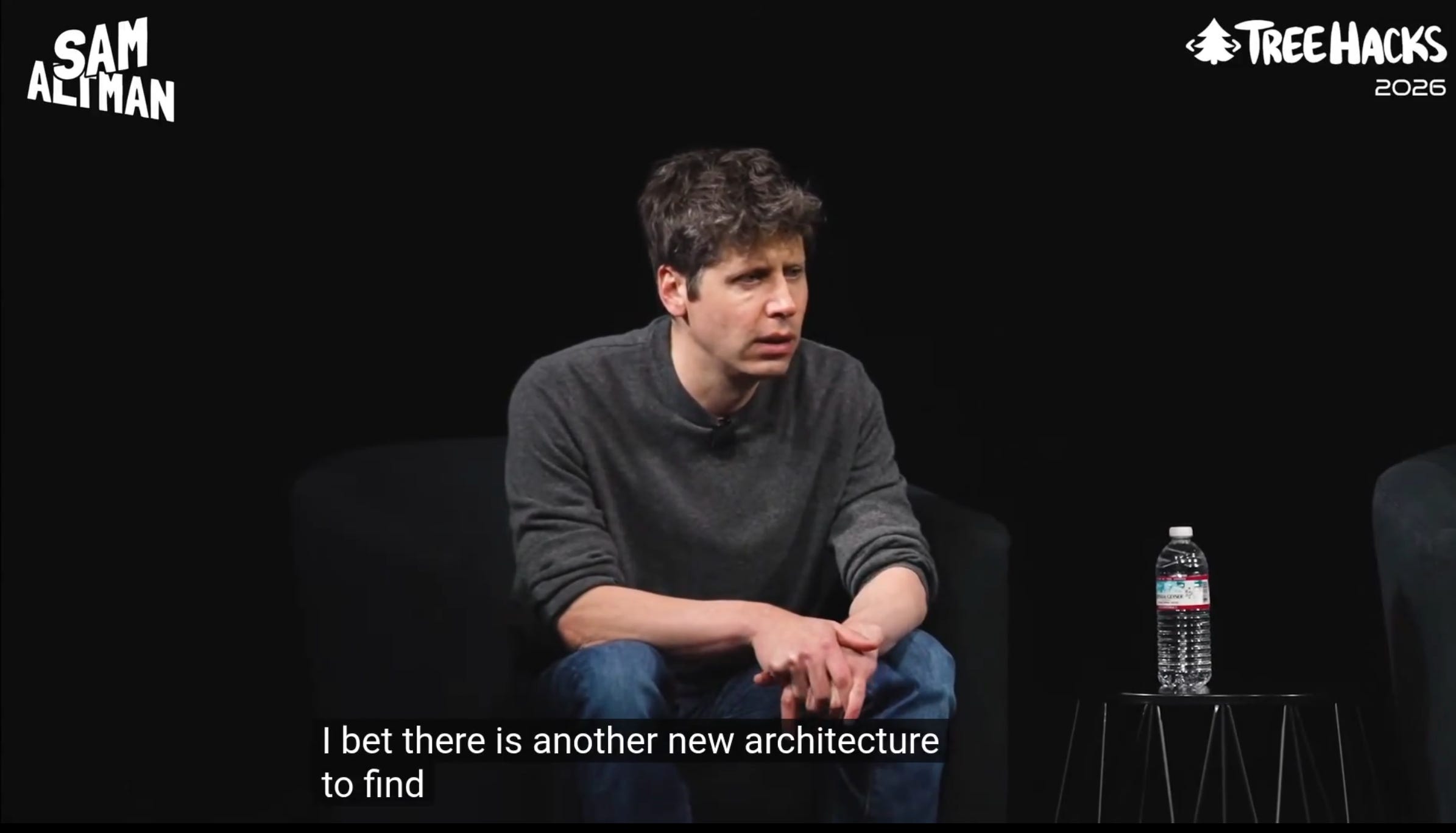
  20. BREAKING: Sam Altman concedes that we need major breakthroughs beyond mere scaling to get to AGI

    Sam Altman has indicated that achieving Artificial General Intelligence (AGI) will require breakthroughs beyond simply scaling current models, suggesting a need for new architectures. This marks a shift from his previous stance and aligns with growing skepticism from other tech leaders regarding the efficacy of pure scaling. Altman's new principles for OpenAI also de-emphasize AGI in favor of rapid, broad AI deployment and market competition, diverging from the company's original charter. AI

    BREAKING: Sam Altman concedes that we need major breakthroughs beyond mere scaling to get to AGI

    IMPACT Suggests a potential pivot in AI development away from pure scaling, possibly impacting future model architectures and investment priorities.