PulseAugur
EN
LIVE 20:49:50

PCA explained: Compressing data dimensions for machine learning

This article explains Principal Component Analysis (PCA), a technique used in machine learning and statistics to reduce data dimensionality. It addresses the 'Curse of Dimensionality,' where performance degrades with increasing features. PCA achieves this by transforming high-dimensional data into a lower-dimensional space, though the resulting features may be less interpretable. AI

IMPACT Explains a core dimensionality reduction technique fundamental to many AI and ML workflows.

RANK_REASON The article explains a statistical technique (PCA) and its application in machine learning, which falls under research. [lever_c_demoted from research: ic=1 ai=1.0]

Read on Towards AI →

AI-generated summary · Google Gemini · from 1 sources. How we write summaries →
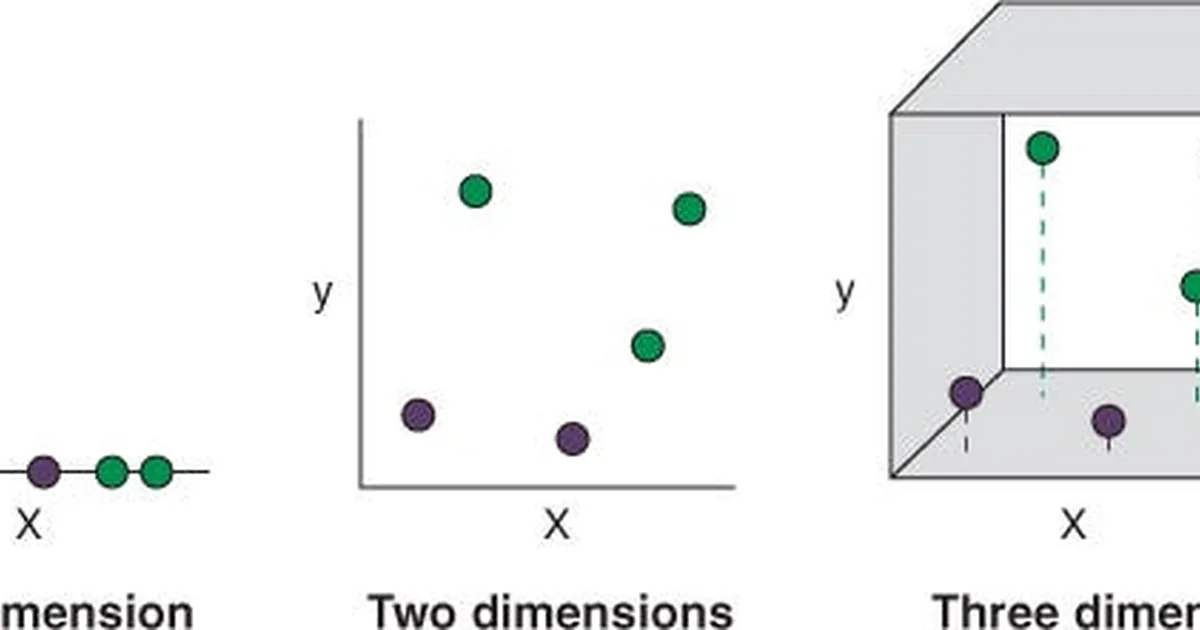
PCA explained: Compressing data dimensions for machine learning

How we ranked this

Signal score
0 / 100
Composite score across the factors below. Higher = stronger signal that this story matters right now.
Newsworthiness bucket
Tool
The article explains a statistical technique (PCA) and its application in machine learning, which falls under research. [lever_c_demoted from research: ic=1 ai=1.0]
Source corroboration
Single-source cluster
Only one publisher covered this so far. Single-source stories can still rank when the publisher is high-authority, but they lack cross-source corroboration.
Topics
paper, other
Editorial topic classification. Feeds into how the story surfaces on /topic/<slug> hub pages and into the per-entity coverage mix.
AI-industry relevance
High
Clearly on-topic for AI-industry coverage.
Story freshness
109 days old
Aged out of breaking-news scoring windows; ranking reflects the durable signal from the full source set.

Full methodology in our editorial standards.

COVERAGE [1]

  1. Towards AI TIER_1 English(EN) · Anas Razy ·

    I Can Compress 1000 Dimensions Into 2 — Here’s What PCA Taught Me

    <h4>Understand what PCA is, how it works, and how to implement it in Python with a real world example</h4><blockquote>“If you can’t explain it to a six year old, you don’t understand it yourself.”</blockquote><blockquote>― <strong>Albert Einstein</strong></blockquote><p>I want to…