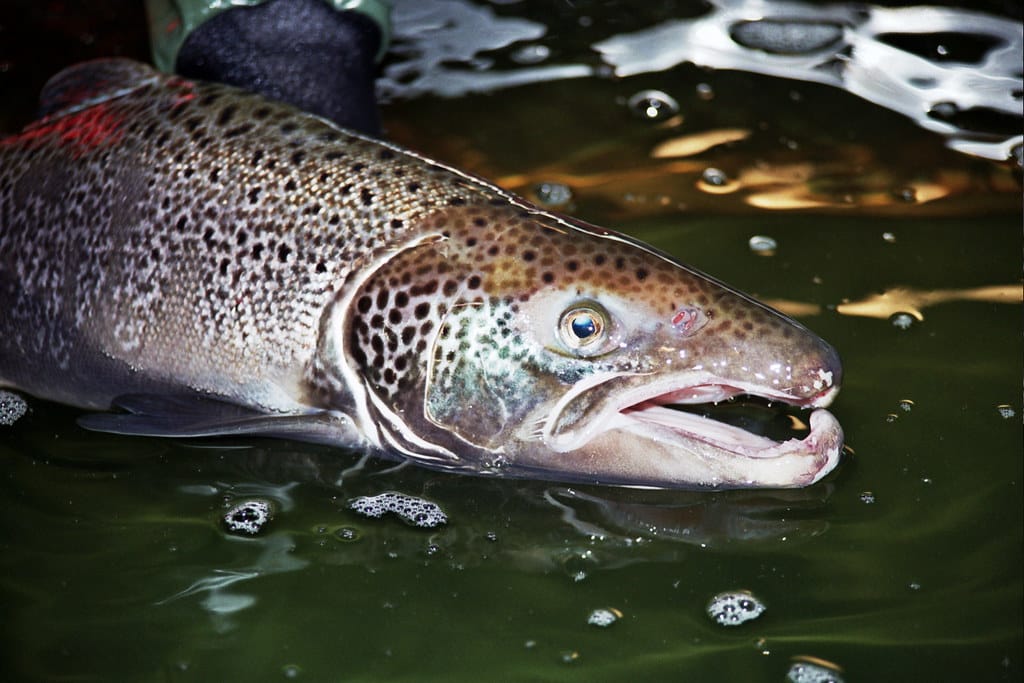
A recent study published in Current Biology observed the effects of cocaine on wild Atlantic salmon, finding that exposed fish exhibited altered swimming patterns and behaviors. This research marks the first time such effects have been documented in a natural environment, as opposed to a controlled laboratory setting. The findings indicate that cocaine and its metabolite can accumulate in salmon brains, impacting their movement and habitat usage, which is significant given the species' ecological and economic importance. AI
Summary written by gemini-2.5-flash-lite from 1 source. How we write summaries →
RANK_REASON The item describes a scientific paper detailing an experiment on fish behavior.