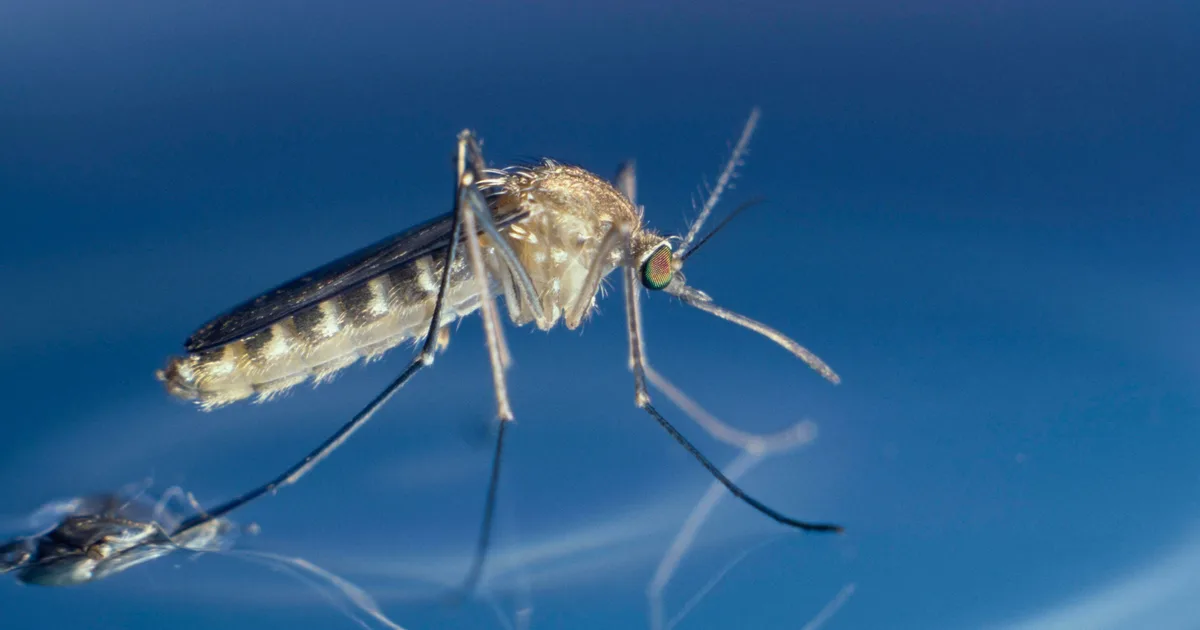
Artificial light at night, a pervasive environmental change, is significantly disrupting the natural dormancy cycles of mosquitoes. A new study reveals that even dim residential lighting can suppress the autumn dormancy of the northern house mosquito, Culex pipiens, more effectively than urban warming. This disruption leads to mosquitoes remaining active, blood-feeding, and reproducing later into the season, potentially increasing the transmission risk of diseases like West Nile virus in urban areas. AI
RANK_REASON New study published in a scientific journal detailing novel research findings. [lever_c_demoted from research: ic=1 ai=0.1]
AI-generated summary · Google Gemini · from 1 sources. How we write summaries →