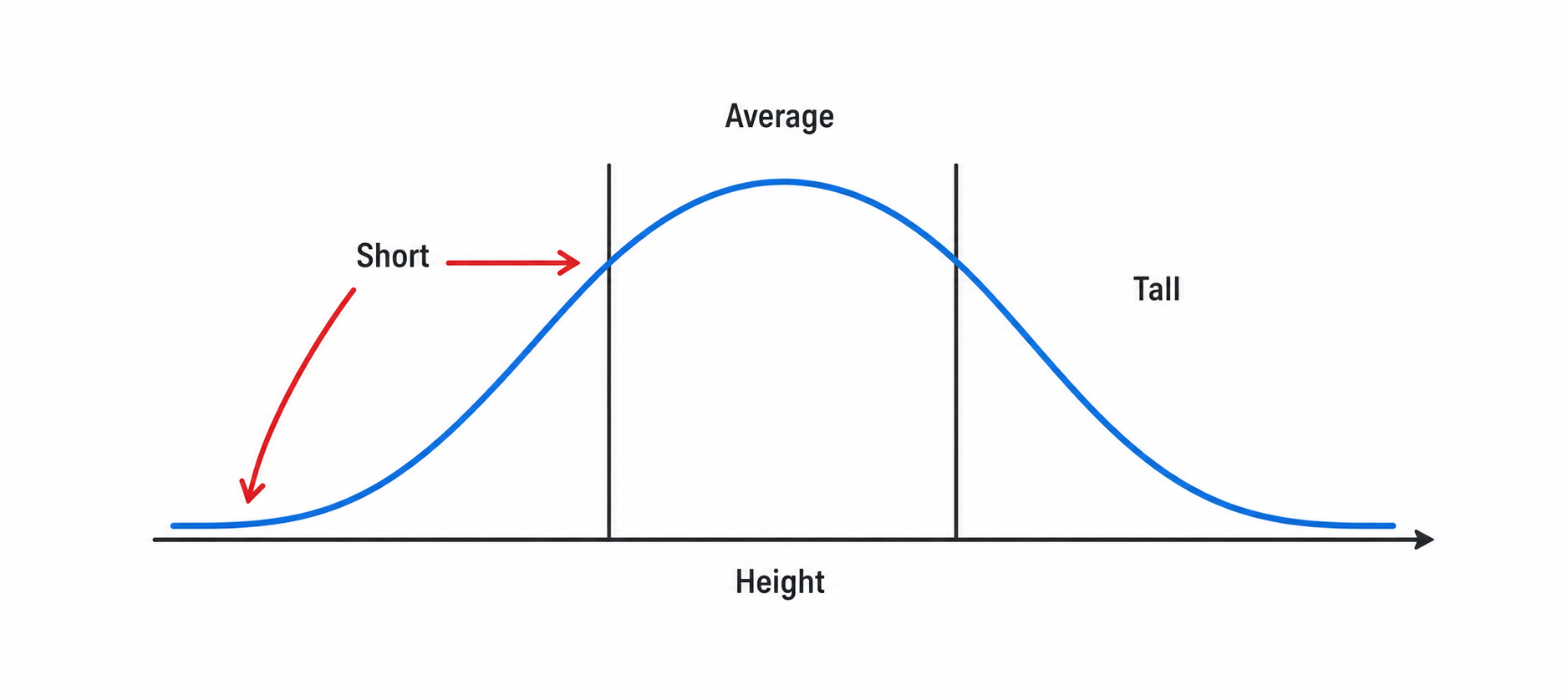
The author argues that regulatory systems relying on discrete "brackets" or thresholds are inherently inefficient and unfair. These systems, common in areas like speed limits, taxes, and legal sentencing, force continuous variations into arbitrary categories. This leads to disproportionate impacts at the edges of brackets, incentivizing behavior to reach the top of a category to maximize perceived value or minimize perceived penalty. Historically, this approach, exemplified by England's "bloody code," resulted in severe punishments for minor offenses and encouraged further criminal escalation due to the marginal cost of additional crimes being near zero. AI
RANK_REASON The cluster contains an opinion piece discussing the flaws of regulatory systems.
AI-generated summary · Google Gemini · from 1 sources. How we write summaries →