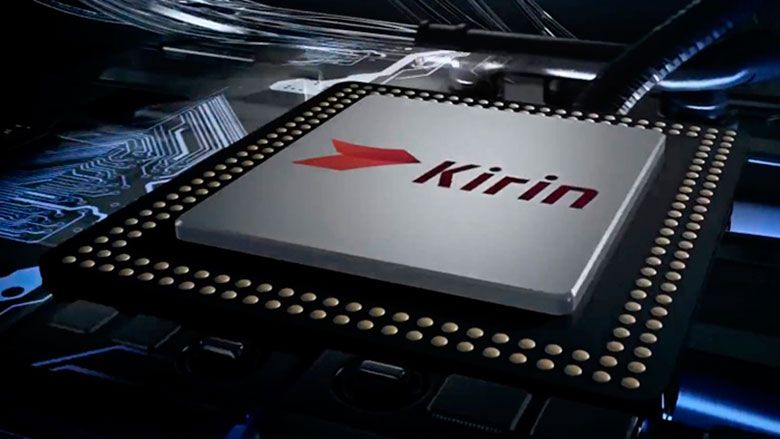
Huawei has announced a new chip architecture called 'LogicFolding' that aims to bypass US sanctions and achieve '1.4nm-class' transistor density by 2031. This new design, based on a 'Tau Scaling Law' that prioritizes signal speed over component size, allows for stacked logic circuits to increase transistor density by 55%. The technology is expected to debut in upcoming Kirin smartphone processors and later be applied to AI and data center chips, potentially offering alternatives to restricted foreign hardware. AI
Summary written by gemini-2.5-flash-lite from 3 sources. How we write summaries →
IMPACT This development could provide China with domestic alternatives for AI and data center chips, potentially impacting global supply chains and competition.
RANK_REASON The announcement details a new chip architecture and scaling law from a major technology company that aims to circumvent international sanctions and compete with established global players.