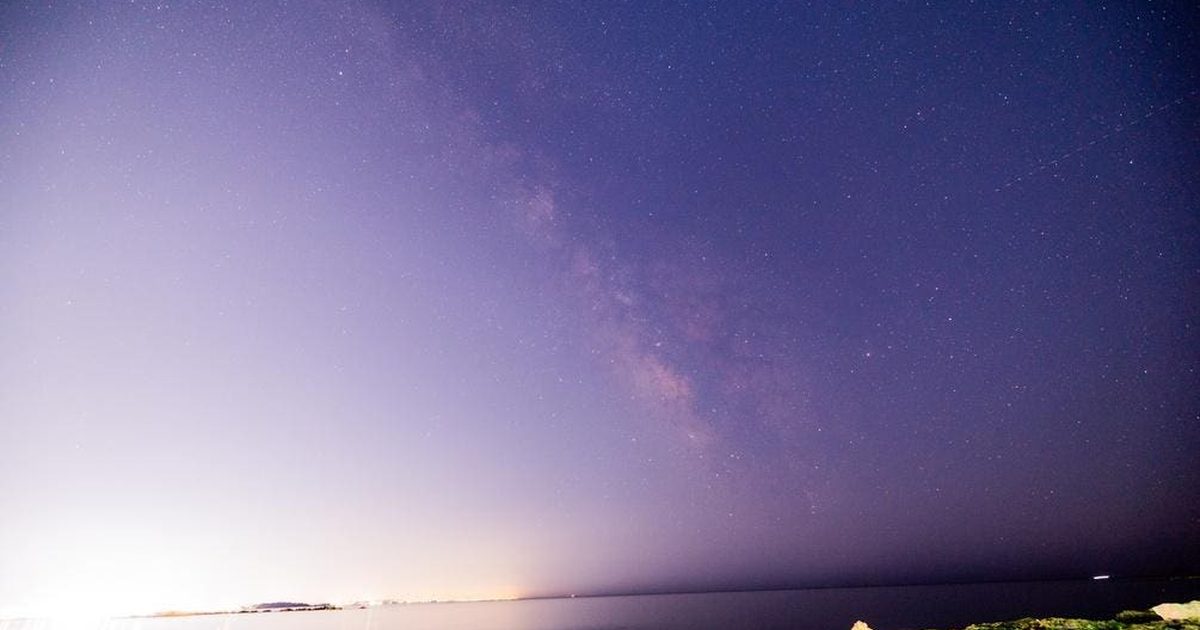
The Royal Astronomical Society in the U.K. is advocating for artificial light at night to be legally classified as pollution. This call stems from a conference where scientists presented evidence of light pollution's detrimental effects on human health, biodiversity, and astronomical research. The society highlights a 10% annual increase in night sky brightness and links excessive light exposure to various health issues and significant declines in insect populations and nocturnal plant-pollinator interactions. To combat this, the RAS proposes five principles for responsible outdoor lighting and urges governments to incorporate light pollution into environmental legislation. AI
RANK_REASON A scientific society is urging governments to enact new environmental policy classifying a widespread phenomenon as pollution. [lever_c_demoted from significant: ic=1 ai=0.1]
- All-Party Parliamentary Group for Dark Skies
- astronomical research
- biodiversity
- Environment Act 2021
- human health
- insects
- Marieta Valdivia Lefort
- night sky
- Royal Astronomical Society
AI-generated summary · Google Gemini · from 1 sources. How we write summaries →