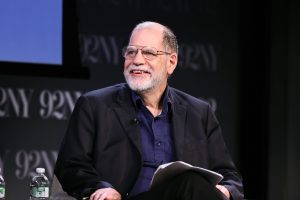
Economist Tyler Cowen argues that AI's primary impact will not be mass unemployment, but rather a profound societal adjustment to altered job roles. He predicts that elite professionals like lawyers and consultants are more at risk than manual laborers, as initiative and adaptability will become the most valued skills. Cowen also criticizes higher education's slow adaptation to AI, viewing student cheating as a symptom of an outdated system. He estimates that approximately half of the U.S. GDP, particularly in sectors like government and healthcare, will be slow to adjust, tempering AI's growth impact to around 2.5% but still managing national debt. AI
IMPACT Discusses the potential societal and economic shifts driven by AI, focusing on adaptation and growth rather than direct technological advancement.
RANK_REASON The cluster features an opinion piece by a notable economist discussing the societal impacts of AI, rather than a direct release or event.
AI-generated summary · Google Gemini · from 1 sources. How we write summaries →