PulseAugur
EN
LIVE 15:00:27

Metropolis reaches $5B valuation with AI recognition economy focus

Metropolis, an AI infrastructure company focused on computer vision for physical spaces, has achieved a $5 billion valuation. The company, which started by solving parking payment issues, now aims to create a "recognition economy" where users are identified seamlessly across various locations. Metropolis recently completed significant acquisitions and secured substantial funding, including a $1.6 billion round led by J.P. Morgan and LionTree. AI

IMPACT Establishes a new valuation benchmark for AI-powered physical infrastructure companies.

RANK_REASON Significant funding round and valuation for an AI infrastructure company. [lever_c_demoted from significant: ic=1 ai=0.7]

Read on Fortune →

AI-generated summary · Google Gemini · from 1 sources. How we write summaries →
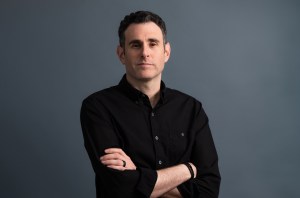
Metropolis reaches $5B valuation with AI recognition economy focus

How we ranked this

Signal score
0 / 100
Composite score across the factors below. Higher = stronger signal that this story matters right now.
Newsworthiness bucket
Research
Significant funding round and valuation for an AI infrastructure company. [lever_c_demoted from significant: ic=1 ai=0.7]
Source corroboration
Single-source cluster
Only one publisher covered this so far. Single-source stories can still rank when the publisher is high-authority, but they lack cross-source corroboration.
Topics
funding, product, infra
Editorial topic classification. Feeds into how the story surfaces on /topic/<slug> hub pages and into the per-entity coverage mix.
AI-industry relevance
High
Clearly on-topic for AI-industry coverage.
Story freshness
141 days old
Aged out of breaking-news scoring windows; ranking reflects the durable signal from the full source set.

Full methodology in our editorial standards.

COVERAGE [1]

  1. Fortune TIER_1 English(EN) · Lily Mae Lazarus ·

    How Metropolis built a $5 billion AI infrastructure company out of America’s parking problem

    CEO Alex Israel says the company’s “recognition economy” thesis could reshape physical infrastructure, blending computer vision, biometrics, and next-generation mobility.