PulseAugur
EN
LIVE 19:44:45

Lunar craters could host ultrastable lasers for navigation and timekeeping

Researchers propose using permanently shadowed lunar craters to build highly stable optical lasers. These lasers could enable a GPS-like navigation system for spacecraft on the Moon and establish the first extraterrestrial atomic timekeeping signal. The extreme cold and vacuum of these craters would minimize vibrations and thermal expansion, allowing for unprecedented laser frequency stability. AI

RANK_REASON Research proposal detailing a novel application of lunar environments for scientific instrumentation. [lever_c_demoted from research: ic=1 ai=0.1]

Read on NIST News →

AI-generated summary · Google Gemini · from 1 sources. How we write summaries →
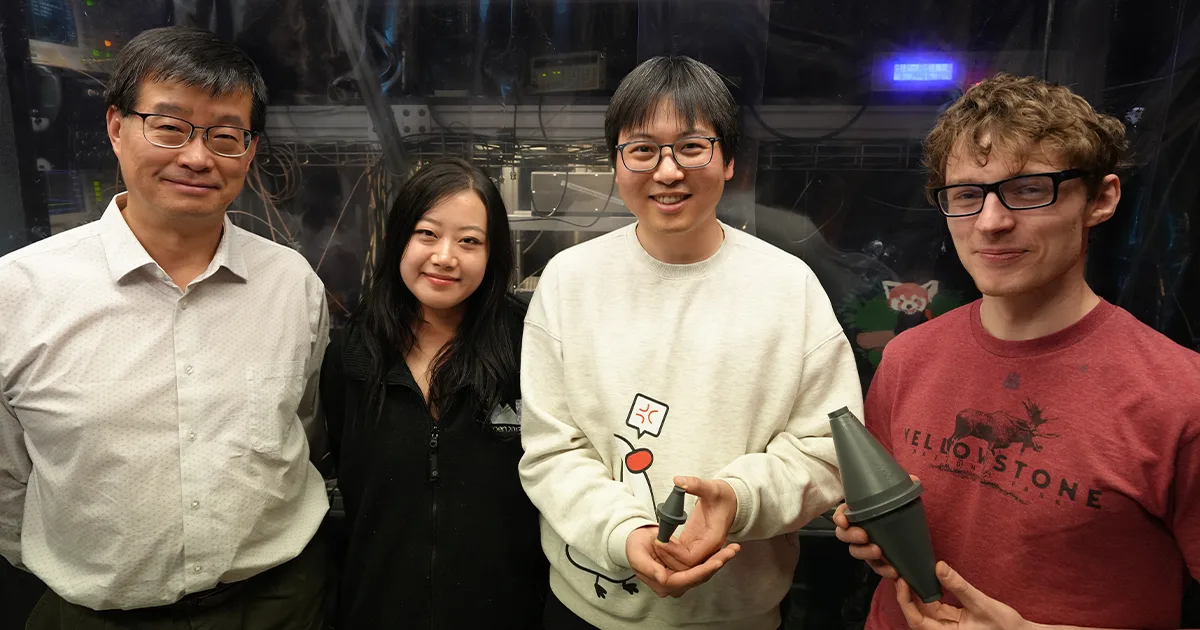
Lunar craters could host ultrastable lasers for navigation and timekeeping

How we ranked this

Signal score
0 / 100
Composite score across the factors below. Higher = stronger signal that this story matters right now.
Newsworthiness bucket
Tool
Research proposal detailing a novel application of lunar environments for scientific instrumentation. [lever_c_demoted from research: ic=1 ai=0.1]
Source corroboration
Single-source cluster
Only one publisher covered this so far. Single-source stories can still rank when the publisher is high-authority, but they lack cross-source corroboration.
Topics
product, other
Editorial topic classification. Feeds into how the story surfaces on /topic/<slug> hub pages and into the per-entity coverage mix.
AI-industry relevance
Low
Off-topic or adjacent — cluster remains reachable but doesn't surface in AI-industry rankings.
Story freshness
143 days old
Aged out of breaking-news scoring windows; ranking reflects the durable signal from the full source set.

Full methodology in our editorial standards.

COVERAGE [1]

  1. NIST News TIER_1 English(EN) · Sarah Henderson ·

    Shooting for the Moon: Ultrastable Lasers in Dark Craters Could Enable Lunar Navigation, Precision Timekeeping, New Science

    Lunar craters in permanent shadow could be ideal locations for building the most stable optical lasers ever made.