PulseAugur
EN
LIVE 11:55:34

Ladybird browser alpha released, leveraging AI for rapid development

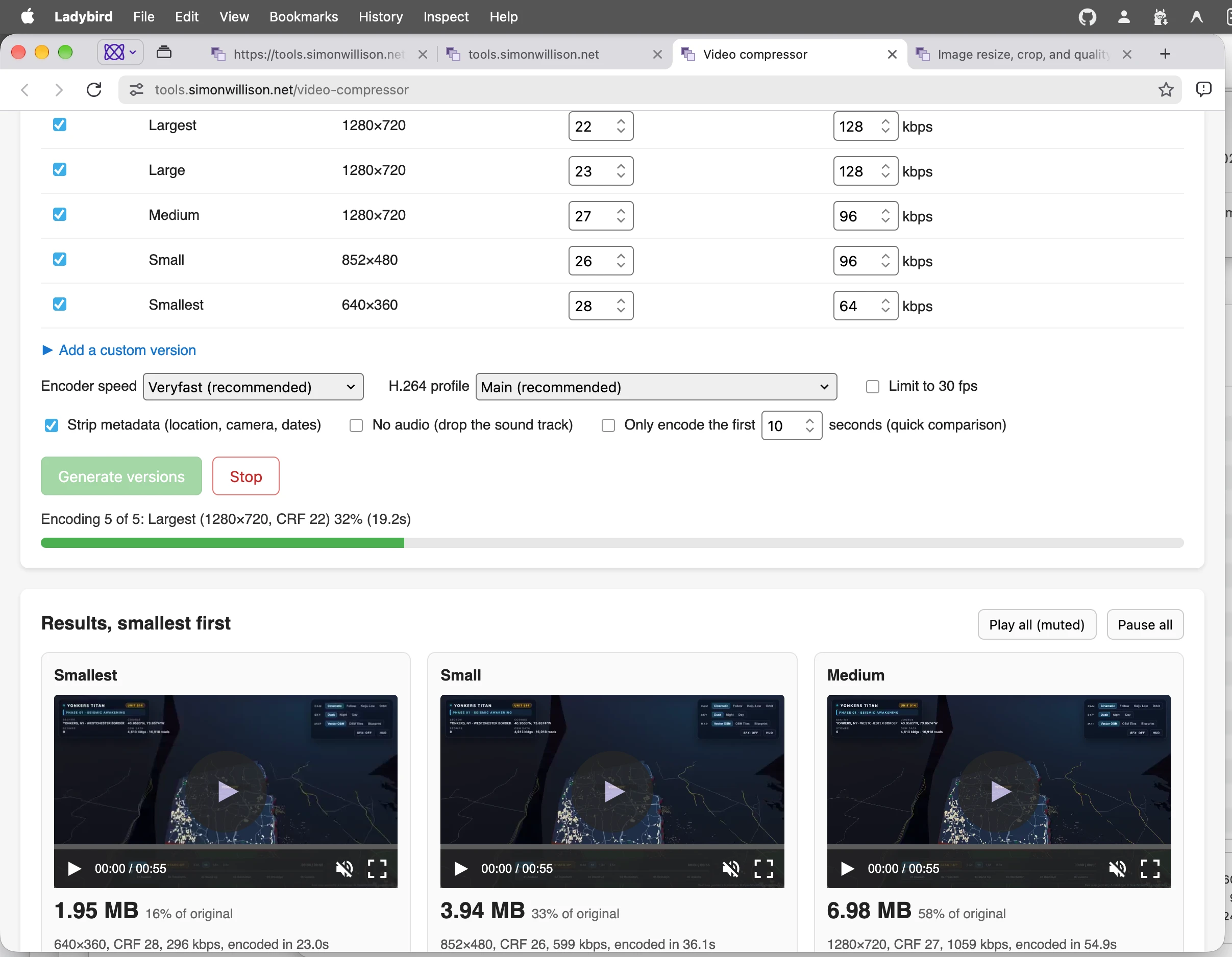
The Ladybird browser project has released its first alpha version, allowing users to install the browser on macOS and Linux without manual compilation. This ambitious project, built from scratch with its own implementations of core web components like HTML parsing, CSS, layout, and JavaScript, has shown impressive performance and a lightweight UI. The project has significantly leveraged AI coding agents, particularly for porting code to Rust and fixing web-platform tests, resulting in substantial improvements and outperforming Safari on certain benchmarks. AI

IMPACT Demonstrates how AI coding agents can accelerate development and improve performance in complex software projects like web browsers.

RANK_REASON This is a new product release, but not from a frontier AI lab.

Read on Simon Willison →

AI-generated summary · Google Gemini · from 1 sources. How we write summaries →
Ladybird browser alpha released, leveraging AI for rapid development

How we ranked this

Signal score
0 / 100
Composite score across the factors below. Higher = stronger signal that this story matters right now.
Newsworthiness bucket
Tool
This is a new product release, but not from a frontier AI lab.
Source corroboration
Single-source cluster
Only one publisher covered this so far. Single-source stories can still rank when the publisher is high-authority, but they lack cross-source corroboration.
Topics
product, model release
Editorial topic classification. Feeds into how the story surfaces on /topic/<slug> hub pages and into the per-entity coverage mix.
AI-industry relevance
High
Clearly on-topic for AI-industry coverage.
Story freshness
2 days old
Coverage has settled into its steady-state source set.

Full methodology in our editorial standards.

COVERAGE [1]

  1. Simon Willison TIER_1 English(EN) ·

    Ladybird's first alpha release

    <p><a href="https://ladybird.org">Ladybird</a> is an astonishingly ambitious project: a new browser, in 2026, with its own implementation of most of the key components - HTML parsing, CSS engine, layout, JavaScript, even WebAssembly. It still uses a few external components - thin…