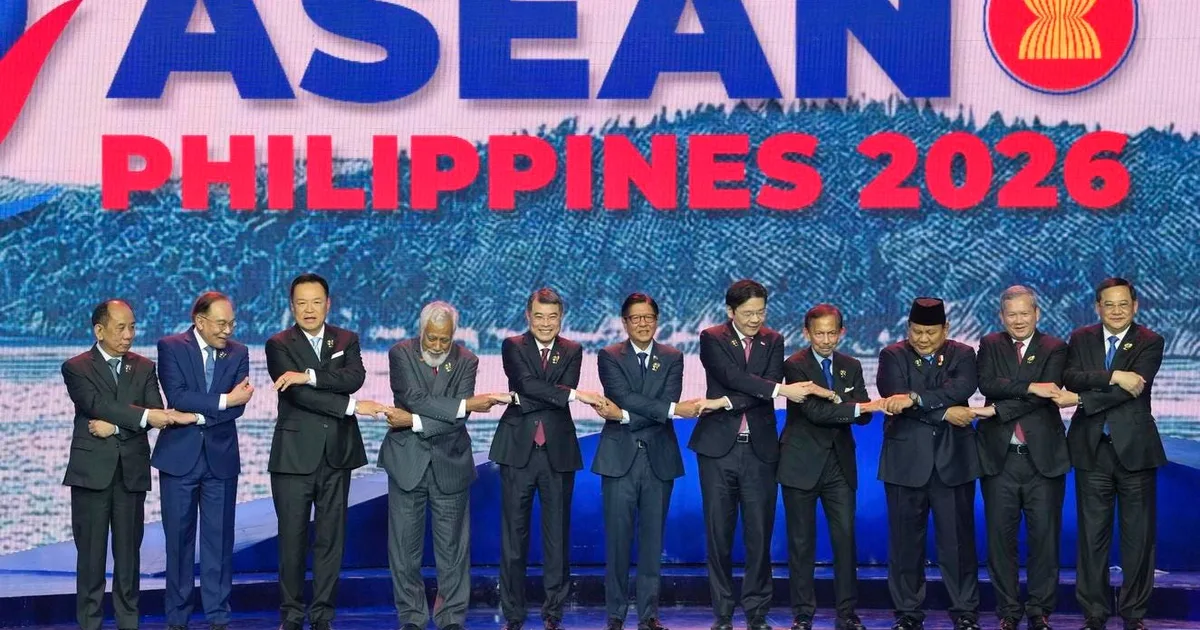
Southeast Asian nations are rapidly shifting towards renewable energy sources, not primarily for environmental reasons, but as a strategic response to the escalating energy crisis and volatile fossil fuel prices. Disruptions in the Strait of Hormuz have doubled LNG costs, forcing governments to seek energy independence through domestic infrastructure like solar and battery storage. This pivot is driven by economic necessity and a desire to avoid geopolitical coercion, with the Philippines seeing a surge in solar inquiries and renewable energy proving more cost-effective than new fossil fuel plants. AI
IMPACT Accelerates adoption of AI-powered grid management and predictive analytics for renewable energy integration.
RANK_REASON The cluster discusses a significant geopolitical and economic shift in energy policy across multiple nations in response to supply chain disruptions and price volatility. [lever_c_demoted from significant: ic=1 ai=0.4]
- Asian Development Bank
- Brenda Valerio
- Central Asia
- Energy Shift Institute
- International Renewable Energy Agency
- Japan
- LNG
- New Energy Nexus
- Philippine Country Director
- Philippines
- Putra Adhiguna
- Strait of Hormuz
AI-generated summary · Google Gemini · from 1 sources. How we write summaries →